
Consumer Advocates Ask FTC to Investigate Whether It's Too Difficult to Cancel Amazon Prime Memberships
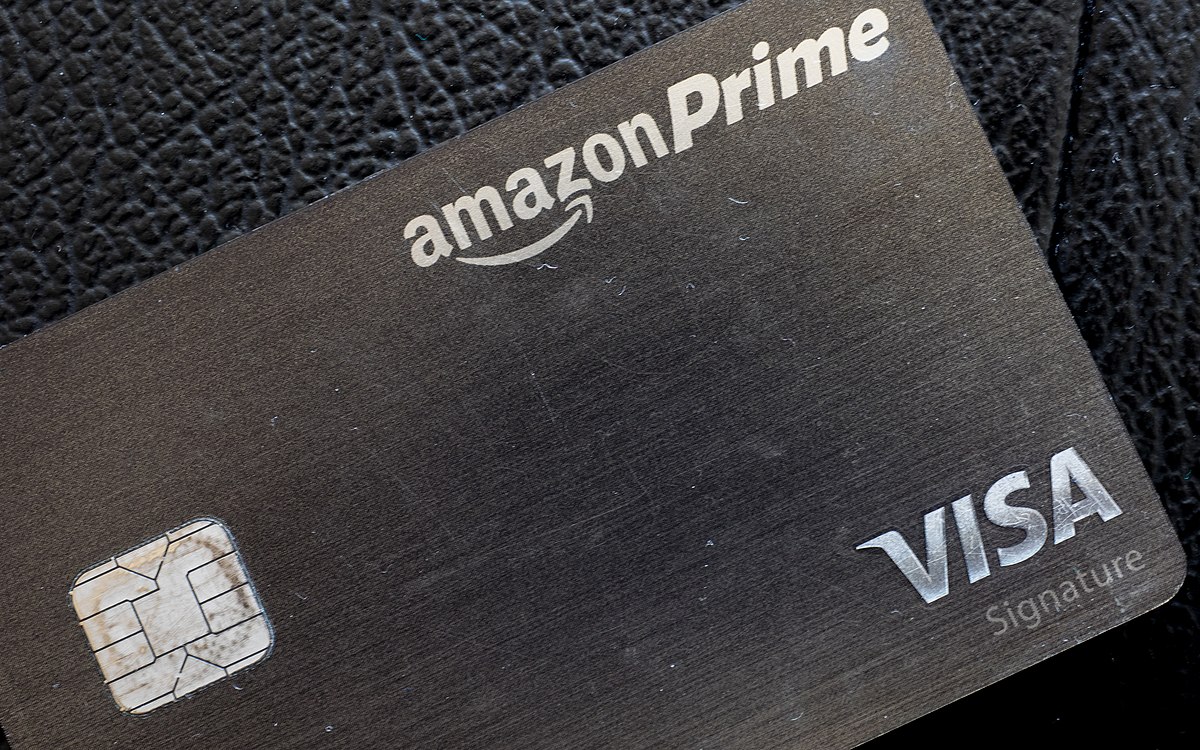
Consumer Advocates Ask FTC to Investigate Whether It's Too Difficult to Cancel Amazon Prime Memberships
Consumers advocates are asking the Federal Trade Commission, or FTC, to investigate whether Amazon makes it too difficult for Prime members to cancel their subscriptions.According to Bloomberg, the coalition—led by Public Citizen—penned a letter to the federal body late last week. In it, they suggested that Amazon has configured the Prime cancelation process in such a way as to “unfairly and deceptively undermine the will of the consumer.” They said the FTC should take notice, since the Amazon Prime’s arguably arduous cancelation process may violate other federal statutes.Public Citizen and its allies appear to have taken some inspiration from the European Union. As Bloomberg notes, Norway’s consumer protection agency has similarly asked its own government to look into Prime’s potential violations of domestic law and E.U. regulation.However, Amazon contends that the steps to canceling a Prime membership are “clear and easy.” Prime members can, for instance, stop their membership over the phone or through their account settings on Amazon.com.Consumers who have decided to forgo their Prime privileges are also given relatively generous terms: they can immediately end their Prime membership and receive a refund of the unused term, or they can carry through to the end of their billing cycle, at which point auto-renewal would cease.[caption id="attachment_25406" align="alignleft" width="300"] An Amazon warehouse. Photo by Scott Lewis, via Flickr. CC BY 2.0[/caption]“Customer trust is at the heart of all our products and services and we strongly disagree with any claim that our cancellation process creates uncertainty,” an Amazon spokesperson told Bloomberg in an email. “The information we provide in the online cancellation flow gives full view of the benefits and services members are canceling.”Indeed, the process for canceling Prime does not—on the surface—appear unusually convoluted, difficult, or deceitful.Prime members considering a cancelation can navigate to their account settings, select a ‘cancellation’ tab, and then scroll through several screens listing the benefits of continued use before finalizing their decision.But Forbrukerrådet, Norway’s state-sponsored consumer protection agency, has said Amazon intentionally in-built “dark patterns,” or manipulative contours, into the cancelation process. In fact, Forbrukerrådet claims that Amazon makes Prime members scroll through multiple pages to foster doubt—and even adds hyperlinked buttons that would keep consumers enrolled in the program.Although many companies—including credit card services, cable companies, and telecommunications providers—make it even more difficult for consumers to cancel subscriptions, Public Citizen says the changing nature of commerce means ever-more Americans are being saddled with monthly charges.“With an increasing number of online platforms reaching high levels of popularity among consumers, and a variety of free trial subscriptions lowering the cost of entry, consumers are signing up for ever-more services and the prospect of keeping track of every service becomes complicated,” the groups’ letter states. “In short, it is easy to sign up for services, but cancelling subscriptions can be challenging by design.”
Sources
Amazon Makes It Too Hard to Cancel Prime, Groups Tell FTCConsumer Groups Ask FTC to Investigate Amazon Prime's Headache-Inducing Cancellation Process
About Ryan J. Farrick
Ryan Farrick is a freelance writer and small business advertising consultant based out of mid-Michigan. Passionate about international politics and world affairs, he’s an avid traveler with a keen interest in the connections between South Asia and the United States. Ryan studied neuroscience and has spent the last several years working as an operations manager in transportation logistics.