
5 Reasons Parametric Design is Changing Architecture

5 Reasons Parametric Design is Changing Architecture
Imagine entering a world where the lines defining architecture are continually being drawn, where structures curve and twist like living things, and where skylines look like passages from a sci-fi book. In the field of parametric design, conventional architectural norms are not merely bent; they are entirely rethought. In this context, mathematics serves as the architects' canvas and algorithms as their paintbrush. Each curve, angle, and structural element is the outcome of a meticulously composed symphony of design and data. One algorithm at a time, let's discover the five essential ways parametric design is transforming the architectural sector as we delve into this fascinating area.1. Enhanced Design FlexibilityBecause of its immense design flexibility, parametric design has the potential to revolutionize architecture. This method enables architects to experiment with a wide range of design variables controlled by algorithms. Imagine being able to adjust dimensions, forms, and spatial connections with a few clicks. This is more than just making visually appealing structures; it is about pushing the limits of what is possible in architecture. Architects can use parametric design to investigate a wide range of design options that were previously unimaginable or too hard to handle manually. It enables the design of more adaptable, responsive, and personalized structures that really meet the changing needs of customers and communities. This amount of flexibility and experimentation is transforming the way architects approach design, resulting in creative ideas, effective renovations and spectacular architectural achievements.2. Efficient Response to Design ChangesThe dynamic nature of parametric design is a major asset in the ever-evolving world of architecture. When clients propose changes, which is a common occurrence in architectural projects, parametric design comes to the rescue. Instead of delving back into the depths of traditional design processes, architects can simply adjust certain parameters in their model. These changes then cascade through the entire design, updating every related element automatically. This means that revisions can be made quickly and accurately, saving a tremendous amount of time and reducing the potential for human error. Additionally, this approach allows for more iterative design processes, where architects can continuously refine and evolve their designs based on feedback, new data, or changing requirements. The efficiency and adaptability provided by parametric design not only streamline the design process but also enhance the quality and precision of the final architectural product.3. Integration of Complex Geometries with 3D Tools
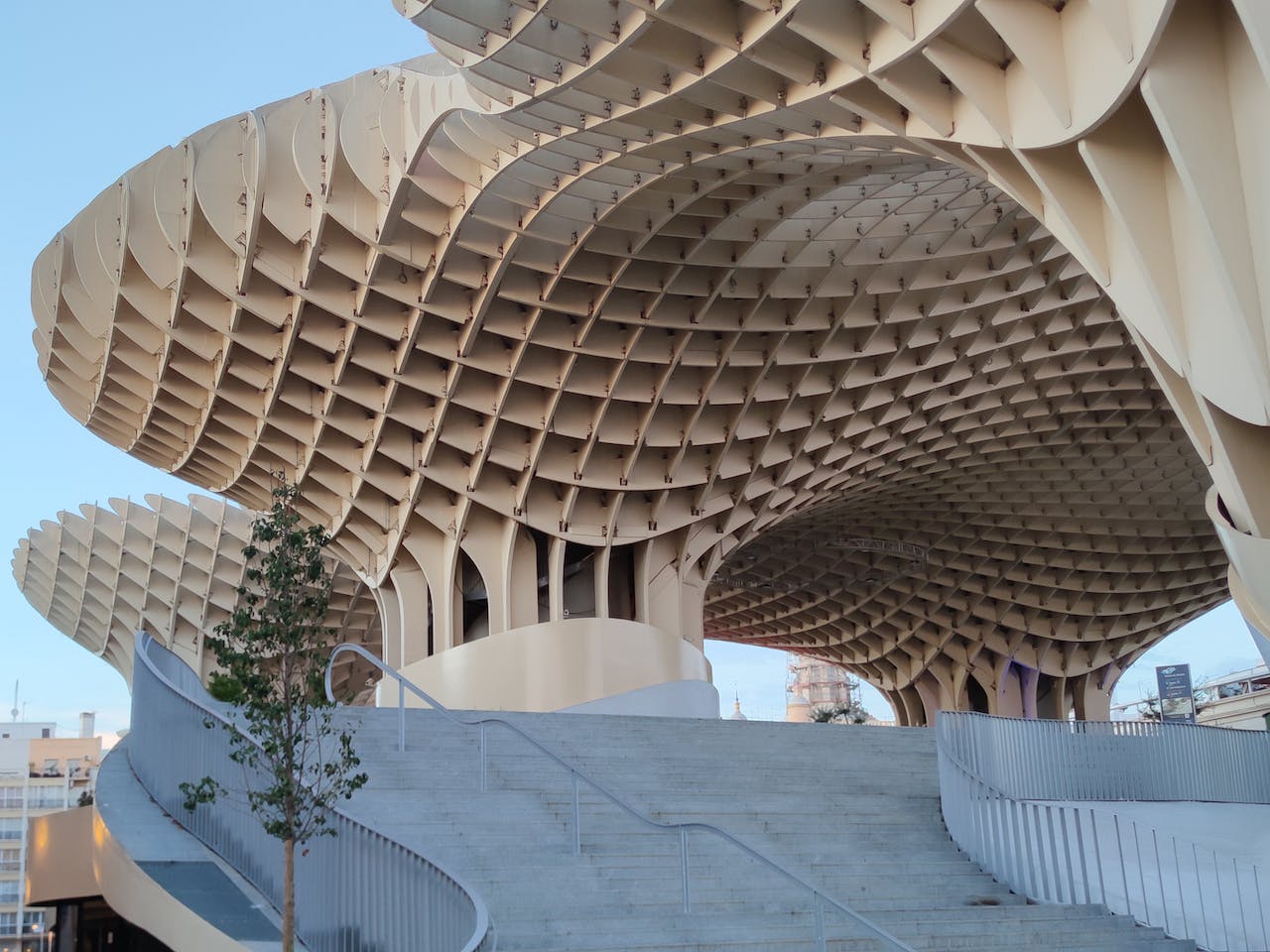 Steps Leading to Setas de Sevilla in Seville, Spain; image by Antonio Garcia Prats, via Pexels.com.

About Sophia Smith
Sophia Smith is beauty and style blogger, an eco-lifestyle lover, graphic designer and a content creator. Design plays a huge role in her personal expression. Sophia writes mostly about lifestyle-related topics in her blogs and articles. She has contributed to a number of publications including: Cause Artist, Optimistic Millennial, Soar Collective, How to Simplify, and Carousel. You can find out more about her writing by following her on: Facebook, Twitter, and Google +.