5 Ways the Formal Dress Code is Changing in the Post-Pandemic World
5 Ways the Formal Dress Code is Changing in the Post-Pandemic World
There are those who swear by the old adage to “dress for success” and genuinely appreciate wearing power suits to important meetings, and those who cherish their freedom to work from home in their PJs. This spectrum might have always been there, but during the pandemic, with more companies turning to remote work, the style tide has shifted to casual wear and less formal work dress codes. In large and competitive business markets the likes of Australia and the US, employees and business leaders alike are rapidly turning to different types of attire in the wake of the health crisis. Suddenly, the drop in high-heel sales and the increase in athleisure sales have indicated a trend that has been a long time coming in the professional world. So, what’s going to happen when employees start going back to the office, if they choose to, and how will the workplace adapt? Let’s cover some of the most essential trends and employee preferences that are changing the office dress code. Performance-focused dress code choicesEmployers are always looking for ways to help their employees feel less stressed and more productive in their work environment, be that at home, or at the office. If your job doesn’t strictly depend on wearing a particular garment, for safety as well as productivity, then most managers in the modern workplace are slowly reshaping their dress code policies to accommodate the employee.As the pandemic has shown us that we can be productive and efficient while working in leggings, hoodies, and with no shoes on, the workplace dress code is becoming more focused on performance rather than pure, outdated aesthetics. If you work better wearing comfortable jeans, your boss is likely going to support that decision moving forward. Discovering the style equilibrium As so many brands have started working remotely during the pandemic, their dress code suddenly changed from being formal to completely casual. In cultures where fashion is already based on comfort, such as Australia, professionals have found different ways to mix and match what’s aesthetically appealing with their own take on comfort.With heatwaves and sizzling summers to deal with, most of the latest women’s workwear in Australia is designed to reflect every professional’s need for more comfort, with a stylish edge to boot. Women in leadership roles in Australia gladly go for more comfortable, but no less fashionable combinations such as jeans and cotton shirts, light tunics and blouses, or wrap dresses. Striking that fine balance is what Australian women are famous for, and the global professional fashion scene is quickly catching up. Comfort and durability in the spotlightOver the course of the last several years, some of the biggest global brands, such as Home Depot from the US or IKEA from Sweden are rapidly changing their policies to adopt more sustainable practices and go green. This culture shift has also had an impact on the microscale in the behavior of employees who are encouraged to contribute in many ways – attire included. Modern businesses today appreciate more than style. They appreciate individuals who pick garments made of sustainable materials and in an ethical manner. In a similar way, they recognize their employees’ need for more comfort in the workplace, allowing them to choose garments that enhance that comfort. Corporate expectations are changing. Employees are no longer expected to wear a different suit every day (which used to be an unspoken rule for so many) – values are what’s in the spotlight, and employees are taking note and gladly choosing more sensible attire. Considering the culture and the profession
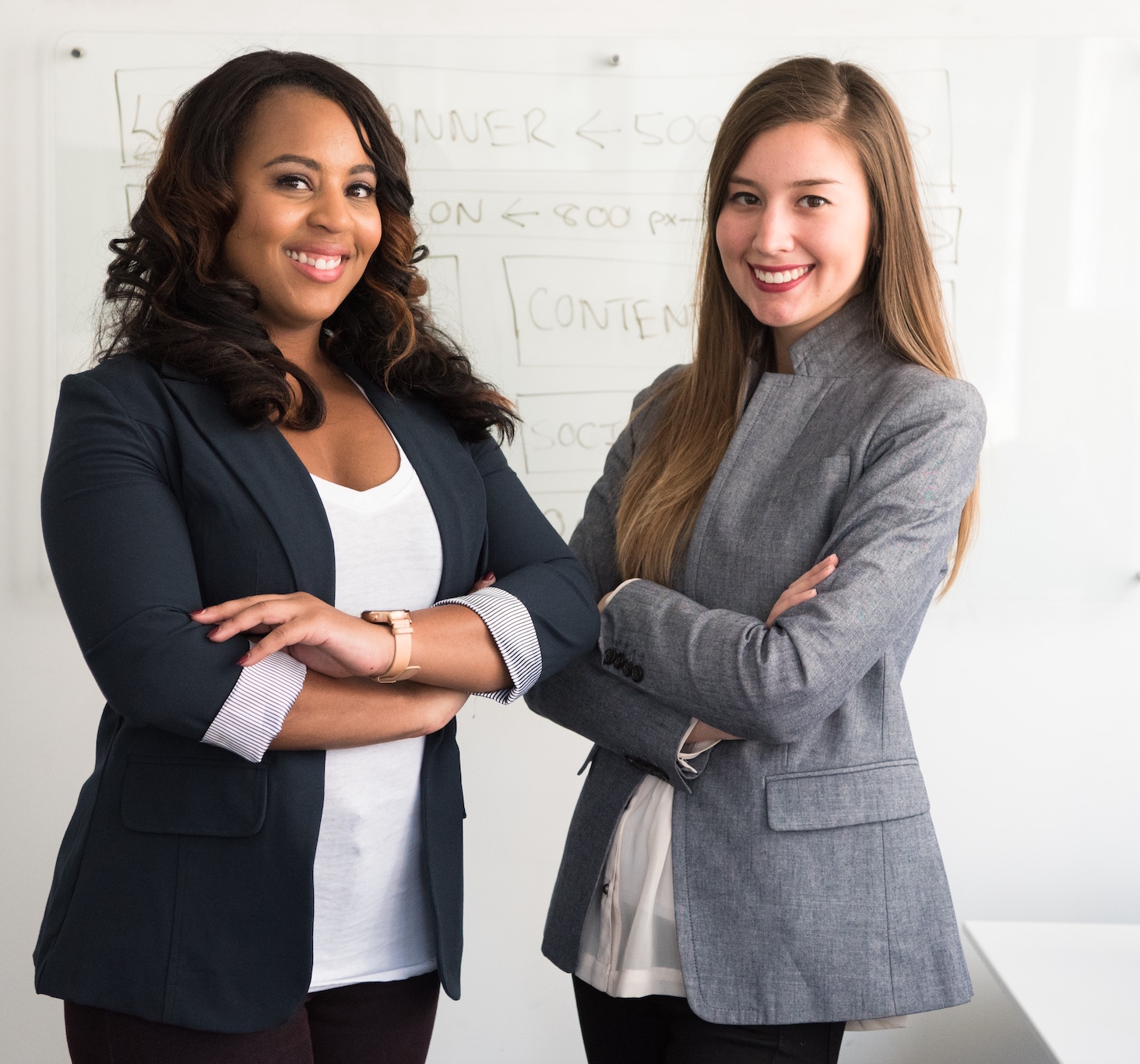 Image by Christina @wocintechchat.com, via Unsplash.com.

About Sophia Smith
Sophia Smith is beauty and style blogger, an eco-lifestyle lover, graphic designer and a content creator. Design plays a huge role in her personal expression. Sophia writes mostly about lifestyle-related topics in her blogs and articles. She has contributed to a number of publications including: Cause Artist, Optimistic Millennial, Soar Collective, How to Simplify, and Carousel. You can find out more about her writing by following her on: Facebook, Twitter, and Google +.