Advancements in Forensics Improve Time of Death Estimates
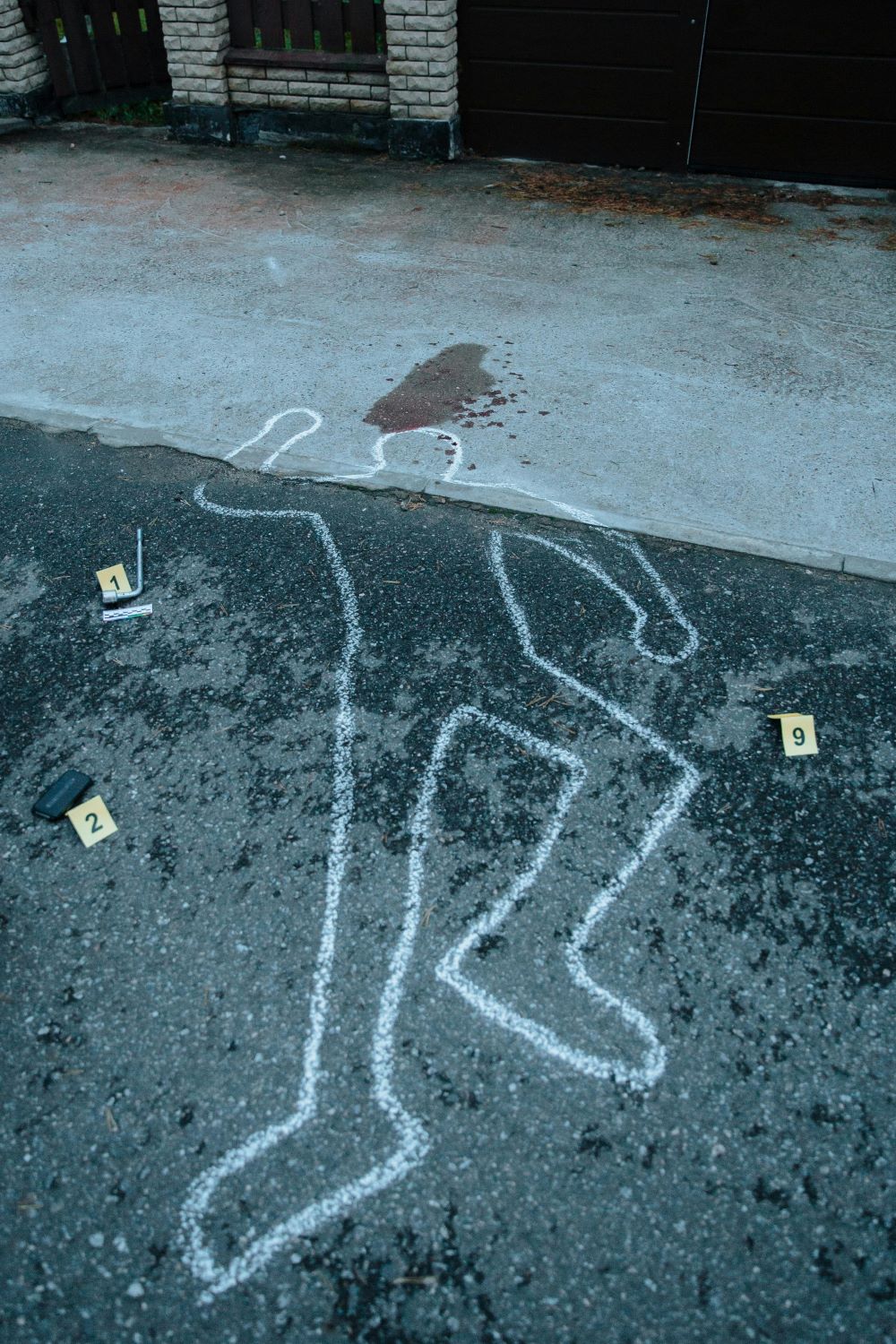
Advancements in Forensics Improve Time of Death Estimates
One of the key responsibilities of a coroner responding to the death of an individual is to determine when that individual actually died. This isn’t always necessary – when the death takes place in a hospital, for example, the time is known – but it can be critically important in some cases. For example, when a death is mysterious and foul play may be suspected, knowing when the death occurred can make or break the case. Unfortunately, this is a tricky task with a ton of variables involved. Thanks to new research from Arizona State University, and advancements made in the world of forensics, however, it may soon be easier to accurately identify the time of death and get better results out of this process.Improving the accuracy of time of death estimates may come down to the use of a set of microbes that can be found in the breakdown of the body in question. There are around 20 microbes that have been identified that seem to break down at the same rate regardless of circumstances. This is incredibly useful information, as it serves to level the playing field and take a significant variable out of play. Regardless of the climate where the body has been discovered, and regardless of the season of the year, the microbes can reliably be used to trace back the process of decomposition to figure out how much time has passed.
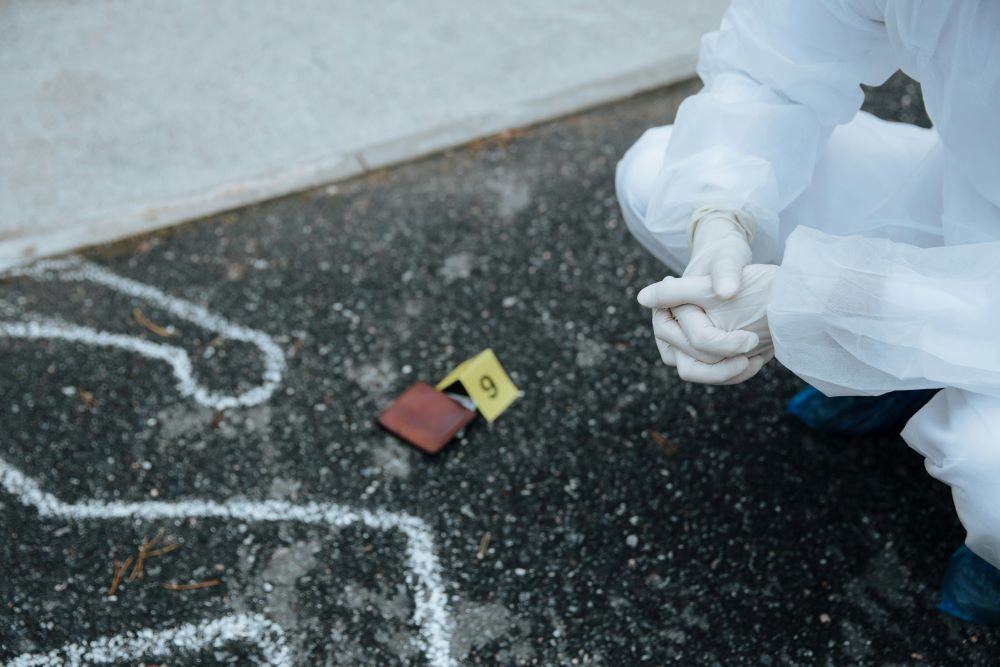 Photo by cottonbro studio from Pexels
Sources:
Advances in Forensic Science Improve Accuracy of ‘Time of Death’ EstimatesMethods of Estimation of Time Since Death'Microbiome of Death' Uncovered on Decomposing Corpses Could Aid Forensics
About Sara E. Teller
Sara is a credited freelance writer, editor, contributor, and essayist, as well as a novelist and poet with nearly twenty years of experience. A seasoned publishing professional, she's worked for newspapers, magazines and book publishers in content digitization, editorial, acquisitions and intellectual property. Sara has been an invited speaker at a Careers in Publishing & Authorship event at Michigan State University and a Reading and Writing Instructor at Sylvan Learning Center. She has an MBA degree with a concentration in Marketing and an MA in Clinical Mental Health Counseling, graduating with a 4.2/4.0 GPA. She is also a member of Chi Sigma Iota and a 2020 recipient of the Donald D. Davis scholarship recognizing social responsibility. Sara is certified in children's book writing, HTML coding and social media marketing. Her fifth book, PTSD: Healing from the Inside Out, was released in September 2019 and is available on Amazon. You can find her others books there, too, including Narcissistic Abuse: A Survival Guide, released in December 2017.