
Categories | News & Politics
Article
Animal Welfare Groups Applaud Rule on Animal Welfare Standards for Organic Egg, Pork, and Dairy Producers While Lamenting An Inordinate Delay on Full Implementation of Key Provisions
February 21st, 2024
•
News & Politics
•
5 minute read
Animal Welfare Groups Applaud Rule on Animal Welfare Standards for Organic Egg, Pork, and Dairy Producers While Lamenting An Inordinate Delay on Full Implementation of Key Provisions
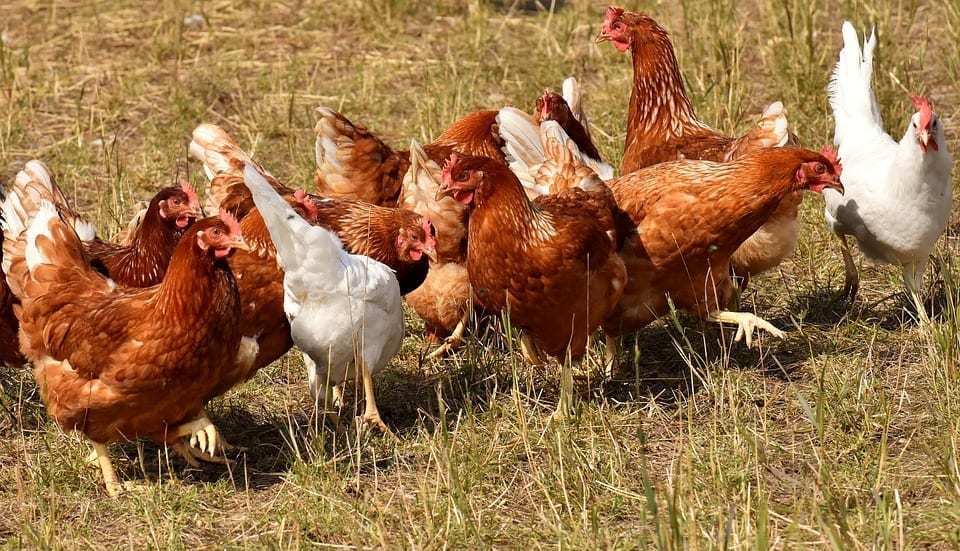
Washington, D.C. —Animal Wellness Action and the Center for a Humane Economy applauded the USDA for releasing its final Organic Livestock and Poultry Standards rule—a regulatory regimen that for the first time in federal law establishes specific legal standards to assure some level of animal care and welfare for animals used in production agriculture.The farm animal welfare standards will apply to animals raised under an “organic standards” regimen, assuring consumers that the animals raised on organic farms are not immobilized in cages or crates, subjected to routine mutilations, denied access to pasture for meaningful periods of their lives, or otherwise treated in ways inimical to their well-being."American consumers have long assumed that animal products labeled as ‘organic’ come from animals with access to pasture and not raised in an intensive and inhumane manner,” said Wayne Pacelle, president of Animal Wellness Action and the Center. “This rule finally attaches a wide set of tangible requirements for space and other animal-care standards to give consumers far more confidence in the integrity and value of the organic label. These are the first farm animal welfare rules under federal law, and that is an historic circumstance.”The rule had become a political football over the past two decades as it went through 14 years of drafting and review, finalized in the waning days of the Obama administration only to be summarily scrapped by the incoming Trump team. Today’s final rulemaking, a little more than halfway through the current Biden White House, means that the standards being implemented will be difficult for a future administration to unwind in an arbitrary and highly politicized way, as occurred in prior years with multiple administrations.The rule will create better clarity, greater consistency, and heightened welfare requirements in our country’s organic standards for farmed animals while also providing value-added benefits to producers, enhancing consumer appreciation of their investments in humane farming practices, and building consumer confidence in the integrity and meaning of the “organic” label.The new rule covers a wide array of housing, husbandry, slaughter, and management topics, including the prohibition of certain painful practices, such as tail-docking of pigs and cattle and debeaking of birds.Also under the new rule, poultry producers who want to market their products as organic will have to provide more space to birds, allowing them to fully stretch their wings when indoors, as well as mandating outdoor access, natural lighting availability, and more protective air monitoring requirements. Organic livestock, including pigs, must now have year-round outdoor access and be able to move and stretch their limbs at all times—in sharp contrast to industrial-style production of pigs, especially the breeding sows kept in two-foot-by-seven-foot gestation crates. The rule also contains additional standards for pigs relating to their ability to root and live in group housing.
 Photo by Daniel Tuttle on Unsplash.

About Press Release
This post is an authorized copy of a press release and was not written by LegalReader.