Antibiotic Resistance is Harmful to Newborns with Sepsis

Antibiotic Resistance is Harmful to Newborns with Sepsis
According to a new study published in PLOS Medicine, hospitals are struggling to combat the growing ineffectiveness of antibiotics that are used in the treatment of sepsis infections among newborns, leading to a tragic loss of lives. A formidable team of researchers hailing from four different continents dedicated themselves to unraveling the complex antibiotic resistance issue in newborn sepsis across 19 hospitals. This collaborative effort aimed to gather excellent data and develop novel treatment approaches for this critical condition.Dr. Neal Russell, from the Center for Infection and Immunity Research at St. George's, University of London, a co-author of the study, expressed gratitude for the massive undertaking involving researchers and clinicians from Africa, Asia, Latin America, and Europe.“The observational study has been instrumental in providing the high-quality data that we need to design trials of appropriate treatments for sepsis in newborn babies. It has been a huge collaborative effort by researchers and clinicians in Africa, Asia, Latin America and Europe,” he said.Between 2018 and 2020, this groundbreaking study was conducted in 11 countries including Uganda, Thailand, Vietnam, Bangladesh, Brazil, Kenya, South Africa, India, Italy, China, and Greece. Within its scope, the study encompassed 3,200 newborns afflicted with sepsis. Shockingly, the research revealed a substantial disparity in mortality rates across hospitals, ranging from approximately 2% to a staggering 27%.
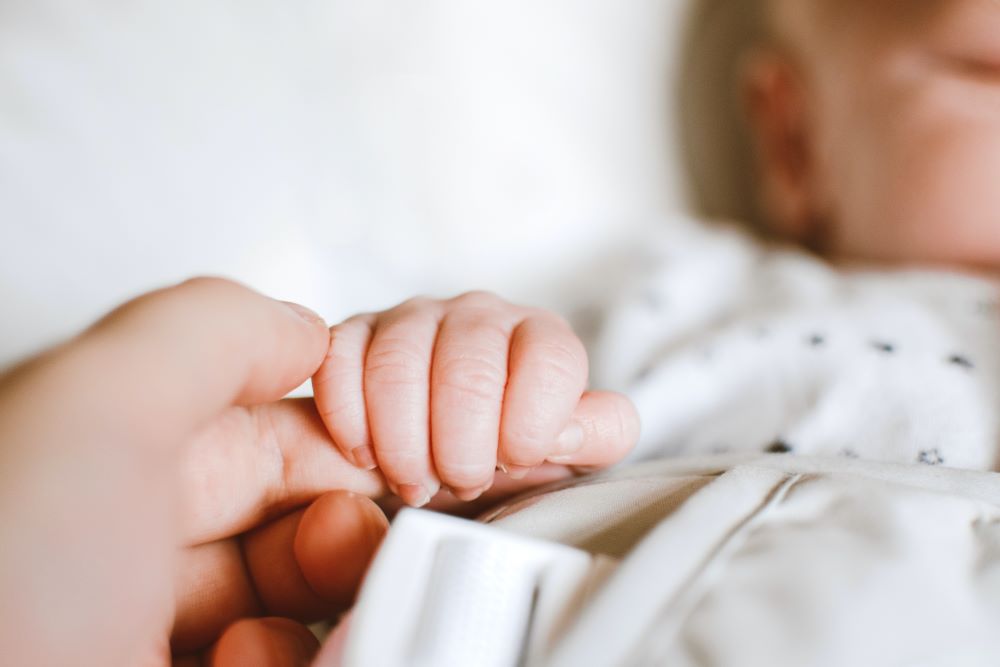 Photo by Lisa Fotios from Pexels
Sources:
Antibiotics Losing Power Against Bloodstream Infections That Kill NewbornsPatterns of antibiotic use, pathogens, and prediction of mortality in hospitalized neonates and young infants with sepsis: A global neonatal sepsis observational cohort study (NeoOBS)
About Sara E. Teller
Sara is a credited freelance writer, editor, contributor, and essayist, as well as a novelist and poet with nearly twenty years of experience. A seasoned publishing professional, she's worked for newspapers, magazines and book publishers in content digitization, editorial, acquisitions and intellectual property. Sara has been an invited speaker at a Careers in Publishing & Authorship event at Michigan State University and a Reading and Writing Instructor at Sylvan Learning Center. She has an MBA degree with a concentration in Marketing and an MA in Clinical Mental Health Counseling, graduating with a 4.2/4.0 GPA. She is also a member of Chi Sigma Iota and a 2020 recipient of the Donald D. Davis scholarship recognizing social responsibility. Sara is certified in children's book writing, HTML coding and social media marketing. Her fifth book, PTSD: Healing from the Inside Out, was released in September 2019 and is available on Amazon. You can find her others books there, too, including Narcissistic Abuse: A Survival Guide, released in December 2017.