Antidepressant Use During Pregnancy Doesn't Impact Developing Children
Antidepressant Use During Pregnancy Doesn't Impact Developing Children
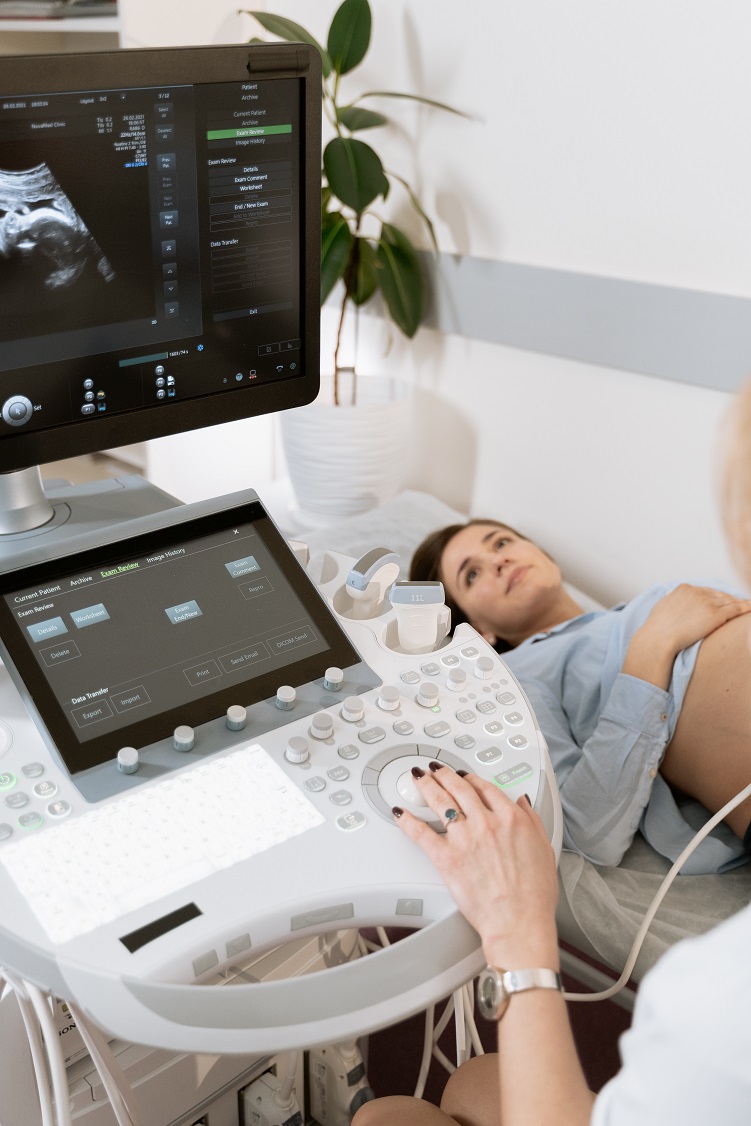
A huge relief has fallen off the shoulders of pregnant women who use medication to treat depression during pregnancy. A study of 145,702 expecting mothers taking antidepressants to manage their symptoms showed that it doesn't impact their developing offspring. The medication use was ultimately not linked to autism, attention deficit hyperactivity disorder (ADHD), learning and developmental disorders, intellectual disabilities, or behavioral disorders. This study covered the exposure to antidepressant medication from 19 weeks gestation until delivery. 3, 032,745 pregnancies not exposed to antidepressant medication were used as a control group. The study was able to utilize data from public and privately insured pregnant women and their children. Children were observed from birth until diagnosis or end of study at the maximum age of 14. The results were consistent across the board from different medications to gestational periods; it heavily suggests that antidepressant use doesn’t increase the risk of neurodevelopmental disorders in children.
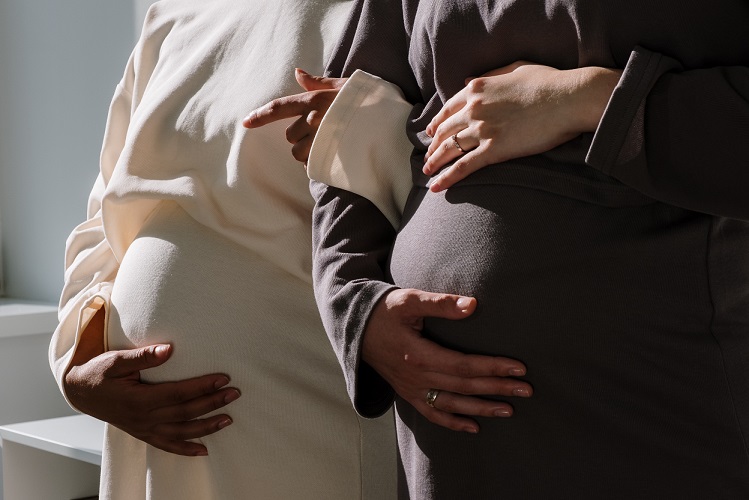 Photo by cottonbro from Pexels
Sources:
Study Shows No Link Between Antidepressants During Pregnancy and Later Risk of Neurodevelopmental Disorders in ChildrenAssociation of Antidepressant Use during Pregnancy With Risk of Neurodevelopmental Disorders in ChildrenMaternal Use of Specific Antidepressant Medications During Early Pregnancy and the Risk of Selected Birth Defects Depression in pregnant women and mothers: How it affects you and your childDepression During Pregnancy
About Sara E. Teller
Sara is a credited freelance writer, editor, contributor, and essayist, as well as a novelist and poet with nearly twenty years of experience. A seasoned publishing professional, she's worked for newspapers, magazines and book publishers in content digitization, editorial, acquisitions and intellectual property. Sara has been an invited speaker at a Careers in Publishing & Authorship event at Michigan State University and a Reading and Writing Instructor at Sylvan Learning Center. She has an MBA degree with a concentration in Marketing and an MA in Clinical Mental Health Counseling, graduating with a 4.2/4.0 GPA. She is also a member of Chi Sigma Iota and a 2020 recipient of the Donald D. Davis scholarship recognizing social responsibility. Sara is certified in children's book writing, HTML coding and social media marketing. Her fifth book, PTSD: Healing from the Inside Out, was released in September 2019 and is available on Amazon. You can find her others books there, too, including Narcissistic Abuse: A Survival Guide, released in December 2017.