
As Kinless Seniors Age, Problems Arise
As Kinless Seniors Age, Problems Arise
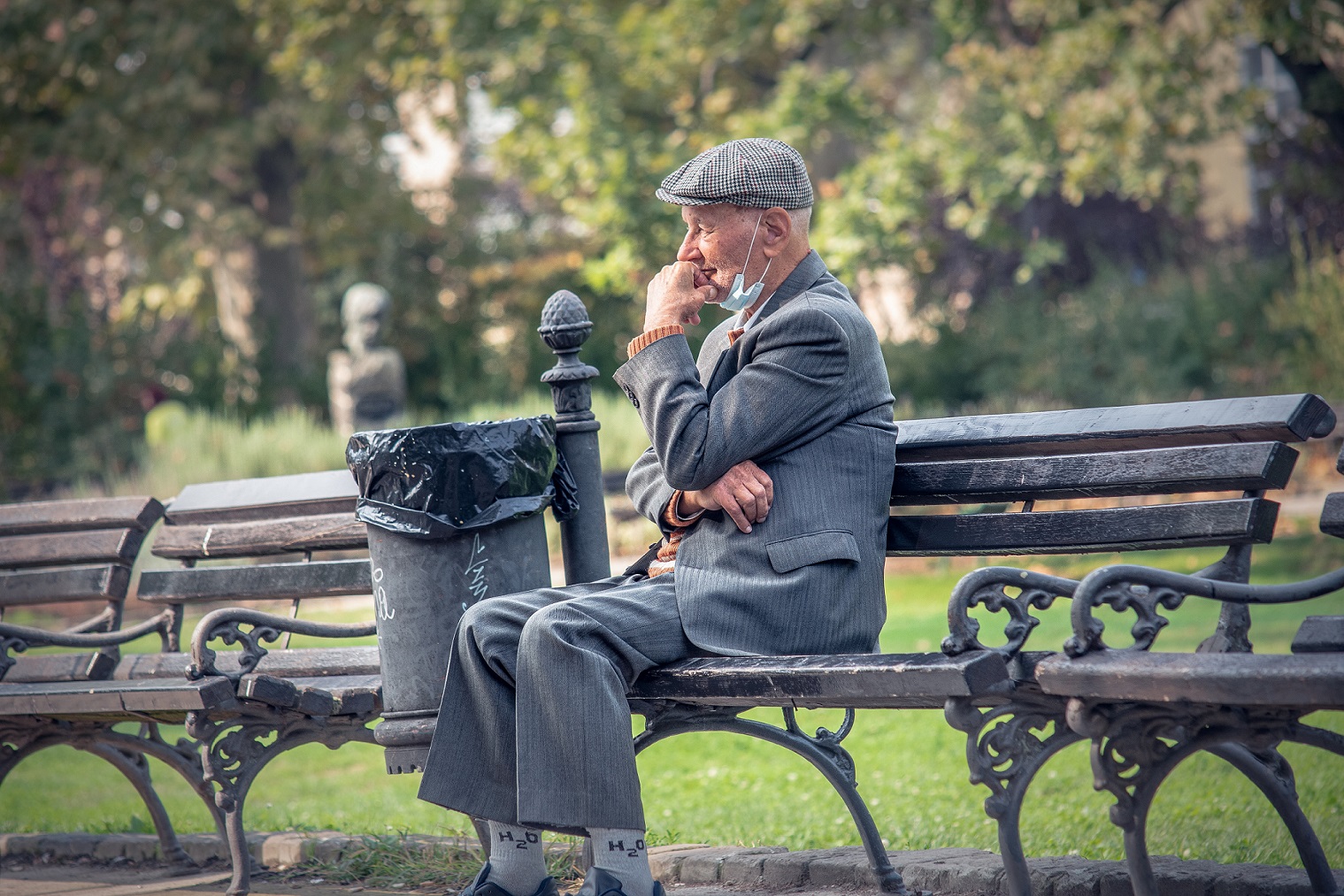
During the holiday season, we gather with family and friends to celebrate the return of longer days during the darkest night, the birth of a baby, a miracle, or simply the relief of having made it through another year. For those without families or close friends, however, it can be a time of cold and loneliness. And for kinless seniors, aging alone is more than lonely. It eventually becomes impossible.Used to be, large families were the ideal, if not the norm. Birth control was, at least officially, limited to thoughts and prayers, but all those hands were needed at the farm. When it came time for the older generations to lay down their tools, there were enough younger people, maybe even an unmarried daughter or two, to care for Mom or Pop in their golden years. That worked for a while, but as life became more urban, more women pursued roles other than wife and mother, and children more expensive and less obligatory for most people, smaller families became the norm. A growing number of people don't expect to have children at all.Primatologist Jane Goodall is right about population overshoot (at American levels of resource consumption and waste) being the root cause of a great many problems. The trend toward smaller families is, ecologically speaking, a good thing. While Elon Musk's tweeted rebuttal (that Goodall's philosophy is “the death of humanity”) is off base, he comes close to acknowledging the natural result of kinless seniors growing old with fewer young people to care for them.Therein lies the problem.According to the National Institutes of Health, “kinless seniors” are defined as adults aged 55 or over, who lack a spouse/partner and biological children. Between 1998-2010, there were 6.6 million American adults in this categories, while a smaller number, about 1-3%, also lacked siblings. It may not sound like many, but that's about a million kinless seniors as of 2019. Because caregiving duties naturally fall first to one's spouse and adult children, kinless seniors face major challenges finding support as they age, especially later in life. As Dr. Rachel Margolis, a University of Western Ontario sociologist told the New York Times, “Friends and neighbors may help with meals or pick up a prescription, but they’re not going to help you in the shower.” They're not going to help get you on and off the toilet, either.Considering the growing crisis, and the fact that the United States doesn't take especially good care of its elders to begin with, who will step in to make sure kinless seniors, and those with estranged or geographically distant families, receive the care that everyone needs as their ability to live independently inevitably slips away, and it's no longer safe to live alone?Waiting for a market-based solution isn't ideal, since people who couldn't afford kids probably can't afford a paid, full time care staff. State funding for elder care is often a target for budget cuts, especially as inequality grows and resources decline, weakening the widespread prosperity that is needed for a reliable tax base. If push comes to shove and hard decisions have to be made, would we take care of children or elders first? (Or cut taxes for the wealthy, hoping for a trickle-down that never puddles?)There are a few hopeful ideas, especially for those on the younger side of elderhood.
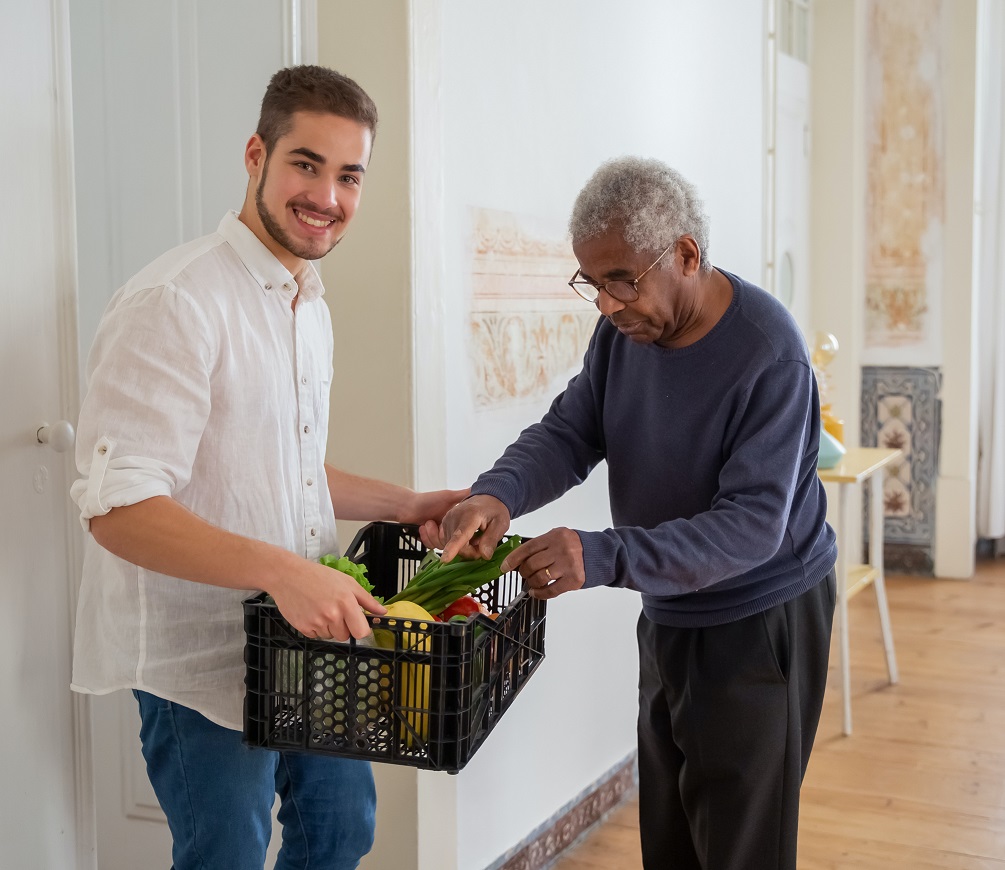 Photo by Kampus Production, courtesy of Pexels.com.
Sources:
Growing share of childless adults in U.S. don’t expect to ever have children
Elon Musk Says Ape Expert Jane Goodall's Take On Human Population 'Is The Death Of Humanity'
Older Adults Without Close Kin in the United States
Who Will Care for ‘Kinless’ Seniors?
Over four million elderly will have no children to look after them in 20 years
Starving Seniors: How America Fails To Feed Its Aging
The Largest Co-Living Building in the World Is Coming to San Jose
Family embeddedness and older adult mortality in the United States
I'm a Vancouver student who moved in with an 86-year-old to save on rent
Want to fight climate change? Have fewer children

About Dawn Allen
Dawn Allen is a freelance writer and editor who is passionate about sustainability, political economy, gardening, traditional craftwork, and simple living. She and her husband are currently renovating a rural homestead in southeastern Michigan.