
Asbestos Still a Public Health Problem According to CDC
Asbestos Still a Public Health Problem According to CDC
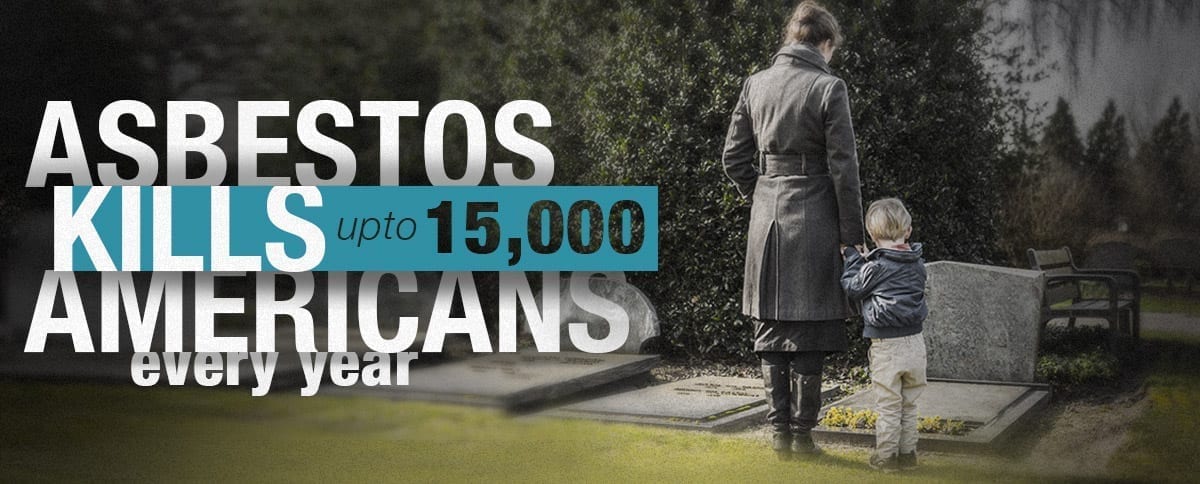
When you say the words “asbestos” and “mesothelioma,” the first thing to comes to many people’s minds is often “isn’t that problem about over?” Sadly, according to the Centers for Disease Control and Prevention (CDC), asbestos is still a big public health problem. In fact, mesothelioma and asbestosis, along with other asbestos-related conditions, are still killing thousands of Americans each year.The CDC report showed 45,221 mesothelioma deaths between 1999 and 2015, even with heavy regulation of the material by various federal agencies. The Occupational Safety and Health Administration (OSHA) began regulating asbestos exposure limits in 1971. The Environmental Protection Agency (EPA) became involved, developing standards for the construction industry. These standards covered issues such as proper handling of asbestos-containing materials, and inspecting, renovating, and demolishing buildings containing these materials. The materials include paint, shingles, vinyl tiles, roofing and insulation.Throughout the 1970s, the EPA issued several bans on asbestos-containing materials. The agency was joined in 1977 by the Consumer Product Safety Commission (CPSC), which issued a ban on “asbestos in artificial fireplace embers and wall patching compounds.” The EPA issued a ban under Section 6 of the Toxic Substances Control Act (TSCA) of “most asbestos-containing products” in 1989. One would have thought that was the beginning of the end of the problem. One would be wrong.According to the regulatory history of asbestos bans published by the EPA, “…in 1991, this rule was vacated and remanded by the Fifth Circuit Court of Appeals. As a result, most of the original ban on the manufacture, importation, processing, or distribution in commerce for the majority of the asbestos-containing products originally covered in the 1989 final rule was overturned.”
 20,000 asbestos fibers clumped together take up less space than 5-6 human hairs. Image courtesy of www.asbestosdiseaseawareness.org.
“Today, the populations most heavily exposed to asbestos are those in construction trades.
In the past, pipe fitters, shipyard workers, military workers, automobile mechanics, and people in many other occupations were also exposed.
In the past, household contacts of asbestos workers were exposed to asbestos dust carried home on workers' skin and clothing.
People in homes and buildings with loose, crumbling, or disturbed asbestos materials can be exposed to asbestos.
During renovations or asbestos abatement, asbestos materials should be encapsulated or removed by trained and certified asbestos contractors.
Asbestos embedded in intact solid materials poses little risk of exposure as long as it remains intact and undisturbed.
Natural outcroppings of asbestos can lead to human exposure in a number of ways.
Natural and technological disasters can lead to asbestos exposure.”
Sources:
Asbestos Deaths Remain A Public Health Concern, CDC Finds
Asbestos Toxicity: Who Is at Risk of Exposure to Asbestos?
U.S. Federal Bans on Asbestos

About Jay W. Belle Isle
Before becoming LegalReader's Editor-in-Chief, Jay W. Belle Isle worked as a freelance copywriter with clients on four continents. Jay has a degree in Business Administration from Cleary University and a Juris Doctor from Thomas M. Cooley Law School. Jay has also worked as a contracts administrator for a DOD contractor specializing in vehicle armor.