At-home Vagus Nerve Stimulation can Help Ease PPD
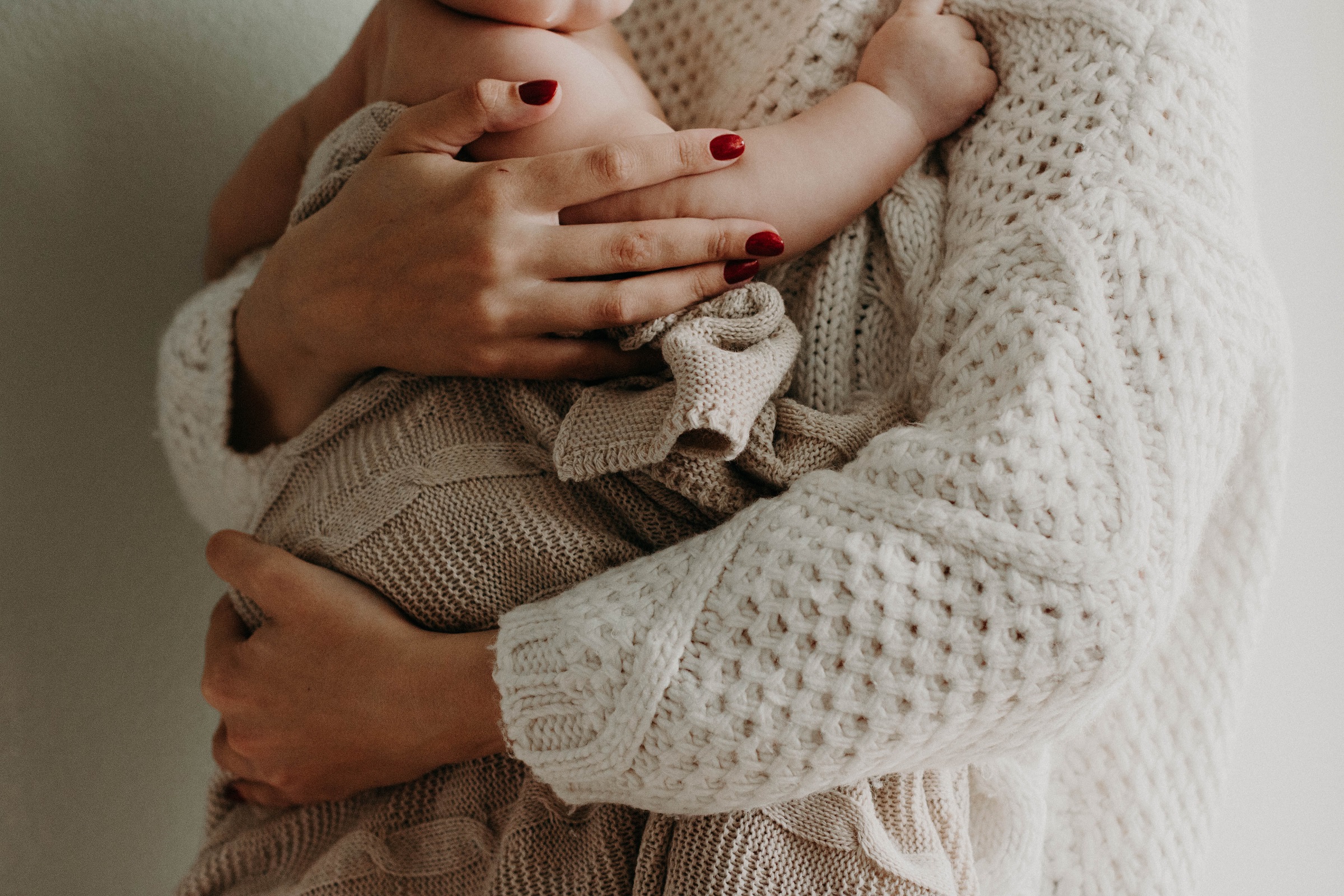
At-home Vagus Nerve Stimulation can Help Ease PPD
Over the past several years, scientists and those in the mental health field have been researching the effects of vagus nerve stimulation on mood disorders such as anxiety and depression. Now, according to new research presented at the virtual American Society of Clinical Psychopharmacology (ASCP) 2022 Annual Meetings, at-home auricular vagus nerve stimulation (aVNS) therapy can lead to a clinically significant reduction in postpartum depression (PPD) and anxiety disorder symptoms. PPD can be especially debilitating, presenting with insomnia and lethargy, a loss of appetite, extreme anger and irritability, and difficulty bonding with the newborn, among other distressing symptoms. It also carries with it the secondary effect of the baby being unable to develop a healthy maternal attachment.In the small pilot study involving 25 women with postpartum depression, participants were administered six weeks of daily aVNS treatment. The team found “74% achieved response and 61% achieved remission, as shown in reduced scores on the Hamilton Rating Scale for Depression (HAM-D17).” This means that women may not need to undergo hormone therapy or be put on drug therapy. It is also promising because the intervention offers the same positive results as traditional invasive electrical stimulation of the vagus nerve, which was originally approved by the U.S. Food and Drug Administration (FDA) in 2005 for treatment-resistant depression.
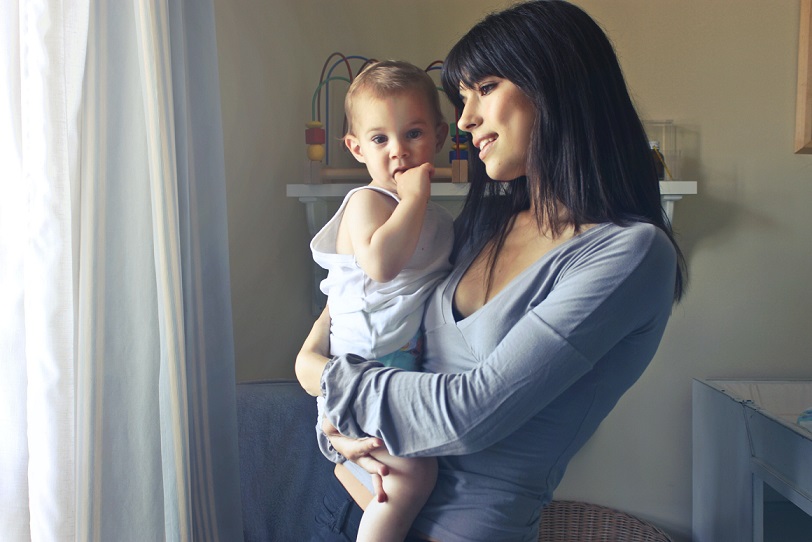 Photo by Andrea Piacquadio from Pexels
Sources:
At-Home Vagus Nerve Stimulation Promising for Postpartum DepressionYou Can Treat Your Postpartum Depression and Still Breastfeed
About Sara E. Teller
Sara is a credited freelance writer, editor, contributor, and essayist, as well as a novelist and poet with nearly twenty years of experience. A seasoned publishing professional, she's worked for newspapers, magazines and book publishers in content digitization, editorial, acquisitions and intellectual property. Sara has been an invited speaker at a Careers in Publishing & Authorship event at Michigan State University and a Reading and Writing Instructor at Sylvan Learning Center. She has an MBA degree with a concentration in Marketing and an MA in Clinical Mental Health Counseling, graduating with a 4.2/4.0 GPA. She is also a member of Chi Sigma Iota and a 2020 recipient of the Donald D. Davis scholarship recognizing social responsibility. Sara is certified in children's book writing, HTML coding and social media marketing. Her fifth book, PTSD: Healing from the Inside Out, was released in September 2019 and is available on Amazon. You can find her others books there, too, including Narcissistic Abuse: A Survival Guide, released in December 2017.