
Becoming a Hunter in Michigan (Legally)
Becoming a Hunter in Michigan (Legally)
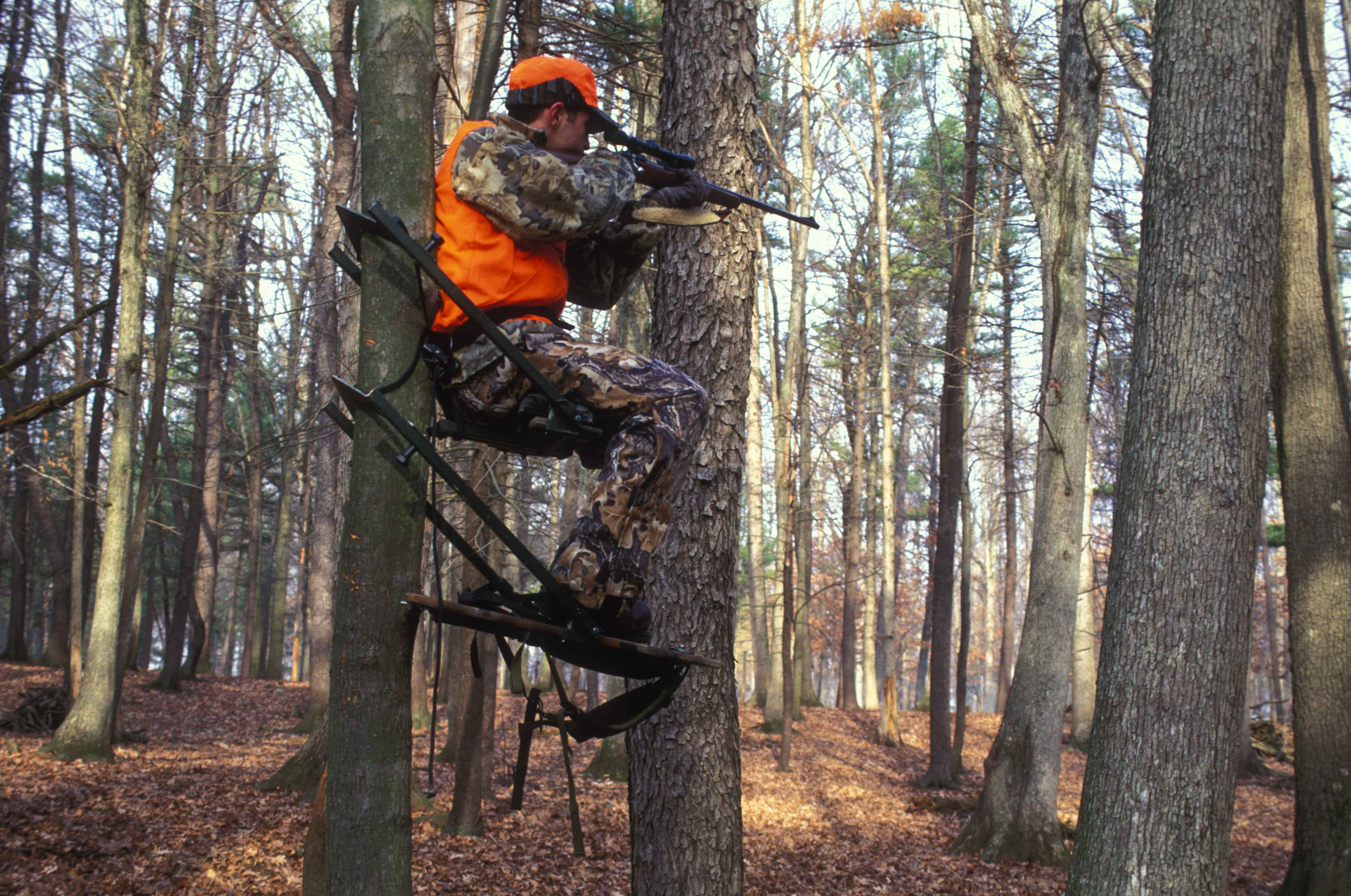
Some people come from hunting culture, bagging their first buck as a teenager with their uncle in Da Yoop. Some people have hunting thrust upon them, all unexpected, after a woodchuck eats their squash plants early some June morning. They're a gardener, not a hunter, but they have to do something about those varmints, and one can't legally live-trap and release them miles away at some farm in the country. Not only is it illegal in Michigan, but the farmer doesn't want your nuisance woodchuck tearing up their land and eating their crops any more than you do. Some would simply shoot the 'chuck, but legally, that makes you a poacher. So what can you do to save your garden and stay on the right side of the law?The first option may well be a landscaping adjustment. Putting up a three-foot-plus garden fence (with another foot buried, to stymie such a professional tunneller) could be an option. However, plenty of pests, like woodchucks, opossums and raccoons, can climb a fence just fine. (They also climb fruit trees.) Electrifying the fence might work better, but that's an infrastructure investment that a beginner or casual gardener may not be ready for yet.Repellents are another option, but some work better than others. Most also need to be reapplied after every rain (and presumably every heavy dew).
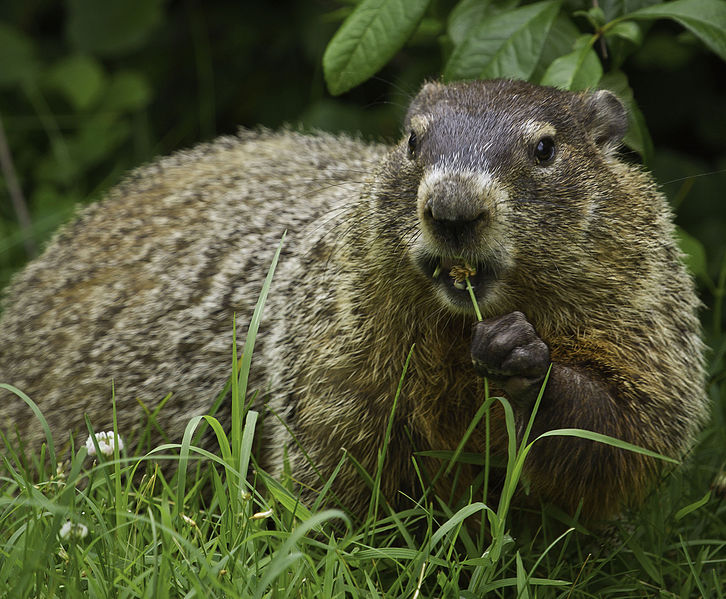 A woodchuck. Public domain photo by Shenandoah National Park, via Flickr. CC0
Fish and wildlife are public property. The government holds them in trust for the benefit of all people. (This sounds an awful lot like the pop definition of socialism.)
Wildlife cannot be slaughtered for commercial use. This policy eliminates trafficking in dead game animals. (This is anti-Capitalist and anti- “free market,” isn't it?)
Wildlife is allocated by law. Regulations determine how wildlife resources are managed, including hunting seasons and bag limits. (If it were any other commodity, pro-capitalists would call this a Soviet-style “planned economy”.)
The reasons for killing wildlife must be valid. Wildlife shall be taken by legal and ethical means, in the spirit of "fair chase," and with good cause. Animals can be killed only for legitimate purposes—for food and fur, in self-defense, or for protection of property. (When Sarah Palin and her ilk shoot wolves from helicopters, however much they say it is to ease pressure on elk and moose populations that people need to eat in rural Alaska, it hardly seems this sporting.)
Wildlife is an international resource. As such, hunting and fishing shall be managed cooperatively across state and province boundaries. (International cooperation has been called some dirty names by people frightened of the implications of a one-world government.)
Science plays a key role in managing wildlife. Wildlife populations are sustained and scientifically managed by professionals in government agencies. (Plenty of people have stopped listening to science in recent years, especially if they don't like research results.)
Hunting, fishing, and trapping shall be democratic. Every citizen in good standing—regardless of wealth, social standing, or land ownership—is allowed to participate in the harvest of fish and wildlife within legal limits. (In other words, even the working class and the very poor should be able to take advantage of this public resource to sustain themselves. Hunting isn't reserved for the aristocracy anymore. Equality for all.)
Sources:
Nuisance Wildlife
Woodchuck (Groundhog) Repellents That Work
Official Michigan Hunter Safety Course Online
Hunter Safety Certificate
Fishing and hunting license Information
Hunters And Anglers Make A Difference
The North American Model of Wildlife Conservation
Palin and the Wolves: Inside Alaska's Aerial Hunt
7 Ways to Feed Your Garden For Free (Complete Film)
Participatory ecology: Greens must embrace hunting
Purchase a Hunting License (by state)
Ethical Meat, Not Trophies, Could Inspire New Hunters
A Groundhog Stew
About Dawn Allen
Dawn Allen is a freelance writer and editor who is passionate about sustainability, political economy, gardening, traditional craftwork, and simple living. She and her husband are currently renovating a rural homestead in southeastern Michigan.