The Best Ways to Protect Your Head, Neck, and Back During a Car Accident
The Best Ways to Protect Your Head, Neck, and Back During a Car Accident
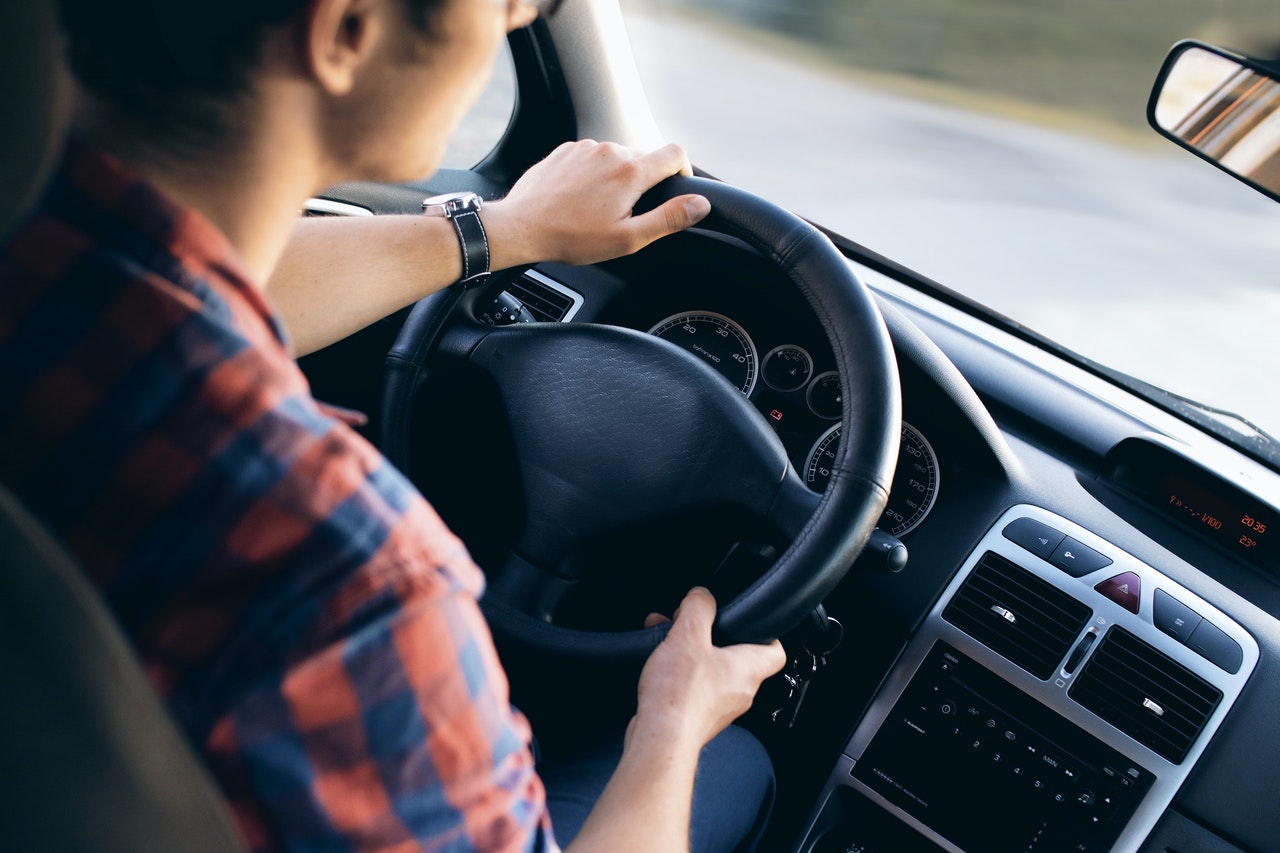
While being injured in a car accident is something most drivers want to avoid, unfortunately, it isn’t always preventable. As mentioned by the accident lawyers at DuBois Law Group, defensive driving, following the rules of the road, and driving without distraction can all greatly decrease your chances of experiencing an accident. Nevertheless, there are no guarantees on the road. In 2019 alone, there were almost 7 million crashes with almost 2 million resulting in injury. So, if you do find yourself in an accident, there are parts of the body that you want to protect above all else which typically include your head, neck, and back. Here, we want to discuss methods on how to protect these vital parts of the body before, during, and after a car accident.Utilize Your Headrest While most drivers and passengers may think that their headrest is primarily used as a source of comfort, in reality, it is for passenger safety and is properly known as a head restraint. The ultimate goal of the head restraint is to hold an individual’s head in place during a rear-end collision to hopefully prevent or lessen neck injuries. Therefore, if a vehicle's head restraints are either not being used or installed improperly, it is unsafe for an individual to be in that seat in the event of a rear-end crash. For maximum effect, the head restraint should always be level (or close as possible) to the top of the driver or passenger’s head. Adjust Your Seat Correctly Adjustable seats are installed in almost all cars to allow for different-sized riders to fit and drive both comfortably and safely. Nevertheless, just because your seat can be adjusted, that doesn’t mean it should be to anything outside of the safest position for the given rider. The safest position is one that allows the person to be sitting almost completely upright; not too far forward or too far back. Too far forward creates less space between a person’s head and the dashboard/airbag, and too far back can create a ramping effect in a rear-end accident. Buckle UpAlthough it should go without saying, wearing a seat belt while you’re on the road can not only protect your head, neck, and back, but also save your life. As described by the NHSTA, “Of the 23,824 passenger vehicle occupants killed in 2020, 51% were not wearing seat belts — a 4% increase from 2019,” which demonstrates their life-saving value in any motor vehicle accident. While seat belts are there primarily to prevent riders from being ejected from the vehicle, when worn, they can protect the head, neck, and back from a number of potential injuries as well. The CDC reported that seat belts reduce the risk of death by 45%. If you wear your seat belt improperly, or not at all, and are ejected from your vehicle, 3 out of 4 passengers suffer fatally. Brace for Impact
 Teddy bear wearing a seatbelt, hand held by a child; image courtesy of Lex Machina.
Push your head back against the headrest.
Look straight ahead.
Don’t lean forward in your seat.
Square your back against your seat.
Push back on your steering wheel so your head and back positioning is secure.
Tense your muscles so they can resist, rather than absorb, the impact of the crash.
Drive at a safe distance behind other vehicles (the three-second rule).
Minimize distractions (no phone, curate your music before the drive, set up Apple CarPlay).
Do not assume other drivers will make the right choice.
Scan your surroundings as you drive.
Safety first.
About Jackson Sawa
Jackson Sawa is a legal content writer who works for Haque Legal, PLC in Michigan. A graduate of California State University, Chico, his writings focus on health, personal injury, family law, and other legal matters. He can be reached through his LinkedIn or at Jackson@1Point21Interactive.com.