
Biometric Data Usage in Law Enforcement: Legal and Ethical Considerations
Biometric Data Usage in Law Enforcement: Legal and Ethical Considerations
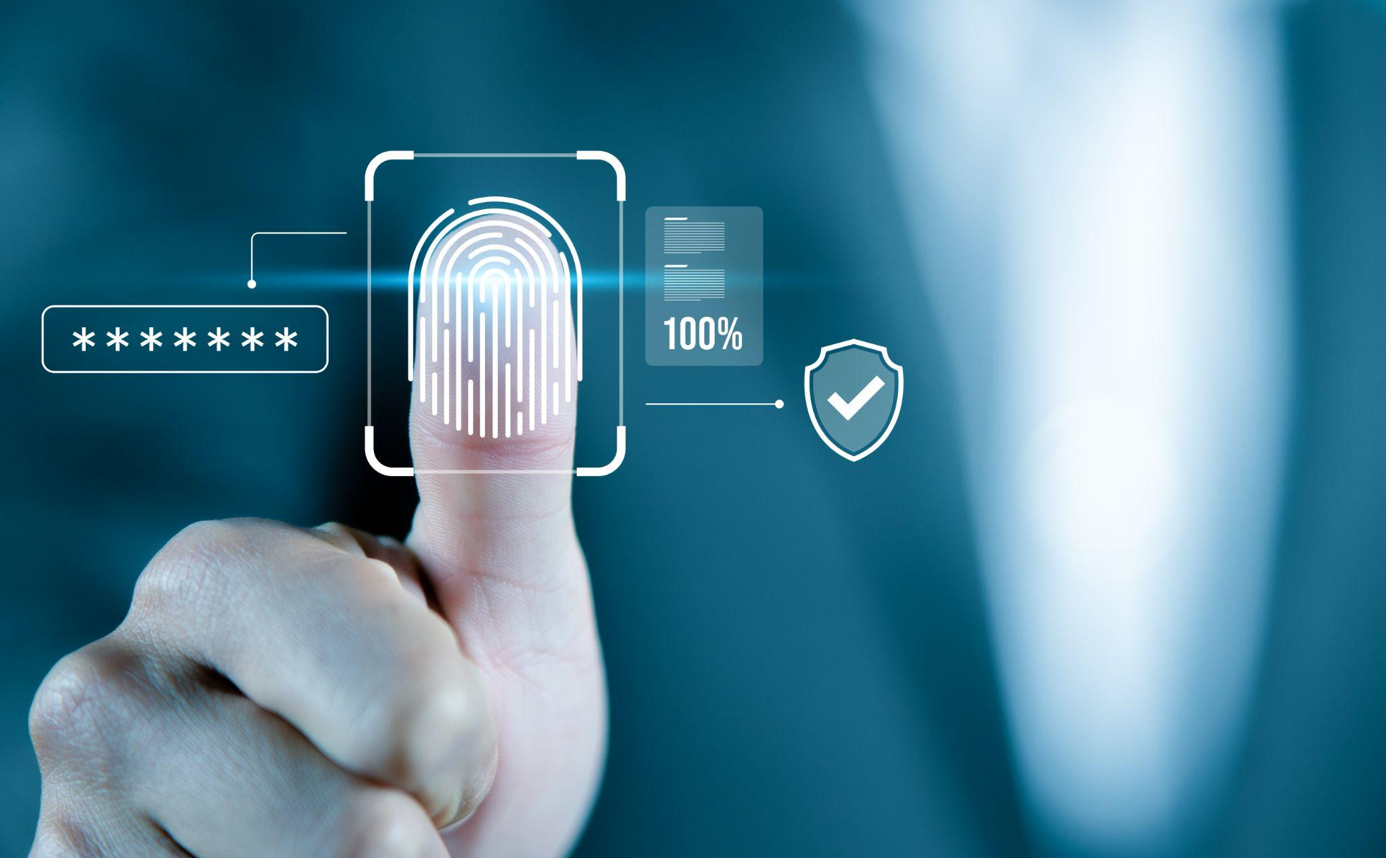
In a world ruled by technology, biometric authentication — using unique biological data to verify a person’s identity --- is an everyday occurrence. Most people own multiple devices that collect and analyze their biometric information. For example, smartphones use biometric features like facial identification scanning, fingerprints, and multi-factor authentication to grant access. Despite the conveniences of biometric data, this issue is fraught with fear and controversy, especially regarding its use by law enforcement.Biometric Data in Law EnforcementBiometric data involves using technologies to identify people in various scenarios, particularly in criminal justice. It has long been a law enforcement tool as far back as the Civil Rights movement when political figures such as Malcolm X and Martin Luther King, Jr. were under surveillance by the FBI. Modern technologies such as retinal scans, fingerprints, hormone mapping, voice mapping, DNA analysis, and facial recognition may allow law enforcement to emphasize higher security rates and combat terrorism. Unfortunately, there are ethical concerns about the accuracy of biometric data and its potential misuse. For example, facial recognition technology affects personal privacy and can endanger minorities for whom this technology appears negatively biased. In addition, employee credentials and biometric data can easily be stolen and then used to access networks illegally. As such, the public sector must address these concerns by implementing different digital security measures, such as firewalls, multi-factor authentication, and cloud protections, to protect biometric data. The government and law enforcement agencies can address both of these concerns by using digital compliance and security measures to protect employees' and consumers’ information from identity theft.Legal ConsiderationsLaw enforcement agencies are groups dedicated to ensuring that laws are followed and that anyone who breaks those laws is brought to justice. That justice can only occur if the accused criminal’s identity is known and evidence of their crime exists. Sometimes, criminals try to avoid the law by changing their names, identities, and physical appearances. Biometric data makes that line of criminality much more challenging to accomplish today.Law enforcement uses biometric data for the following purposes:
Investigate crime, especially with forensics at crime scenes
Surveillance, security, and intelligence gathering
Identification of known terrorists, criminals, or suspects
Technical: If biometric data is lost, stolen, or hacked, not only can that stolen identity lead to various forms of theft, but it is lost forever and is impossible to replace;
Risk of misuse: Selling consumer data is a lucrative business, and an individual’s biometric data can be misused and stolen for commercial gain;
Human rights violations: Law enforcement members use biometrics for identification; however, unethical biases toward race, gender, and creed, amongst other personal identifiers, may influence an officer’s use of this data.
 Photo by cottonbro from Pexels
Private sector data collection and use
Comprehensive state privacy laws
Limits on the collection and use of personal and biometric data
Ban discriminatory uses of data
Require fairness and accountability with algorithms
Prevent unfair marketing practices
Limit government access to personal and biometric data
Provide a private right of action
About Amanda Winstead
Amanda Winstead is a writer from the Portland area with a background in communications and a passion for telling stories and public advocacy. Along with writing she enjoys traveling, reading, working out, and going to concerts. If you want to follow her writing journey, or even just say hi you can find her on Twitter.