
Birds Are Declining, Trump Aims to Help
Birds Are Declining, Trump Aims to Help
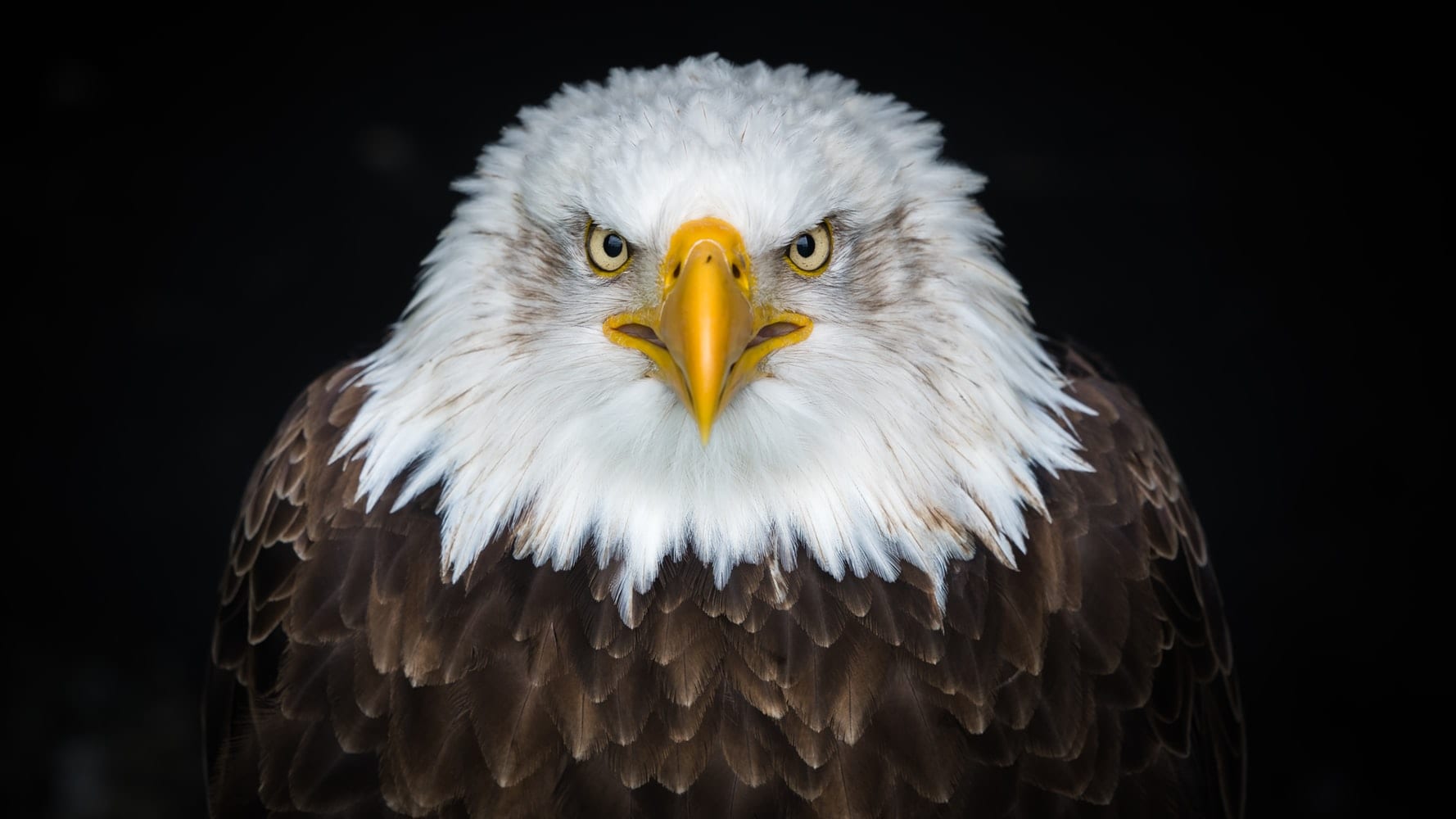
Last autumn, Science Magazine published a study concerning the North American bird population. Birds are declining across the continent, having lost 29% of their numbers since 1970. Researchers in the United States and Canada reported significant losses not only to rare or endangered species, but also to common and widespread types of birds (including ones considered invasive).Reasons for the slump include all of the usual suspects. Collapsing insect populations mean that many birds are less able to find food or feed their young. Birds are declining due to loss of habitat as well, with grasslands turned into monoculture farmland, wetlands being drained for development, forests turned into consumer goods, and nesting areas paved over. We also poison birds, directly or indirectly as a result of efforts to exterminate insects and rodents. Industrial culture kills birds as a matter of course, whether as victims of oil spills, because they land in oil pits that look like ponds from above, get clubbed by wind turbines or fried by solar power installations. Cats, window collisions, hunting and poaching, electrical wires, and climate change round out the most common causes of death.Even by 1970, the benchmark year for the study, bird populations weren't what they once had been. In the 1800s, passenger pigeons famously filled the skies with their migration. Flocks numbered in the millions. Indigenous people hunted them easily by throwing rocks or sticks in the air. Settlers didn't even aim their shotguns, since random blasting could bring down several at once. In 1850, Simon Pokagon, a Potawatomi tribal leader, reported hearing the pigeons approach the Manistee River in northern Michigan, sounding like distant thunder or the trampling of horses, until the front of the flock appeared over the horizon. By 1914, the last passenger pigeon was dead, the species hunted to extinction by people who believed that the natural bounty would never end. It's only creeping normality that makes current bird populations seem natural instead of shockingly sparse.Even though some species, such as birds of prey, have rebounded since DDT was banned, it's clear that the natural world is in a crisis, and birds are declining as a result of human activity. Because birds are such a useful “canary” in the coal mine, it behooves us to consider our effects not only on avian species, but on our impact to ecosystems generally. It seems clear that we need to take better care of our surroundings, even if it means making some tough choices about what we need and what we really don't.Naturally, it's the perfect moment for President Trump to step up and do what he does best, which is almost always the opposite of whatever should actually happen. Apparently, birds aren't dying fast enough on their own, so he has a policy lined up to help them out the door.
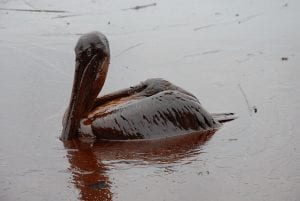 A pelican covered with spilled oil following the Deepwater Horizon explosion in 2010. Photo by Louisiana GOHSEP, via Flickr. CC BY-SA 2.0
Sources:
A controversial Trump legal opinion weakened a law to protect birds. Now it might be made permanent.
U.S. industries are no longer liable for accidental bird deaths. At what cost?
Decline of the North American avifauna
The uncomfortable silence of 2.9-billion missing birds
As the Birds Vanish
HOMEFRONT: Birds like whip-poor-wills vanish as insects, habitat decline
There’s nuance behind the recent bird decline study
Why the Passenger Pigeon Went Extinct
Migratory Bird Treaty Act

About Dawn Allen
Dawn Allen is a freelance writer and editor who is passionate about sustainability, political economy, gardening, traditional craftwork, and simple living. She and her husband are currently renovating a rural homestead in southeastern Michigan.