
Bleeding Kansas, Gosar, and What's Next
Bleeding Kansas, Gosar, and What's Next
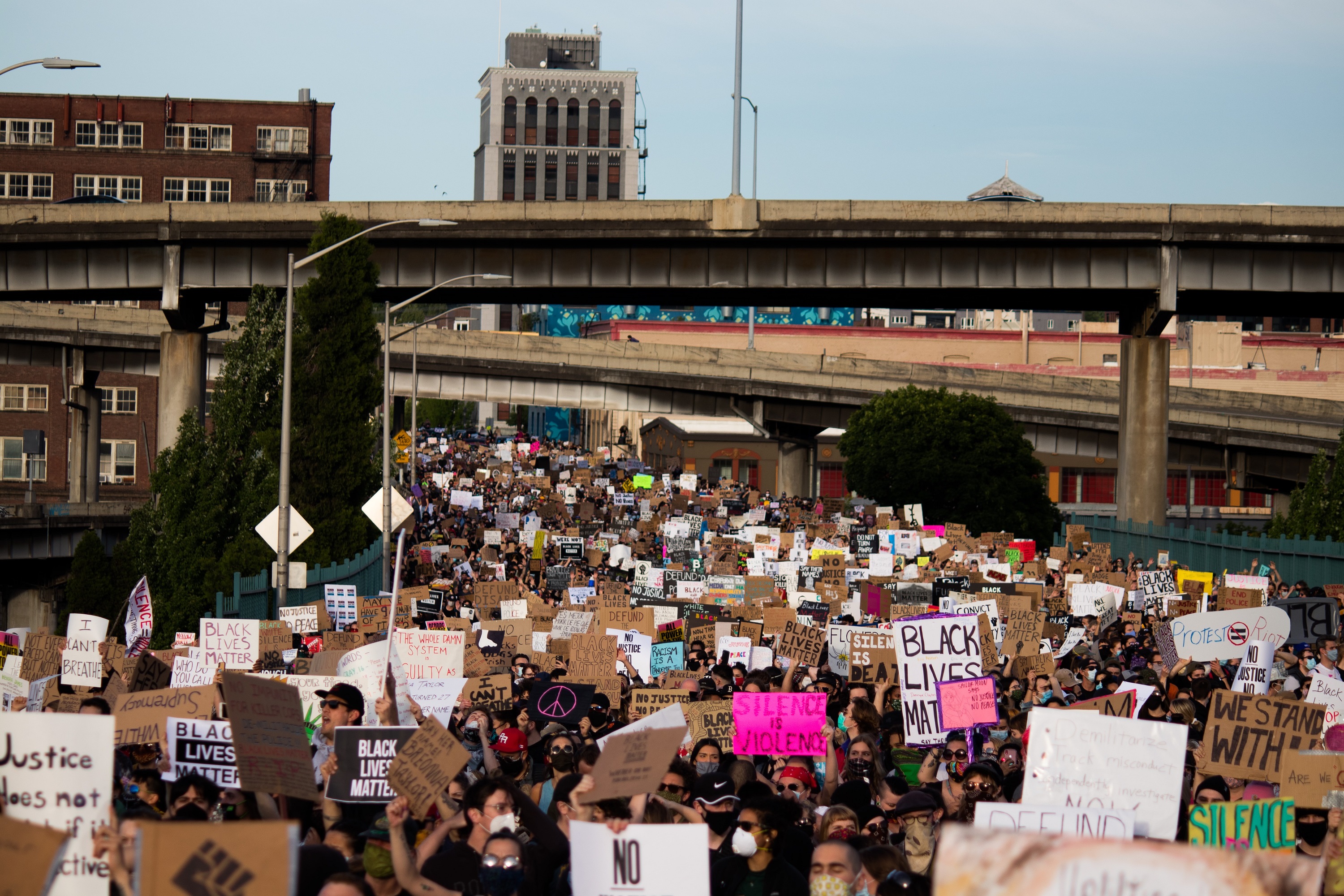
America's first Civil War didn't spring fully formed from the forehead of Robert E. Lee. From Bleeding Kansas to the caning of Charles Sumner to John Brown's attack on Harper's Ferry, clues littered the road leading to the war that took 750,000 American lives, a number we only recently surpassed in COVID dead. With last Friday marking the 158th anniversary of Lincoln's Gettysburg Address and tensions running high in the wake of Kyle Rittenhouse's acquittal in Kenosha, it's increasingly possible that we're not only repaving the road, but we're reaching a Bleeding Kansas level of hostility in the soi-disant United States today.On May 26th, 2017, a man on a Portland, OR, commuter train began harassing two young women, one of whom was wearing a hijab. As he became increasingly unhinged, three bystanders stepped in to defuse the situation. Two of them, Ricky Best and Taliesin Namkai-Meche, died after the attacker, a white supremacist, whipped out a knife and stabbed them in the neck. The third, Micah David-Cole Fletcher, survived. The incident landed a spotlight on Portland, a city that would continue to play host to repeated clashes between far right groups and anti-fascists, like a modern-day Bleeding Kansas.In 2019, another young man, Sean Kealiher, was killed outside a Portland bar frequented by local leftists, a death that Portland police have been slow to investigate. In contrast, when anti-fascist Michael Reinoehl shot and killed Patriot Prayer supporter Aaron Danielson as he took part in a pro-Trump caravan through Black Lives Matter protests in Portland in 2020, U.S. marshals tracked Reinoehl down and shot him to death as he was getting into his car, no trial needed. The hotter it gets in today's Bleeding Kansas, the more it attracts right wing extremists from around the United States to fight in the streets and put the smackdown on sign-carrying Black Lives Matter protesters, street medics, and journalists, violence and gunfights turning into guerilla warfare as police stand aside.In May of 1856, Charles Sumner, an anti-slavery Senator from Massachusetts, addressed Congress on the matter of Kansas and mocking the opposition as engaging in harlotry with the mistress “Slavery,” who, however ugly to others, is always lovely to them. Days later, House Rep Preston Brooks walked into the Senate chamber and beat Sumner bloody with his metal-tipped cane. As Brooks pounded Sumner's skull over and over, Sumner flailed around until he fell, unmoving, and had to be carried away. Both Sumner and Brooks became heroes for their causes.
 U.S. Congressman Paul Gosar. Photo by Gage Skidmore, via Flickr. CC BY-SA 2.0
Sources:
The Caning of Senator Charles SumnerHouse censures Gosar, removes him from committeesTrump endorses Gosar one day after House censureThe Outsized Meaning of the Rittenhouse VerdictRittenhouse acquittal magnifies divisions in a polarized AmericaRight-Wing Activists, White Supremacists Celebrate Rittenhouse AcquittalHere's What We Know About The Suspect In The Portland Train Stabbing AttackPortland, Oregon, Is Ground Zero for Violent Culture-War Clashes. And It’s SpreadingHundreds clash in Portland as Proud Boys rally descends into violence
About Dawn Allen
Dawn Allen is a freelance writer and editor who is passionate about sustainability, political economy, gardening, traditional craftwork, and simple living. She and her husband are currently renovating a rural homestead in southeastern Michigan.