
Can You Really Make Up for Lost Sleep?
Can You Really Make Up for Lost Sleep?
If you ask a person how well they're sleeping, chances are that the answer you get will be "not too well." A recent survey from Statista revealed that as many as 43% of Italians, 42% of South Africans, and 39% of US Americans say they have suffered from a sleep disorder in the last 12 months. And if this doesn't sound bad enough, consider that India, a country registering the highest number of "good" sleepers, still had a 26% rate of people suffering from a sleep disorder.In other words, most people lose a fair amount of sleep. And even though we might think that an afternoon nap or a weekend sleep-in could help us feel a little bit less tired, the question remains whether it's really possible to make up for lost sleep. Let's find out.Sufficient Sleep Guidelines for AdultsAt some point or other, you've probably been told that you need 8 hours of sleep per night. But is that the only acceptable number of hours to rest every 24 hours? Not exactly.According to the American Academy of Sleep Medicine and Sleep Research Society, the average adult needs 7 hours or more of sleep per night. For teens and the elderly, the number can go up to 9 or 10 hours per night, and even more for children.But here's the thing. These recommendations are just that: suggestions. Real-world experience shows that some people don't feel rested even after 8 hours of shuteye. And, then, some can function perfectly well on less than 6 hours of sleep per night.So, how can you determine whether you're getting enough rest? The easiest method is to set a fixed bedtime and shut off your morning alarm. If you consistently wake up at the same time and feel rested, all you have to do is count the hours you were asleep and consider this your ideal sleep time per night.However, if you find yourself regularly experiencing the signs and effects of sleep deprivation, it might be a sign that you need to explore advanced techniques for allowing your body and mind to rest.What are the Signs and Effects of Sleep Deprivation?The most commonly experienced effect of sleep deprivation is drowsiness. But the truth is, feeling sleepy isn't the only sign that you're sleep deprived. Some of the other symptoms of insufficient rest include:
Emotional reactivity
Anxiety and depression
Impaired memory
A weak immune system
Digestive issues and overeating
Premature skin aging
Chronic pain
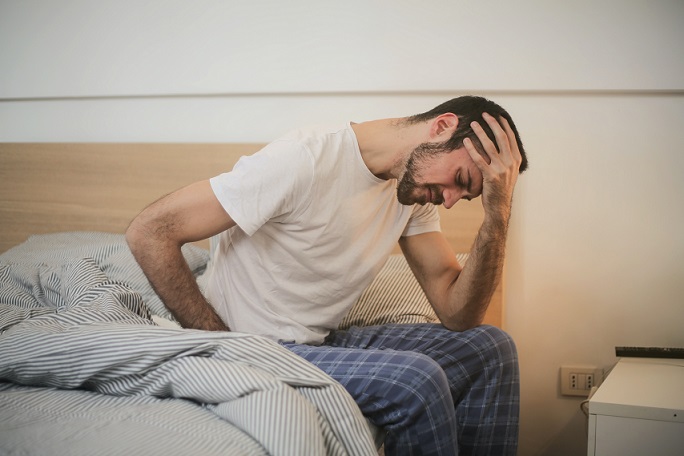 Photo by Andrea Piacquadio from Pexels
About Sarah Kaminski
Sarah Kaminski is a life enjoyer, positivity seeker, and a curiosity enthusiast. She’s been a freelance writer for over a decade and loves researching health and wellness topics.