Can You Sue for Injuries if You Were Hit by a Self-Driving Car?
Can You Sue for Injuries if You Were Hit by a Self-Driving Car?
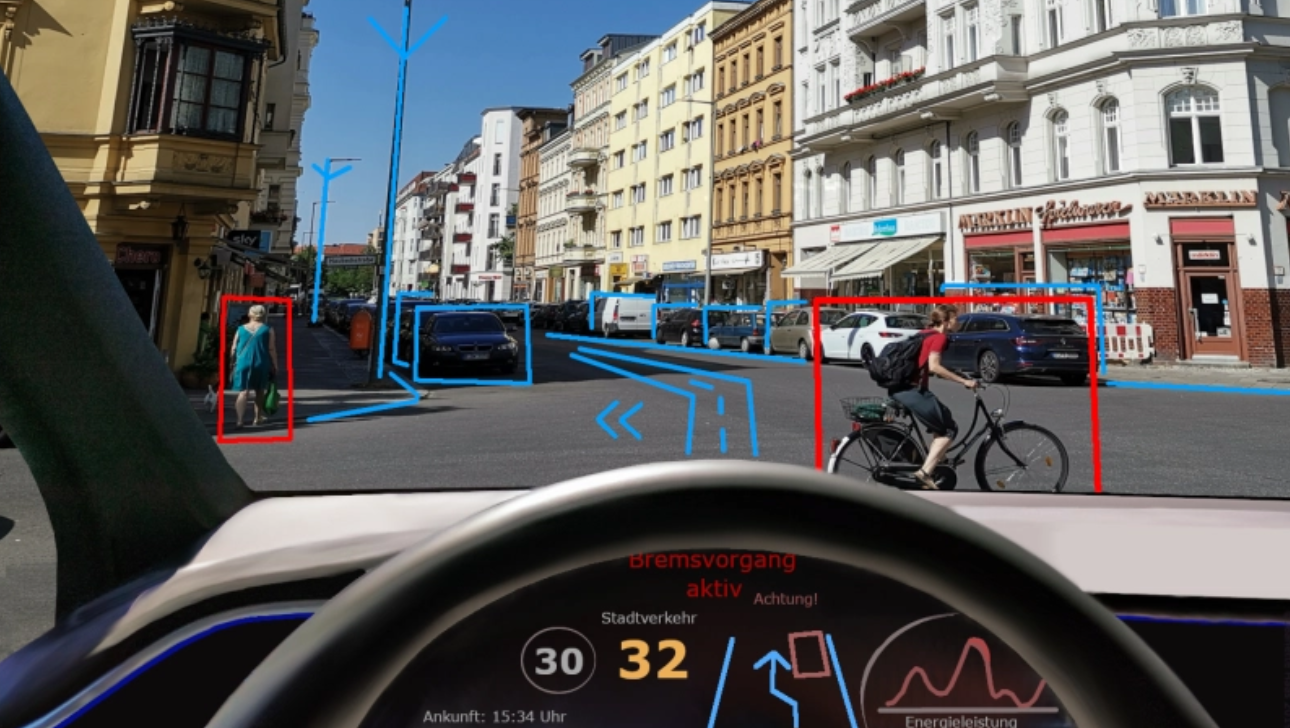
As the concept of self-driving cars has moved from fiction to reality, government legislation has been accelerated to make sure that liability exists just as it would if a human were driving negligently. States across the country are rolling out safety standards – some more stringent than others – to govern the inevitable flood of automated vehicles to the streets and highways of the United States.If you were injured in an accident involving a self-driving car, you may have the ability to sue and recover damages for your injuries. In order to be successful in court, you will likely need to demonstrate that you were injured in an accident that was at least primarily due to the negligence of the driver, owner, and/or manufacturer of the self-driving car. Determining when and how much you can sue for depends on the circumstances of the case, such as whether the accident was caused by human error or product malfunction, and what state the accident occurred in.Self-Driving NegligenceTheoretically, self-driving cars operate under the same standards as cars driven by regular people. If a car causes injury or damage to the person or property of someone else due to some negligence or failure to meet driving standards, there is most likely liability assessed. The key difference is who the liable party will be.In a typical instance of negligent driving, there are three avenues for recovering damages. A driver who behaves negligently (for instance, blowing through a red light) bears the primary liability for injuries that the behavior causes. Where the negligent driver is not the owner but is driving the car with the knowledge and permission of the owner, the owner may be liable as well. But if the accident occurred due to a defect in the vehicle itself, the liability extends further to the manufacturer. This theory is called product liability.All three of these avenues are available to victims of self-driving car accidents involving negligence, but they are slightly more complicated. Several states have passed laws that passes the liability of the “driver” to the manufacturing company. Further, if the actual driver is an employee (or “agent”) of a rideshare company such as Uber, the company is also liable for the damages under the seasoned legal theory known as “vicarious liability.”Proving Fault in Self-Driving Car Crash CasesRegardless of the circumstances of the accident or the state in which it occurs, the injured party is still required to prove fault. In other words, you would need to legally demonstrate that the cause of the accident was some flaw or malfunction of the car’s operating system. Since this is a relatively new area, it’s still unclear what kind of burden that would require, especially because self-driving car manufacturers have recently been opting to settle rather than air their dirty laundry in a courtroom.
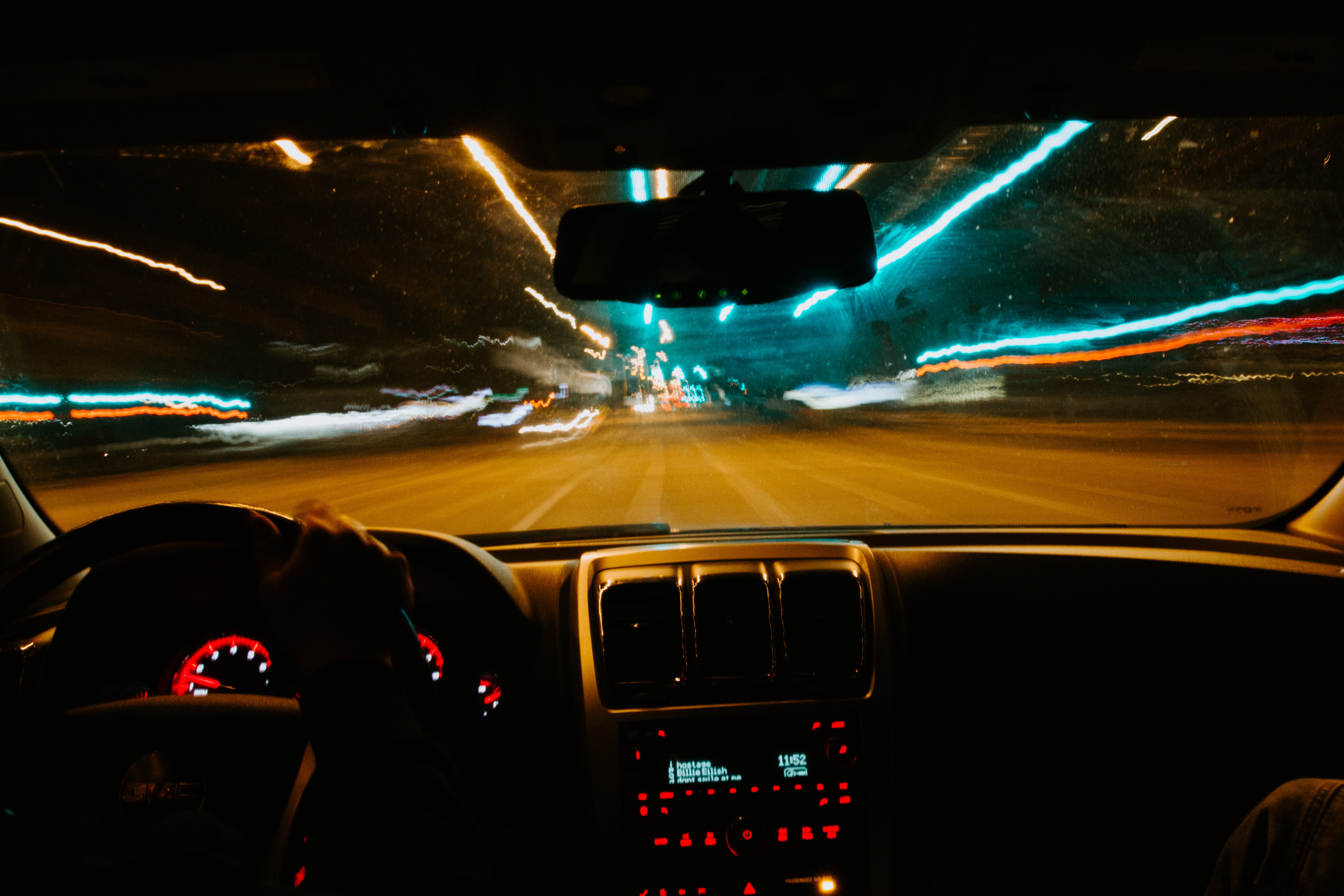 Image by Gabe Pierce, via Unsplash.com.
Pain and suffering
Disability or impairment
Medical bills
Lost wages
Vehicle or other property damage
Mental and emotional effects of the trauma
About Dennis Carrion, Esq.
Dennis Carrion is a New York City personal injury lawyer representing anyone who has been injured due to someone else’s negligence. Mr. Carrion has successfully represented hundreds of cases, recovering millions for his clients. If you were injured in a car accident, construction accident, slip and fall, or by any other means, contact Dennis Carrion to see if you have a case.