
Cannabis Business Law: Essential Legal Insights for Entrepreneurs and Investors

Cannabis Business Law: Essential Legal Insights for Entrepreneurs and Investors
The legalization of cannabis has been a hotly debated topic for decades, and in recent years, there has been a significant shift in public opinion and legislative action. As of now, cannabis is legal for recreational use in 18 states and Washington D.C. and for medical use in 36 states. However, it's important to note that cannabis remains illegal at the federal level, which creates a complex legal landscape for businesses operating in the industry. Understanding the nuances of state and federal laws is crucial for cannabis businesses to navigate the legal landscape effectively.On the state level, each jurisdiction has its own set of regulations governing the cultivation, distribution, and sale of cannabis. These regulations can vary widely from state to state, covering everything from licensing requirements to product testing and labeling. Additionally, local municipalities may have their own ordinances and zoning restrictions that businesses must adhere to. On the federal level, cannabis remains classified as a Schedule I controlled substance under the Controlled Substances Act, which presents significant legal challenges for businesses operating in the industry. Navigating this complex legal landscape requires a thorough understanding of both state and federal laws, as well as ongoing monitoring of legislative developments that could impact the industry.The legalization landscape for cannabis is constantly evolving, with new states considering legalization and existing states refining their regulations. Keeping up with these changes is essential for businesses operating in the industry to ensure compliance with all applicable laws and regulations. Additionally, businesses must be prepared to adapt to changes in the legal landscape, whether it's new licensing requirements or shifts in federal enforcement priorities. By staying informed and proactive, cannabis businesses can position themselves for success in this rapidly changing industry. For more insights on cannabis and business, you can visit https://hyperwolf.com/w/blog/.Licensing and Regulatory ComplianceObtaining the necessary licenses and permits is a critical step for cannabis businesses to operate legally within their jurisdiction. The specific requirements for licensing can vary widely from state to state, and even from one type of cannabis business to another. For example, a cultivation facility may have different licensing requirements than a retail dispensary or a manufacturing facility. Understanding the specific licensing requirements for each type of cannabis business is essential for entrepreneurs looking to enter the industry.In addition to obtaining the necessary licenses, cannabis businesses must also comply with a wide range of regulatory requirements governing everything from security and record-keeping to product testing and labeling. These regulations are designed to ensure public safety and product quality, but they can also create significant compliance challenges for businesses. For example, many states require extensive background checks for cannabis business owners and employees, as well as strict security measures to prevent theft and diversion. Additionally, product testing and labeling requirements can be complex and costly to implement. Navigating these regulatory requirements requires careful planning and attention to detail to ensure full compliance.Maintaining compliance with licensing and regulatory requirements is an ongoing challenge for cannabis businesses, as regulations can change frequently, and enforcement actions can have serious consequences. Businesses must be proactive in staying informed about changes to licensing requirements and regulatory standards, as well as investing in robust compliance measures to ensure ongoing adherence to all applicable laws and regulations. By prioritizing licensing and regulatory compliance, cannabis businesses can mitigate legal risks and position themselves for long-term success in the industry.Intellectual Property ProtectionIntellectual property protection is a critical consideration for cannabis businesses looking to establish and maintain a competitive edge in the industry. However, the complex legal landscape surrounding cannabis presents unique challenges for protecting intellectual property rights. Traditionally, cannabis businesses have faced significant barriers to obtaining federal trademark protection due to the plant's status as a Schedule I controlled substance. This has made it difficult for businesses to protect their brand names, logos, and other intellectual property at the federal level.In response to these challenges, some cannabis businesses have turned to state trademark registrations and common law trademark rights to protect their intellectual property. While these options can provide some level of protection within a specific state or region, they may not offer the same level of protection as federal trademark registration. Additionally, businesses must be mindful of potential infringement issues when selecting brand names and logos to avoid conflicts with existing trademarks.Another important consideration for cannabis businesses is protecting their proprietary technology and processes through patents. While obtaining patents for cannabis-related inventions can be challenging due to federal restrictions, there have been some recent developments that offer hope for increased intellectual property protection in the industry. For example, the U.S. Patent and Trademark Office has issued patents for cannabis-related inventions such as plant varieties and extraction methods, signaling a potential shift in attitudes towards intellectual property protection for cannabis businesses.Navigating the complex landscape of intellectual property protection in the cannabis industry requires careful consideration of both federal and state laws, as well as ongoing monitoring of legal developments that could impact intellectual property rights. By working with experienced intellectual property attorneys and staying informed about changes in the legal landscape, cannabis businesses can take proactive steps to protect their valuable intellectual property assets.Taxation and Financial PlanningTaxation presents unique challenges for cannabis businesses due to the plant's status as a Schedule I controlled substance at the federal level. This classification prevents cannabis businesses from taking advantage of many standard tax deductions and credits that are available to businesses in other industries. Additionally, Section 280E of the Internal Revenue Code prohibits businesses from deducting ordinary business expenses from their taxable income if they are engaged in the trafficking of controlled substances, including cannabis.As a result, cannabis businesses face significantly higher effective tax rates compared to businesses in other industries. This can create financial strain and limit the ability of cannabis businesses to reinvest in their operations and growth. To navigate these challenges, cannabis businesses must engage in careful tax planning and compliance to minimize their tax liability while remaining fully compliant with all applicable tax laws.One strategy that some cannabis businesses have employed to mitigate their tax burden is structuring their operations to separate non-cannabis activities from cannabis-related activities. By segregating their business activities in this way, some businesses have been able to allocate more expenses to non-cannabis activities, thereby reducing their taxable income from their cannabis operations. However, this strategy requires careful planning and compliance with complex tax rules governing the allocation of expenses across different business activities.In addition to tax planning, financial planning is essential for cannabis businesses to navigate the unique financial challenges they face. This includes managing cash flow effectively, securing financing for expansion or capital improvements, and developing long-term financial strategies that account for the industry's regulatory uncertainties. By working with experienced tax professionals and financial advisors who understand the complexities of the cannabis industry, businesses can develop comprehensive tax and financial plans that position them for long-term success.Employment and Labor LawsEmployment and labor laws present unique challenges for cannabis businesses due to the industry's status as a Schedule I controlled substance at the federal level. While many states have legalized cannabis for medical or recreational use, federal law still prohibits its use and possession. This creates legal uncertainties for employers in states where cannabis is legal, particularly when it comes to issues such as drug testing, workplace safety, and employee rights.One key consideration for cannabis businesses is developing clear policies around drug testing and substance use in the workplace. While some states have enacted laws protecting employees' rights to use medical cannabis outside of work hours, employers still have the right to maintain drug-free workplaces and enforce drug testing policies. However, navigating these conflicting legal requirements can be challenging for employers, particularly when it comes to balancing workplace safety with employees' rights.Another important consideration for cannabis businesses is ensuring compliance with labor laws governing issues such as minimum wage, overtime pay, and workplace safety. While these laws apply to all employers regardless of industry, they can be particularly complex for cannabis businesses due to the industry's unique regulatory landscape. For example, some states have enacted specific labor regulations for cannabis businesses, such as requirements for security personnel or restrictions on hiring individuals with certain criminal backgrounds.Navigating employment and labor laws in the cannabis industry requires careful attention to both state and federal regulations, as well as ongoing monitoring of legal developments that could impact employers' rights and responsibilities. By working with experienced employment law attorneys and staying informed about changes in the legal landscape, cannabis businesses can develop comprehensive employment policies that protect both their employees' rights and their own legal interests.Risk Management and Insurance
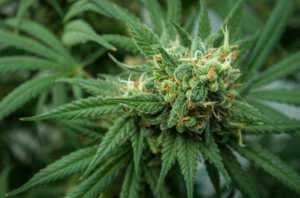 Cannabis plant; image by Jeff W., via Unsplash.com.

About Carrie Parks
Carrie Parks is a distinguished expert known for her innovative approach and dedication to excellence. Her dedication to her field and continuous pursuit of excellence make her a valuable contributor to any platform. She looks forward to connecting with readers and sharing her insights and experiences.