
Categories | News & Politics Article

CDC's Opioid Guidelines Have Been Misinterpreted, HHS Warns
October 22nd, 2019 News & Politics 3 minute read
Article Image

CDC's Opioid Guidelines Have Been Misinterpreted, HHS Warns

The U.S. Department of Health and Human Services (HHS) is recommending against tapering chronic pain patients off of opioids.  The agency is making this recommendation amid a nationwide addiction crisis in which opioids are being abused by thousands.  HHS is warning that “abrupt changes to a patient’s opioid prescription could harm them.”The agency issued new guidelines for physicians on how best to manage opioid prescriptions utilizing a “deliberate approach to lowering doses for chronic pain patients who have been on long-term opioid therapy” rather than abruptly reducing assistance.“It must be done slowly and carefully,” says Adm. Brett P. Giroir, MD, assistant secretary for health for HHS. “If opioids are going to be reduced in a chronic patient it really needs to be done in a patient-centered, compassionate, guided way.”

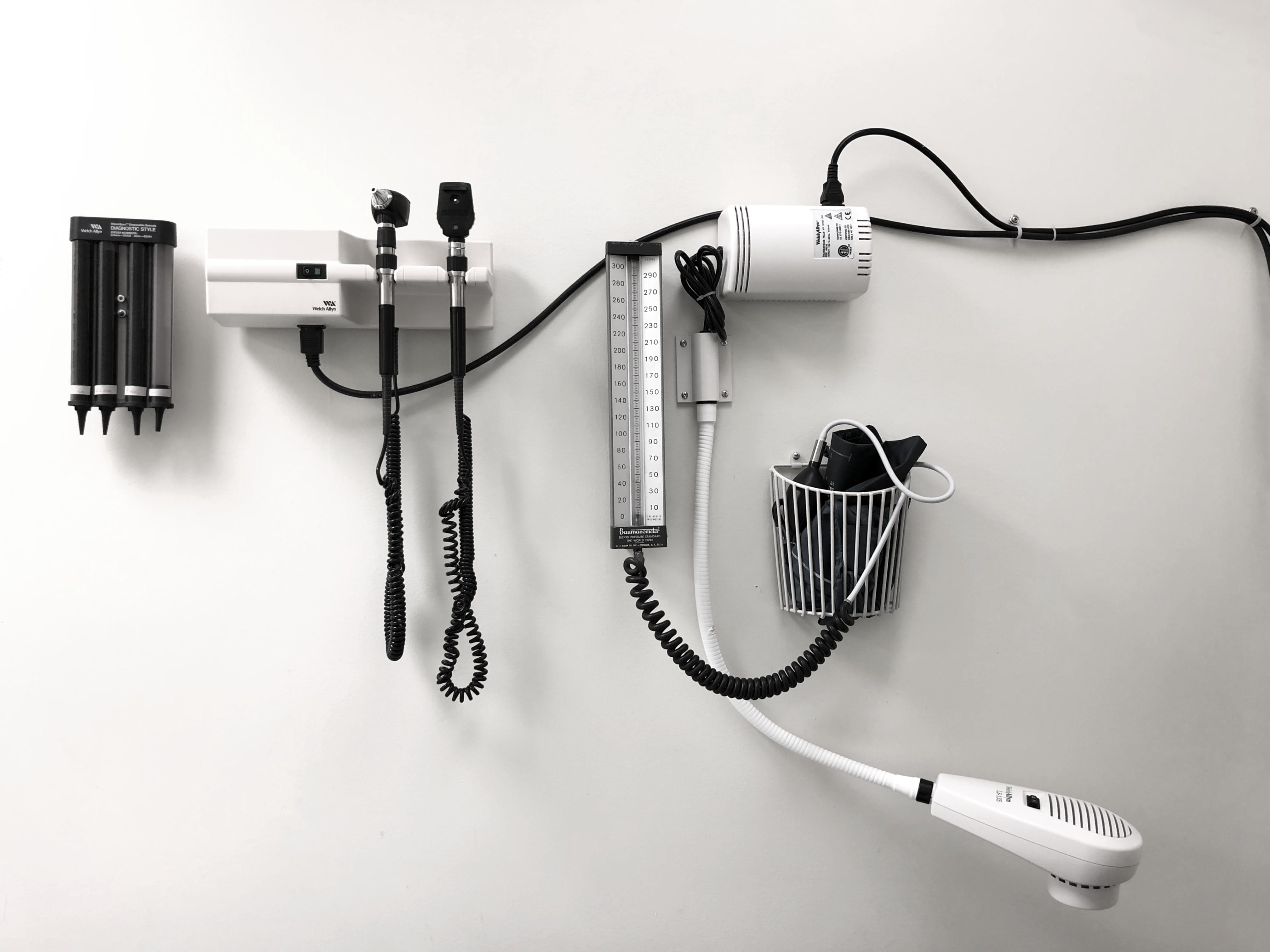
Photo by Piron Guillaume on Unsplash

In 2016, the Centers for Disease Control and Prevention (CDC) released prescribing guidelines emphasizing the risk of opioid addiction and overdose.  These guidelines encouraged prescribers to decrease doses, and in response, many physicians began to implement drastic limits, and even cut some patients off altogether.  It seemed, to a large extent, doctors misinterpreted the agency’s intentions.Giroir said it’s a matter of some practitioners “interpreting guidelines as mandates.”  He added, “A guideline is a guideline it’s not a mandate or a rule that works for every single patient.”The HHS is warning that an immediate “removal of the medication can lead to acute withdrawal symptoms, provoke thoughts of suicide and lead patients to seek out illicit opioids as a way to treat their pain or withdrawal symptoms.”  It continued, “Unless there are indications of a life-threatening issue, such as warning signs of impending overdose, HHS does not recommend abrupt opioid dose reduction or discontinuation.”“There is a very large body of data across the scientific and medical literature that would say that abrupt discontinuation or abrupt reduction in dosage can be harmful to patients,” says Giroir.In March, more than 300 doctors and other health care professionals, including three former White House Drug Czars, warned the CDC in a letter of the “widespread misapplication” of its 2016 prescribing guidelines.Dr. Stefan Kertesz, a professor of medicine at the University of Alabama at Birmingham School of Medicine said, “We have to be concerned that the governmental and nongovernmental agencies continue to incentivize dose reductions…and hold no one accountable for harm to patients when doses are forced down across the board.”Kertesz added that Medicaid, as well as state and private payers, still have policies that lead to forced dose reductions, stating, “Until those laws, regulations, quality metrics and criteria are revisited, we will have to live with a heart-breaking conflict between what well-intentioned experts think is good practice and what our health system and laws incentivize…Taper might help some patients if you do it 100% correctly.  And in reality, we are mostly doing it wrong.”Any confusion over the guidelines issued – whether from medical personnel or insurance providers – could have the reverse effect of the HHS and CDC’s intentions and lead to an increase in the number of opioid withdrawal deaths or addicts turning to the streets.

Sources:

Don't Force Patients Off Opioids Abruptly, New Guidelines Say, Warning Of Severe RisksHealth Officials Urge Caution in Reducing Opioids for Pain Patients

Sara E. Teller

About Sara E. Teller

Sara is a credited freelance writer, editor, contributor, and essayist, as well as a novelist and poet with nearly twenty years of experience. A seasoned publishing professional, she's worked for newspapers, magazines and book publishers in content digitization, editorial, acquisitions and intellectual property. Sara has been an invited speaker at a Careers in Publishing & Authorship event at Michigan State University and a Reading and Writing Instructor at Sylvan Learning Center. She has an MBA degree with a concentration in Marketing and an MA in Clinical Mental Health Counseling, graduating with a 4.2/4.0 GPA. She is also a member of Chi Sigma Iota and a 2020 recipient of the Donald D. Davis scholarship recognizing social responsibility. Sara is certified in children's book writing, HTML coding and social media marketing. Her fifth book, PTSD: Healing from the Inside Out, was released in September 2019 and is available on Amazon. You can find her others books there, too, including Narcissistic Abuse: A Survival Guide, released in December 2017.

Related Articles