Chicago Uses Federal Funds for School Mental Health
Chicago Uses Federal Funds for School Mental Health
Mental health professionals at North-Grand High School in Chicago, including school counselors, case managers, and a social worker, have been tasked with creating a behavioral health team to support students struggling with low attendance, poor adherence to discipline, and out of school issues. The effort is part of a larger one that the city of Chicago has taken on with a a goal to start similar teams in every school within the next couple of years with the help of federal funds. It is part of a district-wide initiative to train staff in trauma-informed approaches.The $24 million mental health plan offers a sneak peek at Chicago’s plans to spend a portion of the $1.8 billion in federal stimulus funds over the next three years to expand behavioral support services currently available in 200 of its schools. It seeks to expand to 500, asking for support from community partnerships through grants. There is an identified need for “culturally relevant and trauma-supported approaches to helping Chicago students,” the announcement indicated.
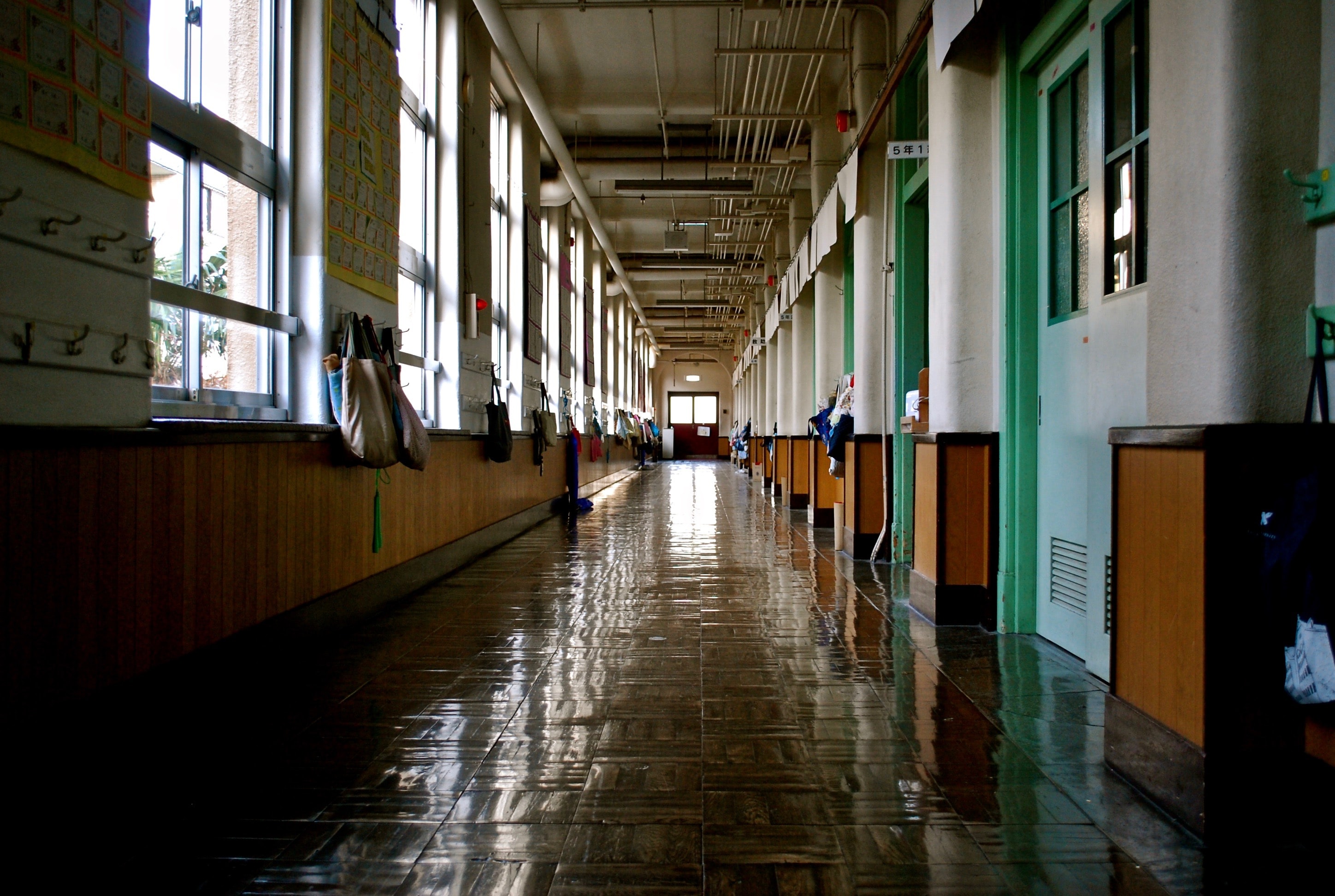
 Photo by Jeswin Thomas on Unsplash
Sources:
Chicago Public Schools To Invest $24 Million In Student Trauma And Mental Health ProgramsChicago Public Schools Begins 3-Year Outreach Program To Address Trauma After COVID-19 PandemicChicago Public Schools: Social-Emotional Wellbeing
About Sara E. Teller
Sara is a credited freelance writer, editor, contributor, and essayist, as well as a novelist and poet with nearly twenty years of experience. A seasoned publishing professional, she's worked for newspapers, magazines and book publishers in content digitization, editorial, acquisitions and intellectual property. Sara has been an invited speaker at a Careers in Publishing & Authorship event at Michigan State University and a Reading and Writing Instructor at Sylvan Learning Center. She has an MBA degree with a concentration in Marketing and an MA in Clinical Mental Health Counseling, graduating with a 4.2/4.0 GPA. She is also a member of Chi Sigma Iota and a 2020 recipient of the Donald D. Davis scholarship recognizing social responsibility. Sara is certified in children's book writing, HTML coding and social media marketing. Her fifth book, PTSD: Healing from the Inside Out, was released in September 2019 and is available on Amazon. You can find her others books there, too, including Narcissistic Abuse: A Survival Guide, released in December 2017.