
Cold Therapy – A Beginner’s Guide
Cold Therapy – A Beginner’s Guide
Cold therapy is an age-old practice making a modern comeback. Whether you’re a fitness enthusiast, someone looking for natural ways to boost mental health, or just curious about this chilly trend, cold water therapy offers a plethora of health benefits that are too good to ignore.There’s a lot to say on the topic, but we’ve done all the hard work so we can uncover the bite-sized version of the science behind ice baths and cold plunges. We’ll dive into their benefits and explore practical tips on how to safely incorporate them into your life. Let’s get to it.Understanding Cold TherapyCold therapy, often referred to as cryotherapy, involves exposing the body to extremely cold temperatures for a short period. The practice isn’t new. It has been used for centuries in various forms across different cultures for its healing properties. Today, it’s gaining momentum in the wellness community for its numerous health benefits.Let’s jump right into the science behind cold plunges. When your body is exposed to cold, it reacts in fascinating ways. Doing so can significantly improve your wellbeing, both physically and mentally.As you read on, keep an open mind and consider how these ancient methods might benefit your modern life.The Benefits of Ice BathsWe’ll first discuss the benefits of ice baths on blood pressure. When you immerse yourself in cold water, your blood vessels contract and your heart rate initially increases. This reaction helps to improve circulation and lower blood pressure over time. Regular ice baths can be a natural and effective way to manage blood pressure.Equally impressive are the benefits that ice baths can have on mental health. The shock of the cold can actually be good for your brain. It stimulates the production of mood-boosting neurotransmitters, which can help alleviate symptoms of anxiety and depression.Besides these, ice baths can speed up muscle recovery, reduce inflammation, and even boost your immune system. Athletes have been using this technique for years to recover faster after intense workouts.But you don’t have to be a professional athlete to reap these benefits. Anyone can incorporate ice baths into their routine and enjoy the refreshing and revitalizing effects.How to Approach Cold Plunges as a Novice
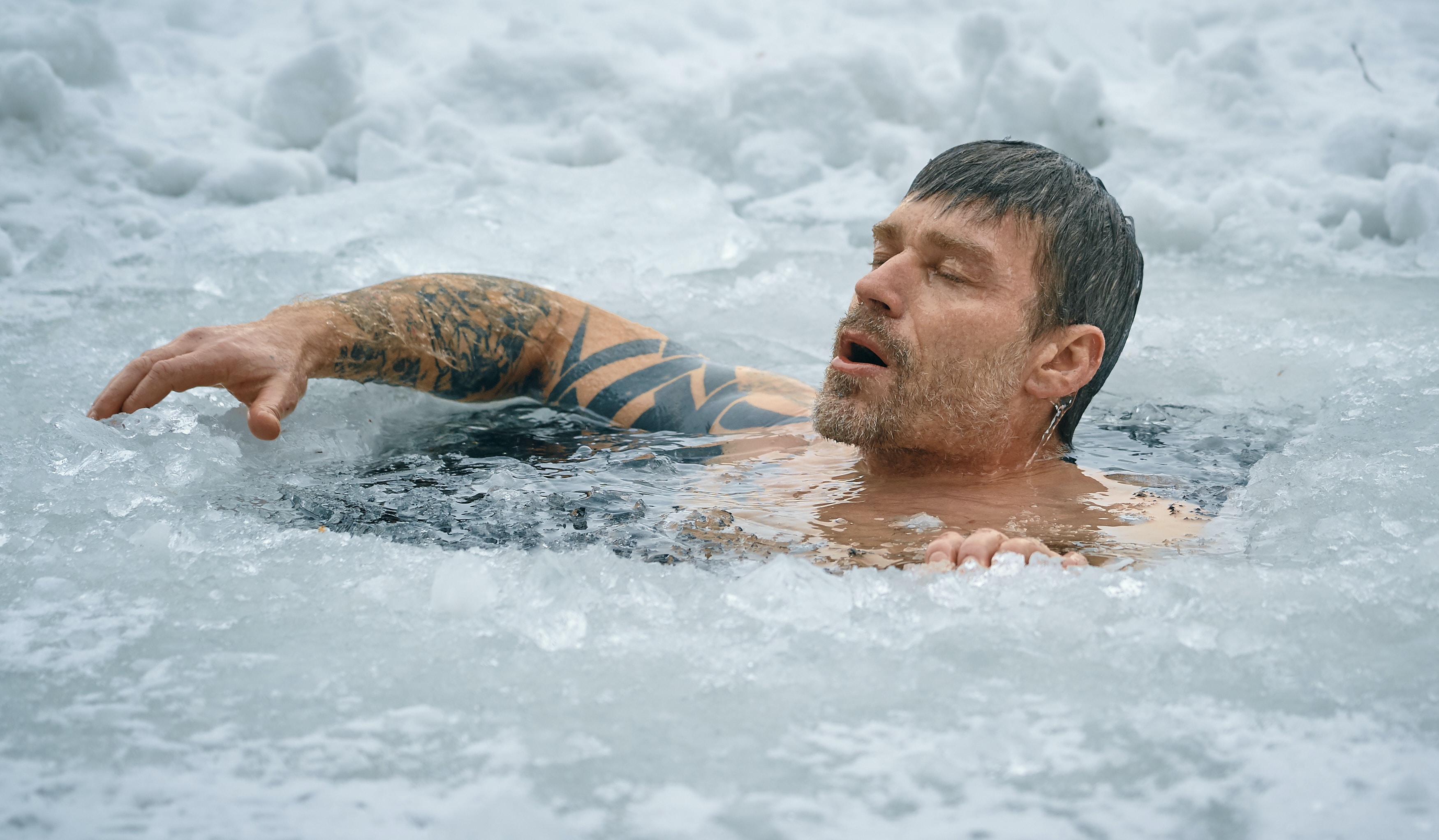 Man doing ice plunge in lake; image by Vidar Nordli Mathisen, via Unsplash.com.
First, start slow. If you’re new to cold therapy, begin with lukewarm water and gradually decrease the temperature over time. This gradual adaptation will help your body get used to the shock of cold water.
Next, focus on the duration of your plunge. Initially, aim for a short duration, like 30 seconds to a minute. As you get more comfortable, you can slowly increase the time spent in the cold.
It’s also important to pay attention to the temperature. Ideally, the water should be cold enough to provide a shock (usually between 50-59°F or 10-15°C) but not so cold that it causes discomfort or health risks.
Lastly, listen to your body. Everyone reacts differently to cold exposure, so it’s vital to be mindful of how you feel during and after your plunge. If you experience any discomfort or adverse reactions, it’s best to stop and consult with a healthcare professional.
Before you start, make sure you’re in good health. If you have any medical conditions, particularly heart or circulatory issues, check with your doctor first.
You’ll need a tub or a large container that can comfortably fit your body. Then, fill it with cold water and add ice until you reach the desired temperature (between 50-59°F or 10-15°C).
For beginners, aim for about 5-10 minutes in the ice bath. As you get more accustomed, you can gradually increase the time, but usually, no more than 15-20 minutes is recommended.
Entering cold water can be a shock to the system, so it’s important to breathe deeply and try to relax. Some people find it helpful to focus on meditation or breathing exercises to help cope with the discomfort.
After your ice bath, it’s essential to gradually warm up. Avoid hot showers immediately after. Instead, let your body warm up naturally. Gentle stretching or light movement can help restore normal blood flow.
About Sarah Kaminski
Sarah Kaminski is a life enjoyer, positivity seeker, and a curiosity enthusiast. She’s been a freelance writer for over a decade and loves researching health and wellness topics.