
Common Expectations of a Court Reporter
Common Expectations of a Court Reporter
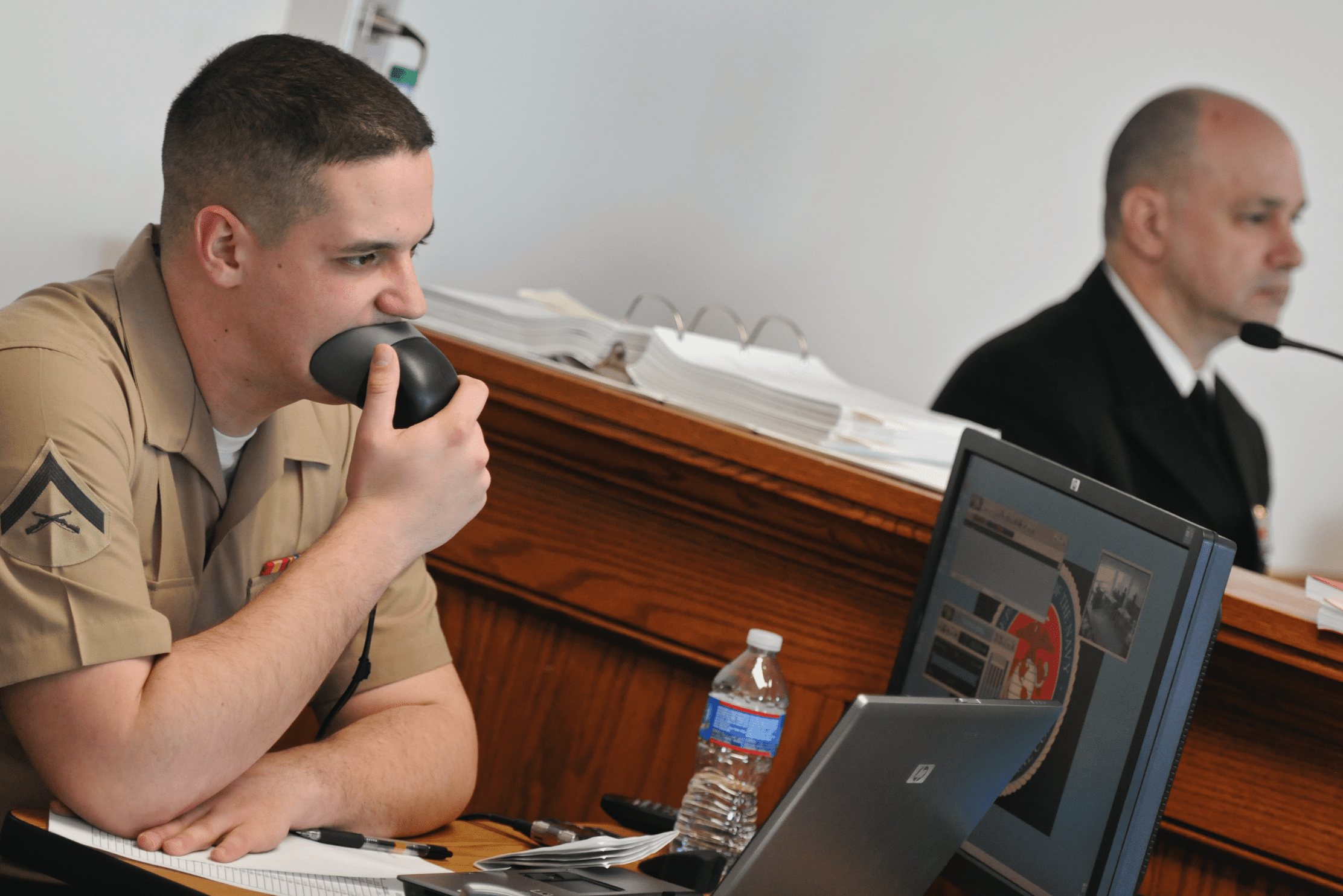
Lawyers, plaintiffs, defendants, judges, witnesses and juries. These are some of the most common and influential roles that are often associated with the legal proceedings in a courtroom. Individuals who hold these job titles are consistently seen throughout the course of a trial, engage in meaningful discussions and disseminate integral information. Court reporters, who tend to remain on the sidelines and out of sight, are easily overlooked; however, these employees provide services that are essential to the success and proper documentation of any lawsuit or court-related matter. They exhibit an exceptional set of skills and characteristics that assist them in adequately performing their required tasks in an effective and efficient way.Transcribe Court HearingsThe main role of a court reporter is to create a written account of all activities that take place within the courtroom. Whether it be an attorney’s opening and closing statements, a witness’s testimony or a judge’s interjection, this individual is responsible for recording everything that is said throughout the course of a case. These individuals must also be able to accurately interpret nonverbal cues such as body language and the use of facial or hand gestures. Given that the interactions and activities that occur within the courtroom move at a rapid pace, it is imperative that court reporters have the ability to transcribe at a relatively high speed. Individuals in this profession can typically type 200 words per minute when using a stenographic keyboard or similar word processor. Working knowledge of the legal industry may also aid in one’s ability to abbreviate certain terminology and lessen the overall length of the finalized transcript. Not everyone in a courtroom speaks clearly and concisely; oftentimes individuals on the stand may provide inaudible responses due to speech impediment, fast speaking or lack of appropriate voice projection. It is important that all court reporters Bend ensure that the information stated during the proceeding is correctly captured for future reference. During a court hearing or deposition, the person transcribing the case may need to interrupt and ask for clarification. Information such as names, dates and locations may be asked to be repeated.Properly Organize Materials
 Image by Wannapik Studios.
About Kevin Gardner
Kevin Gardner graduated with a BS in Computer Science and an MBA from UCLA. He works as a business consultant for InnovateBTS where he helps companies integrate technology to improve performance. He shares his knowledge and expertise not only with his clients, but also with his fellow bloggers and readers.