Connecticut's Opioid Tax is Met with Opposition from Distributors
Connecticut's Opioid Tax is Met with Opposition from Distributors
Connecticut is making plans to include a new tax on opioids in its state budget. But this effort has been met with opposition from the pharmaceutical industry. A national coalition of pharmaceutical distributors warned the tax ultimately would be paid by patients, many of whom need prescription-opioid medications to manage chronic pain.“By adopting the opioid tax, the state of Connecticut would be increasing health care costs for thousands of patients who need these medications for a number of conditions and surgical procedures, including the treatment of cancer and end-of-life hospice care,” wrote John Gray, president and CEO of the Healthcare Distribution Alliance.House Speaker Joe Aresimowicz, D-Berlin, predicted the tax would be included in the budget, but did not identify a specific rate. The tax would be imposed at every level of the distribution process, including at the first point of sale in Connecticut, which typically means distributors selling to health care providers.“The producers of opioids have made a lot of money in a very inappropriate way,” Aresimowicz said. “So, it’s our intention to make sure they will be paying it, not the consumers.”
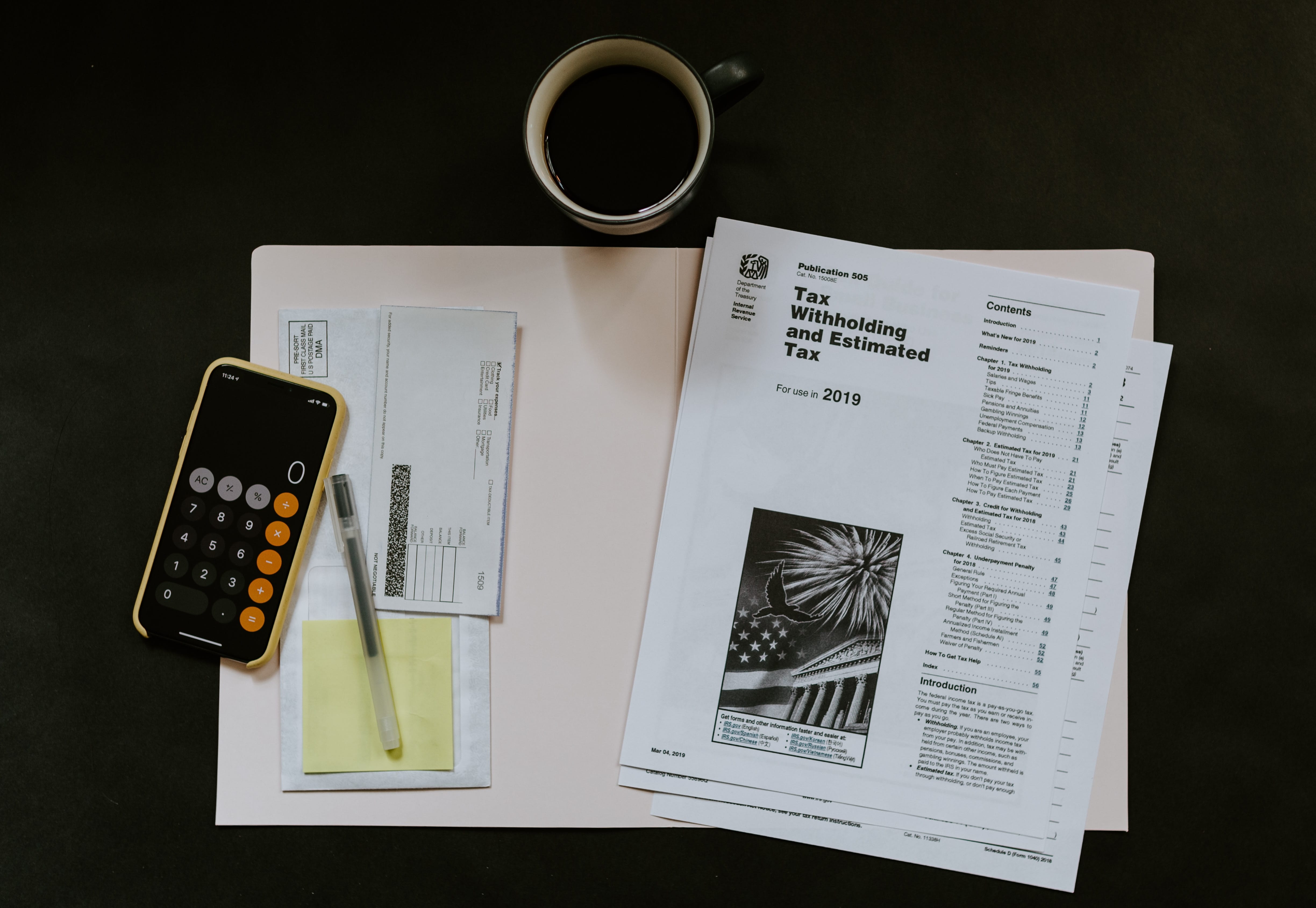
 Photo by Ibrahim Rifath on Unsplash
Sources:
Democratic Legislative Leaders Press Forward With Opioid TaxOklahoma Faces Off Against J & J in First Trial of an Opioid Maker
About Sara E. Teller
Sara is a credited freelance writer, editor, contributor, and essayist, as well as a novelist and poet with nearly twenty years of experience. A seasoned publishing professional, she's worked for newspapers, magazines and book publishers in content digitization, editorial, acquisitions and intellectual property. Sara has been an invited speaker at a Careers in Publishing & Authorship event at Michigan State University and a Reading and Writing Instructor at Sylvan Learning Center. She has an MBA degree with a concentration in Marketing and an MA in Clinical Mental Health Counseling, graduating with a 4.2/4.0 GPA. She is also a member of Chi Sigma Iota and a 2020 recipient of the Donald D. Davis scholarship recognizing social responsibility. Sara is certified in children's book writing, HTML coding and social media marketing. Her fifth book, PTSD: Healing from the Inside Out, was released in September 2019 and is available on Amazon. You can find her others books there, too, including Narcissistic Abuse: A Survival Guide, released in December 2017.