COVID Can Lead to Brain Damage and Cognitive Impairment
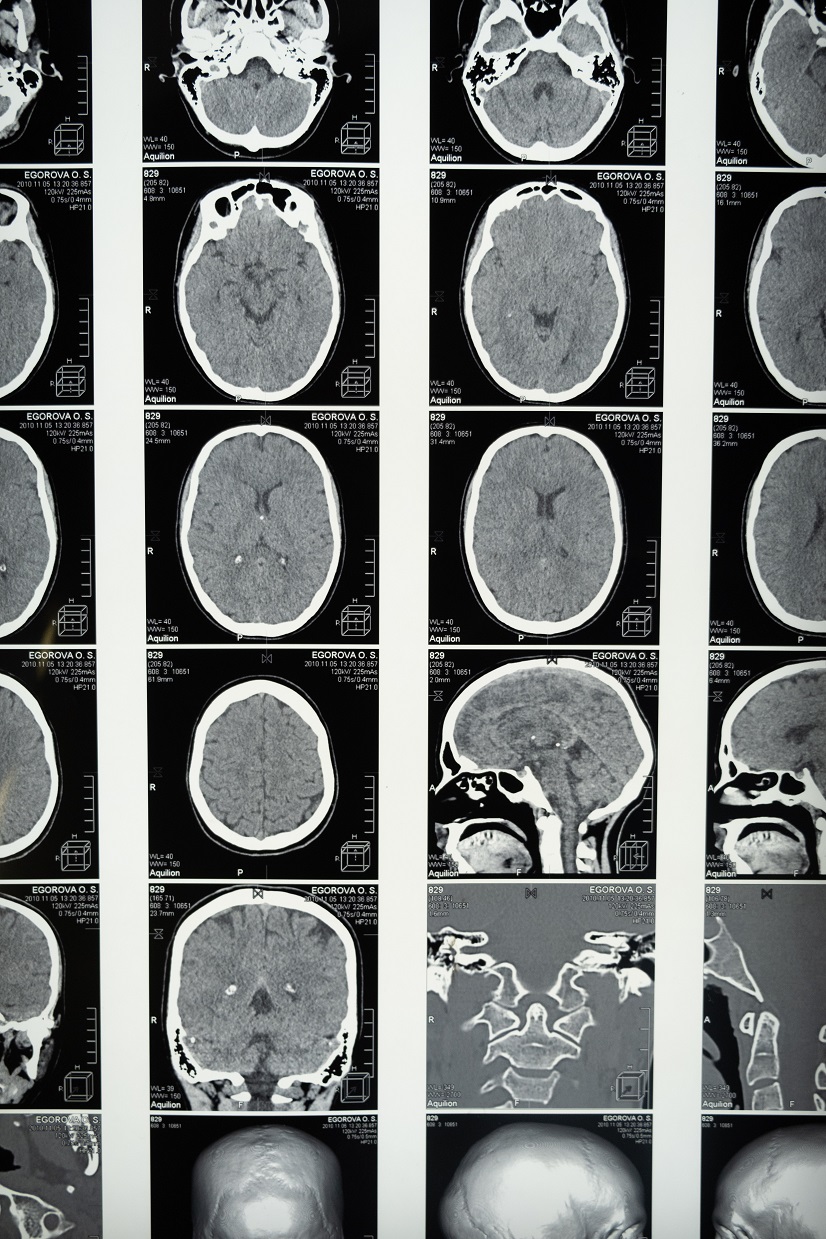
COVID Can Lead to Brain Damage and Cognitive Impairment
The coronavirus impacts the brain – big time. And research shows this is what’s happening even during mild COVID cases when patients lose their sense of smell. In early studies, the loss of smell alone seemed to be, in and of itself, an adequate-enough sign that an individual has contracted the novel virus. Furthermore, it was a sufficient predictor that the upper respiratory distress a patient was presenting with was caused by COVID. Contrary to an early belief that the loss of smell would be temporary and pass when a patient no longer tested positive, many people have reported prolonged lacking this sense even long after the infection has run its course. Thus, researchers became determined to find the reasoning behind lingering symptoms, and it is now known that the nervous system is impacted. Brain damage can occur.
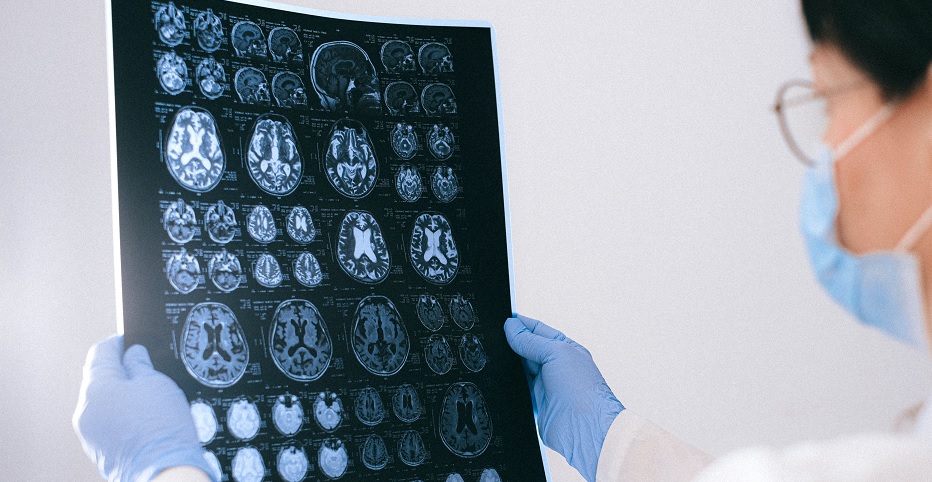 Photo by Anna Shvets from Pexels
Sources:
This Is Your Brain on COVID-19Viral Antigen and Inflammatory Biomarkers in Cerebrospinal Fluid in Patients With COVID-19 Infection and Neurologic Symptoms Compared With Control Participants Without Infection or Neurologic SymptomsSARS-CoV-2 is associated with changes in brain structure in UK BiobankEven mild COVID can cause brain shrinkage and affect mental function, new study showsCovid-19: Long Term Brain Injury
About Sara E. Teller
Sara is a credited freelance writer, editor, contributor, and essayist, as well as a novelist and poet with nearly twenty years of experience. A seasoned publishing professional, she's worked for newspapers, magazines and book publishers in content digitization, editorial, acquisitions and intellectual property. Sara has been an invited speaker at a Careers in Publishing & Authorship event at Michigan State University and a Reading and Writing Instructor at Sylvan Learning Center. She has an MBA degree with a concentration in Marketing and an MA in Clinical Mental Health Counseling, graduating with a 4.2/4.0 GPA. She is also a member of Chi Sigma Iota and a 2020 recipient of the Donald D. Davis scholarship recognizing social responsibility. Sara is certified in children's book writing, HTML coding and social media marketing. Her fifth book, PTSD: Healing from the Inside Out, was released in September 2019 and is available on Amazon. You can find her others books there, too, including Narcissistic Abuse: A Survival Guide, released in December 2017.