
Denver Plans to Create Parks, Rec Centers in Forgotten Areas
Denver Plans to Create Parks, Rec Centers in Forgotten Areas
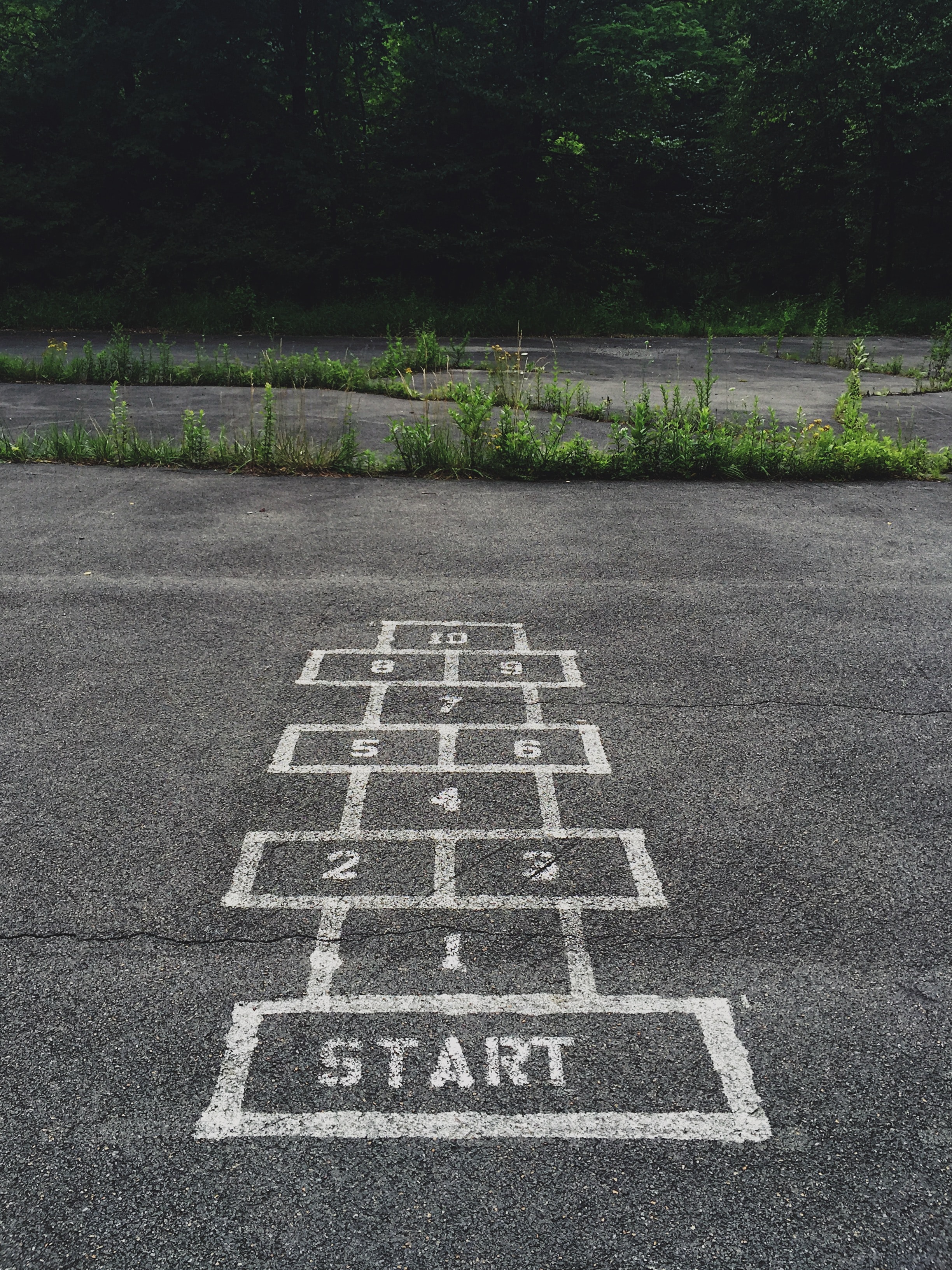
If one takes a look at the landscape of the United States, it becomes evident that green space, including public and private parks, soccer fields and the like, as well as recreational hangouts, have historically been positioned near White neighborhoods. That’s why Denver, Colorado has taken the initiative to change this in an effort to eliminate inequity. The city plans to spend tens of millions it has received as part of a new budget to purchase the land needed for new parks, playgrounds and rec centers, and planting trees and shrubbery in areas that seem to have been forgotten. Municipalities are behind determining what add-ons to incorporate and where, and the city is attempting to rectify discriminatory planning from the get-go.“Trees are a lifesaving device in cities, especially in a warming climate,” said Jad Daley, president of American Forests, a nonprofit conservation group. “It’s a moral imperative that every neighborhood has them.”However, there’s more to consider than just beautifying sparce areas of the city, including the disadvantaged areas of north Denver. Residents are concerned that adding too much pizazz will attract wealth and will, in turn, increase their property values and taxes to the point that they can no longer afford to live there. Essentially, instead of correcting inequity, they feel it will only deepen the divide.
 Photo by Power Lai on Unsplash
Sources:
Denver Wants to Fix a Legacy of Environmental RacismDenver is investing a bunch of its park money in underserved neighborhoods
About Sara E. Teller
Sara is a credited freelance writer, editor, contributor, and essayist, as well as a novelist and poet with nearly twenty years of experience. A seasoned publishing professional, she's worked for newspapers, magazines and book publishers in content digitization, editorial, acquisitions and intellectual property. Sara has been an invited speaker at a Careers in Publishing & Authorship event at Michigan State University and a Reading and Writing Instructor at Sylvan Learning Center. She has an MBA degree with a concentration in Marketing and an MA in Clinical Mental Health Counseling, graduating with a 4.2/4.0 GPA. She is also a member of Chi Sigma Iota and a 2020 recipient of the Donald D. Davis scholarship recognizing social responsibility. Sara is certified in children's book writing, HTML coding and social media marketing. Her fifth book, PTSD: Healing from the Inside Out, was released in September 2019 and is available on Amazon. You can find her others books there, too, including Narcissistic Abuse: A Survival Guide, released in December 2017.