
Electricity Storage Needs Significant Increase to Support Decarbonisation of Grid by 2050
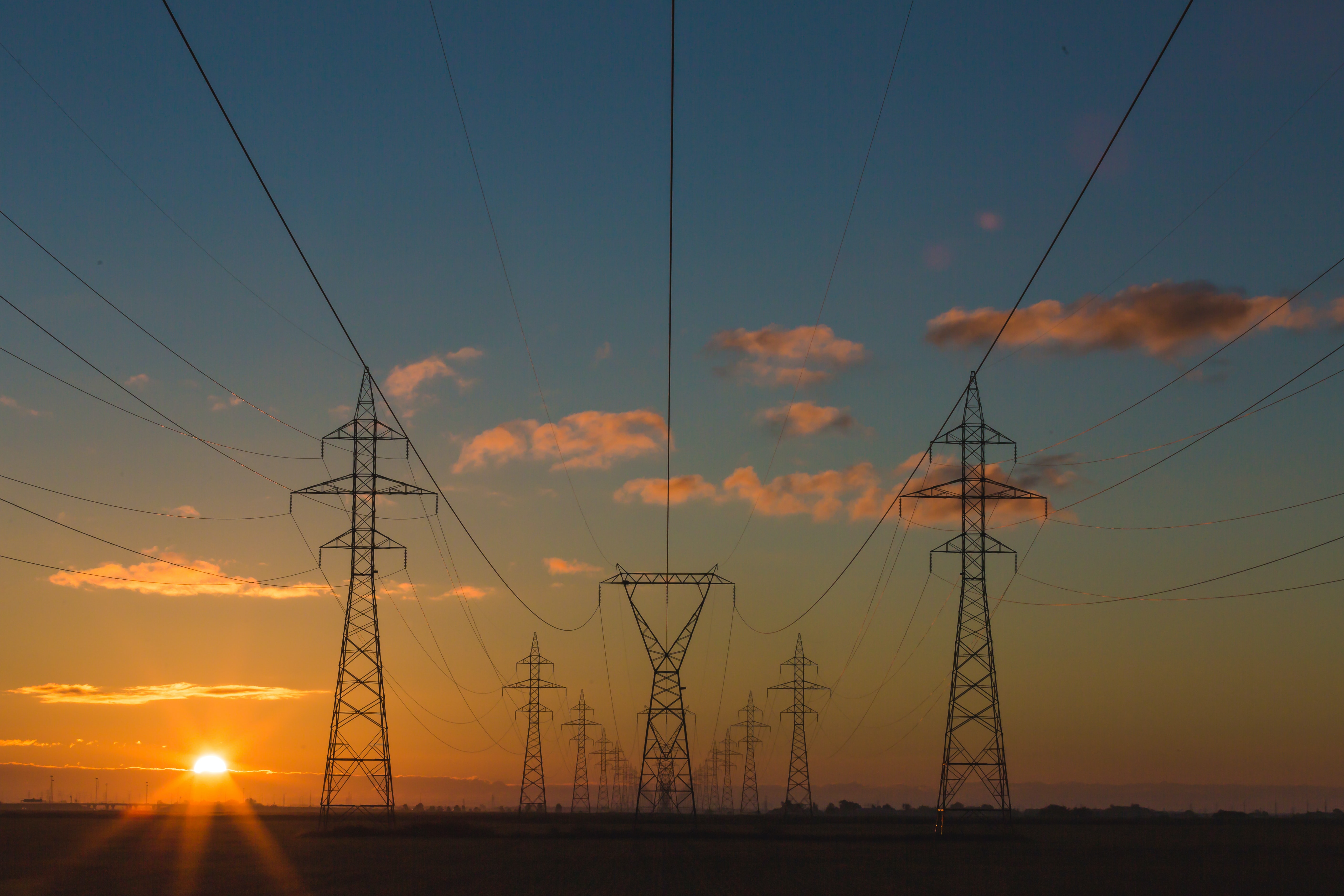
Electricity Storage Needs Significant Increase to Support Decarbonisation of Grid by 2050
The energy sector is currently going through many changes due to several factors. The last Capacity Market auctions cleared at record highs, while the introduction of new frequency response services has resulted in a significant commercial appetite for energy storage. However, to make strategic decisions to ensure maximum return on investment for these assets and a successful transition to net zero is quite complex, according to GridBeyond’s latest publication Managing the potential of batteries in the energy transition.In recent years, the share of variable renewables source is increasing compared to fuel generation. As we face out fossil fuels to achieve the 2050 net zero target, the role of energy storage will become increasingly important to grid resilience and flexibility. Electricity storage capacities will need to increase significantly to support the decarbonisation of our electricity system, which according to Bloomberg will require an investment of $262B in battery technology.However, there is a risk because if the market becomes oversupplied with batteries, investors could lose interest, but optimisation and stacking value could keep the investment attractive. Storage assets could stack values across different markets with optimisers and use AI and trading capabilities to extract long-term value.
 Wind turbine; image by Gonz DDL, via Unsplash.com.
Energy storage has grown by 45% and will need to increase significantly to support the decarbonisation of the electricity system by 2050
There is a risk for the energy storage market to become oversupplied, causing lots of interest from investors
Battery optimisation and stacking value are crucial to keep the investment attractive

About Press Release
This post is an authorized copy of a press release and was not written by LegalReader.