
Ensuring Compliance: Legal and Regulatory Aspects of Military Aircraft Procurement
Ensuring Compliance: Legal and Regulatory Aspects of Military Aircraft Procurement
For many businesses and individuals navigating the sector of defense contracting, understanding the nuanced landscape of military aircraft procurement can feel akin to mastering a foreign language. At the heart of this intricate procedure lies a complex network of compliance demands that ensure not only the effective conduct of transactions but also safeguard national security interests.With so much ambiguity, it's not hard to see why the largest defense contractors and even the US Armed Forces turn to trusted partners with experience in government procurement and aerospace programs that offer supply chain solutions that maximize operational readiness.The Backbone of Aerospace ProcurementThe procurement laws governing military aircraft acquisitions are broad, encompassing federal statutes and defense-specific regulations. These laws ensure every step, from tender issuance to contract awarding, adheres to principles of fairness, transparency and accountability.Furthermore, governmental bodies such as the Defense Contract Management Agency (DCMA) and the Defense Acquisition University (DAU) play pivotal roles in providing oversight. Their responsibilities span from guiding procurement professionals through the regulatory maze to monitoring contract compliance and execution, ensuring that every dollar spent contributes towards achieving defense objectives efficiently.Delving deeper into this critical infrastructure, it becomes apparent that the laws involved are tailored to address the unique requirements and sensitivities associated with military aircraft. These laws consider factors such as technological superiority, strategic advantage and the need for confidentiality and security.For contracts involving military aircraft, additional layers of scrutiny through legislation like the National Defense Authorization Act (NDAA) may apply, introducing more specific constraints and guidelines to ensure the nation's warfighters receive the best tools without compromise.Navigating the Regulatory SkiesThe regulatory environment of military aircraft procurement is chequered with rules and directives that aim to control how defense contracts are solicited, negotiated, executed, and closed. Compliance is non-negotiable, with stringent checks in place to prevent any lapses that could compromise the quality, safety, or security of military acquisitions.The implications of disregarding these regulatory requisites are severe, potentially dragging projects into legal quagmires or causing substantial delays and cost overruns. Such realities underscore the high stakes involved in military aircraft procurement and the paramount importance of staying within the regulatory guardrails.Beyond basic statutory requirements, procurement personnel must also stay abreast of changes in international agreements and export control regimes such as the Arms Export Control Act (AECA) and the International Traffic in Arms Regulations (ITAR).These directives play a crucial role in governing the cross-border movement of defense-related articles and services and ensure that advanced military technologies do not fall into the wrong hands, thus maintaining a balance between global business practices and national security.Contracts in the CloudsThe contract phase brings its own set of challenges and legal intricacies. In drawing up contracts, precision is crucial. These documents must encapsulate the entirety of the agreement's terms, clearly detailing the obligations of all parties involved while aligning with regulatory standards.Here, risks abound, from intellectual property disputes to breaches of security requirements, all of which demand proactive mitigation strategies. Effective contract management practices, therefore, become indispensable, assisting in maintaining the delicate balance between fulfilling contractual obligations and adhering to the labyrinth of legal and regulatory requirements.Future Flight PathAs we gaze into the horizon, the future of military aircraft procurement appears both promising and fraught with challenges. Technological advancements, shifting geopolitical dynamics and evolving international regulations will undoubtedly shape the landscape.
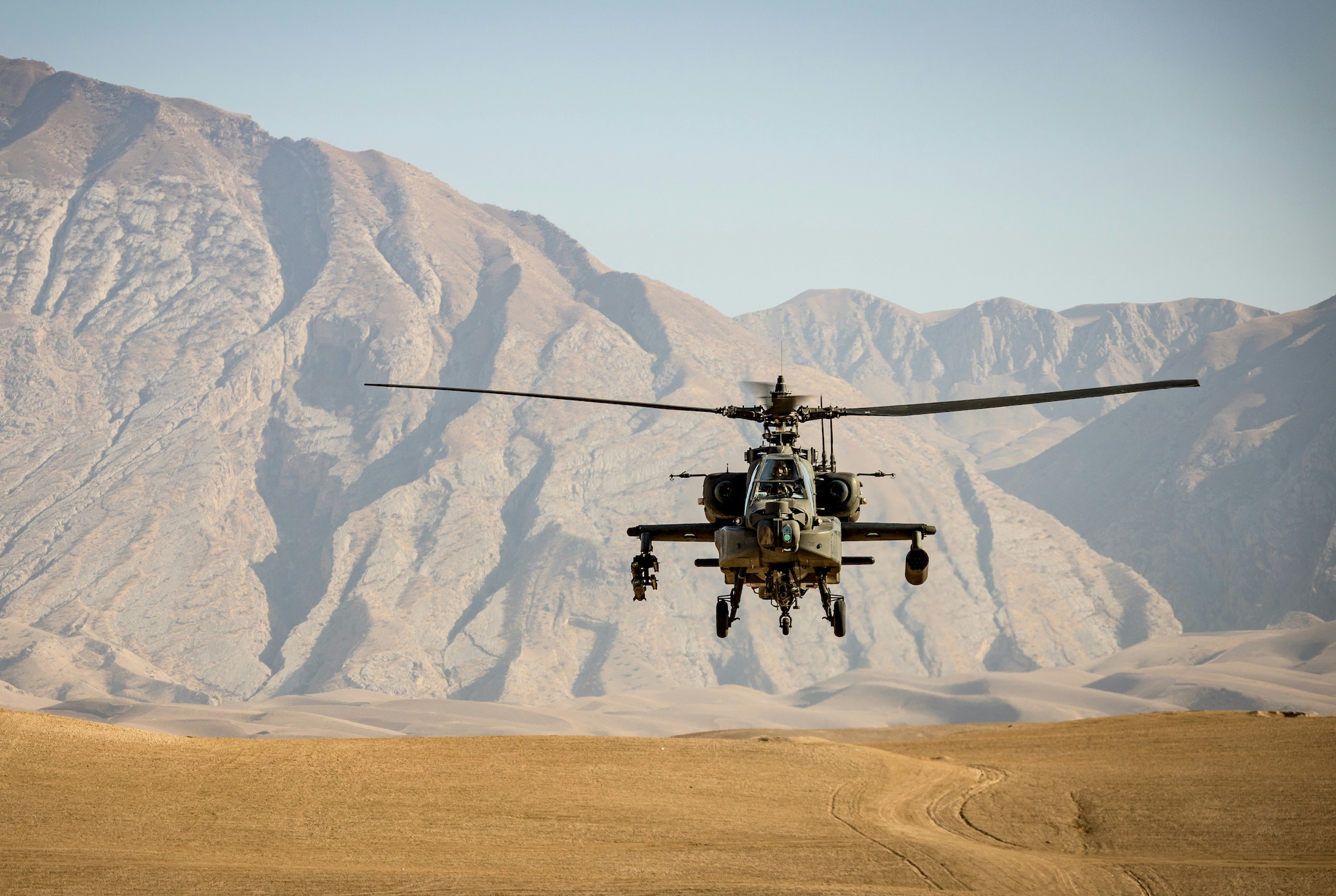 Military helicopter; image by Andre Klimke, via Unsplash.com.

About Bazoom Group
At Bazoom Group, we work with all kinds of customer requests and will tailor our services to perfectly match your needs. We deliver a full-service link building experience, including the choice of back links, content creation and content publication. We offer a free-access platform, but also value personal and long-lasting customer relationships with both our clients and media. Our areas of expertise include link building, content creation, media relations and administration, to secure the best all-round experience for you. We value our partners that contribute to our business as well.