
Breaking Down Bail: Everything You Need to Understand the Bail Bond Process
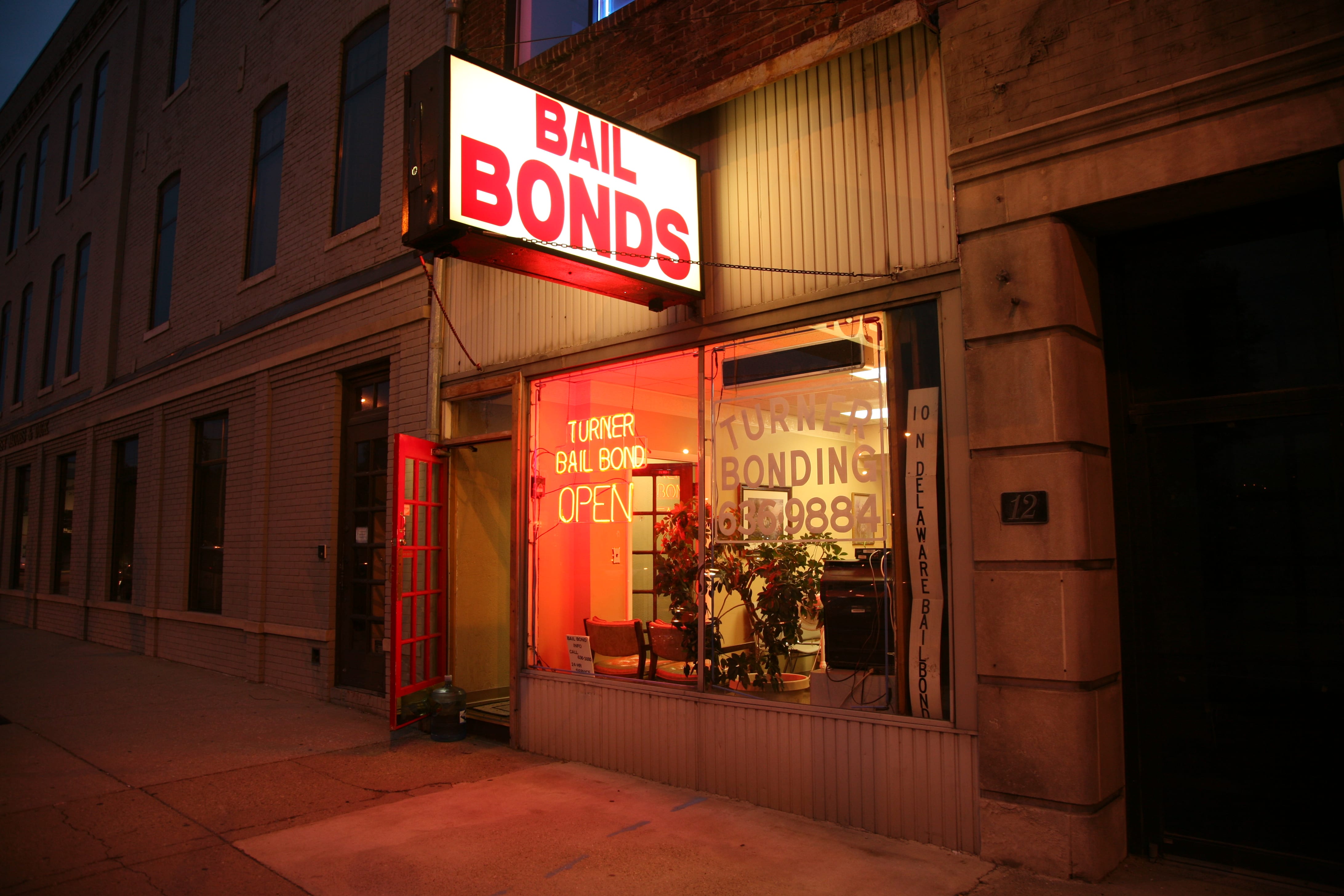
Breaking Down Bail: Everything You Need to Understand the Bail Bond Process
In a situation where a loved one is suddenly behind bars, the concept of bail bonds often becomes a pressing concern. Understanding what bail is, how it works, and its implications can alleviate stress and confusion during these trying times. This blog post aims to break down the intricacies of the bail bond process, offering you clear insights to help you make informed decisions.What Are Bail Bonds?Bail bonds are surety bonds provided by a bail bondsman or bail bond agent. This service is typically employed when the defendant cannot pay the full bail amount upfront. The bail bondsman covers the bail in exchange for a fee, usually around ten percent of the total bail amount.The Role of a Bail BondsmanA bail bondsman provides the funds needed to release a defendant from jail. In return for this service, the defendant pays a non-refundable fee, typically ten percent of the bail amount. This transaction allows the defendant to await trial outside of jail without paying the full bail amount.Responsibilities of the Bail BondsmanA bail bondsman ensures the defendant's appearance in court. They may employ bounty hunters to track down defendants who skip bail. Bail bondsmen also provide support and reminders to defendants about upcoming court dates to prevent forfeiture.Collateral and IndemnityIn cases where the bail amount is substantial, the bail bondsman might require collateral. Collateral can include property, vehicles, or other valuable assets. An indemnitor, usually a friend or family member, may also co-sign the bail bond agreement, taking responsibility if the defendant flees.Types of Bail BondsThere are several types of bail bonds available, each serving different purposes. Understanding these variations helps in choosing the appropriate one for each situation.Surety BondsSurety bonds are the most common type of bail bond. They involve a contractual agreement among the bail bondsman, the defendant, and the court. The bondsman guarantees the defendant's appearance in court.Property BondsProperty bonds involve using real estate as collateral. The court places a lien on the property equal to the bail amount. If the defendant fails to appear, the court can foreclose on the property to recover the bail amount.Federal BondsFederal bonds are used in federal cases and are typically more expensive and complex than state bonds. These bonds require extensive documentation and often involve higher premiums due to the increased liability.How Bail Amounts Are DeterminedDifferent factors influence the amount set for bail. The judge considers the severity of the crime, the defendant's criminal history, and their risk of fleeing. Additionally, the judge assesses whether the defendant poses a threat to the community.Risk AssessmentJudges use risk assessment tools to determine the likelihood of a defendant committing another crime or failing to appear in court. These assessments consider various factors, including the defendant's age, employment status, and prior criminal record.Severity of the CrimeMore serious crimes usually come with higher bail amounts. For instance, non-violent offenses like petty theft might have lower bail compared to violent crimes like assault or robbery.Defendant's BackgroundA defendant's past behavior plays a crucial role in determining bail amounts. Individuals with clean records and strong community ties might receive more lenient bail conditions than repeat offenders.The Bail Bond ProcessUnderstanding the bail bond process step-by-step ensures you are prepared if the need arises. This process begins with an arrest and ends with the resolution of the case.Arrest and Booking
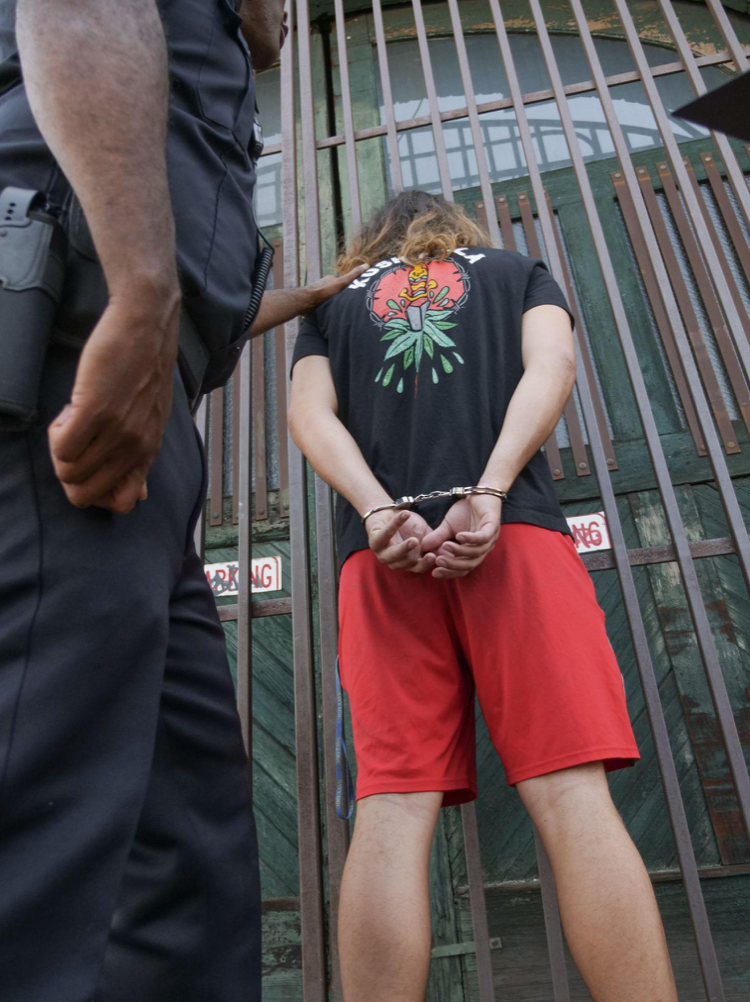 Man in black t-shirt arrested; image by Kindel Media, via Pexels.com.
About Kairi Gainsborough
Kairi is a Minnesota author who picks up freelance work to support her dream of becoming a novelist. She lives in the Twin Cities area with her two cats, Rocky and Damon. Follow her on Twitter and Facebook; @kairigainsboro1, facebook.com/kairi.gainsborough