Excessive Talking May Signal an Underlying Condition

Excessive Talking May Signal an Underlying Condition
It can be easy for many people to begin excessively talking when they feel highly anxious or overwhelmed. If one’s mind is racing, oftentimes words come out without time to engage a filter. However, if speech feels pressured and excessive talking is something a person does every time they find themselves in conversation with others, this could be a sign of an underlying mental health condition such as bipolar disorder, autism or attention-deficit hyperactivity disorder (ADHD). Understanding that this is what’s making interactions difficult can mean finding proper treatment to manage symptoms and more easily build meaningful relationships with others.Attention-deficit hyperactivity disorder is a neurodevelopmental disorder that presents with symptoms of hyperactivity, impulsivity, and inattention. One of the most challenging symptoms of ADHD is impulsive speaking, which can lead to social difficulties and, thus, a lack of self-confidence. Other symptoms of ADHD include forgetfulness, disorganization, fidgeting, and interrupting others. Because all of these symptoms can make relationship building tough, those with ADHD commonly harbor feelings of loneliness and being misunderstood.Bipolar disorder presents both with episodes of depression and hypomania or mania. During manic episodes, individuals can struggle with what’s referred to as “pressured speech.” It’s termed this way, because it seems as if an individual cannot get their words out fast enough and commonly involves impulsive verbal interactions without cease. Pressured speech can also cause difficulty communicating effectively and excessive talking can lead to misunderstandings. Individuals experiencing full-blown mania also tend to engage in risky behaviors, experience delusions, and even lose touch with reality altogether, which can lead to profound legal, financial and relationship troubles.
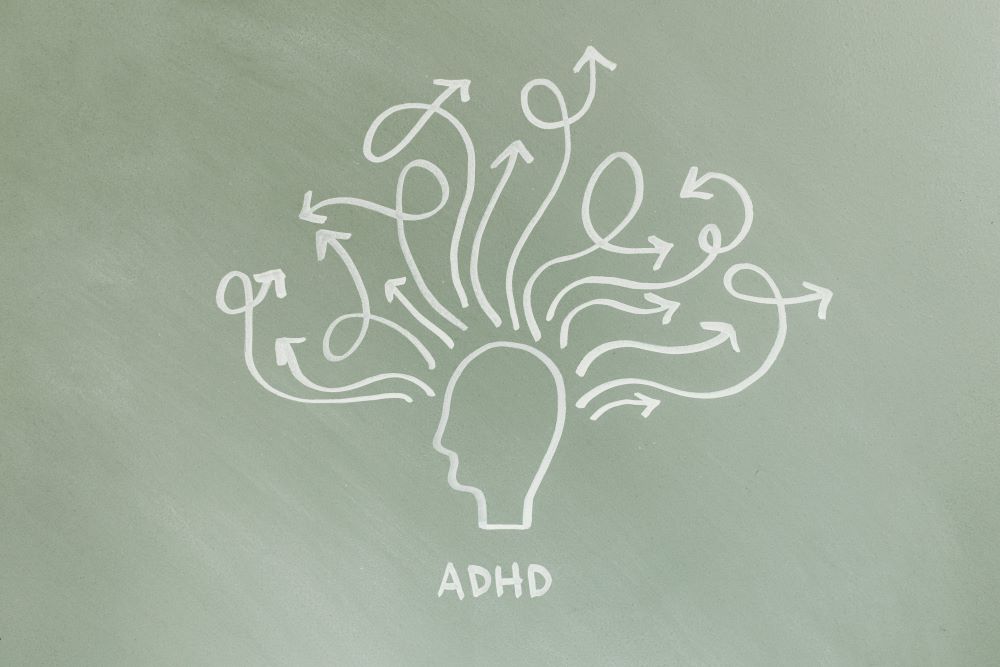 Photo by Photo by Tara Winstead from Pexels from Pexels
Sources:
Overtalking may signal a mental health conditionExcessive Talking: Causes, Types, Social Strategies
About Sara E. Teller
Sara is a credited freelance writer, editor, contributor, and essayist, as well as a novelist and poet with nearly twenty years of experience. A seasoned publishing professional, she's worked for newspapers, magazines and book publishers in content digitization, editorial, acquisitions and intellectual property. Sara has been an invited speaker at a Careers in Publishing & Authorship event at Michigan State University and a Reading and Writing Instructor at Sylvan Learning Center. She has an MBA degree with a concentration in Marketing and an MA in Clinical Mental Health Counseling, graduating with a 4.2/4.0 GPA. She is also a member of Chi Sigma Iota and a 2020 recipient of the Donald D. Davis scholarship recognizing social responsibility. Sara is certified in children's book writing, HTML coding and social media marketing. Her fifth book, PTSD: Healing from the Inside Out, was released in September 2019 and is available on Amazon. You can find her others books there, too, including Narcissistic Abuse: A Survival Guide, released in December 2017.