Experts Fear Xylazine Users Won't Get Help Due to Shame
Experts Fear Xylazine Users Won't Get Help Due to Shame
America's opioid crisis, once a seemingly singular nightmare, has morphed into a gruesome hydra, each head more unpredictable and deadly than the last, even with more people willing to get help. At the forefront of this chilling evolution stands xylazine, a powerful animal tranquilizer now lacing street drugs with devastating consequences.According to a recent investigative report, this insidious substance, also known as "tranq," doesn't just heighten the effects of opioids like fentanyl and cocaine; it extends their grip, knocking users out for hours and making them harder to revive. The true horror, however, lies in the wounds it leaves behind – festering, rotting sores that can lead to amputation and even death.Experts say that fear and stigma keep many users from seeking medical help. The shame of addiction and the agonizing withdrawal, amplified by xylazine's presence, drive them to self-treatment or reliance on harm reduction workers. Though valiant in their efforts, nurses and aid workers can only do so much. Treating these wounds as they would burns offers some temporary relief, but without addressing the underlying xylazine use, the wounds return, a cruel cycle of pain and decay.“We all cringe a little bit when people talk about the opioid crisis or the fentanyl crisis,” Eric Dawson, vice president of clinical affairs at Millennium Health, a San Diego-based laboratory that tests urine samples for drugs, said. “There are other co-stars.”
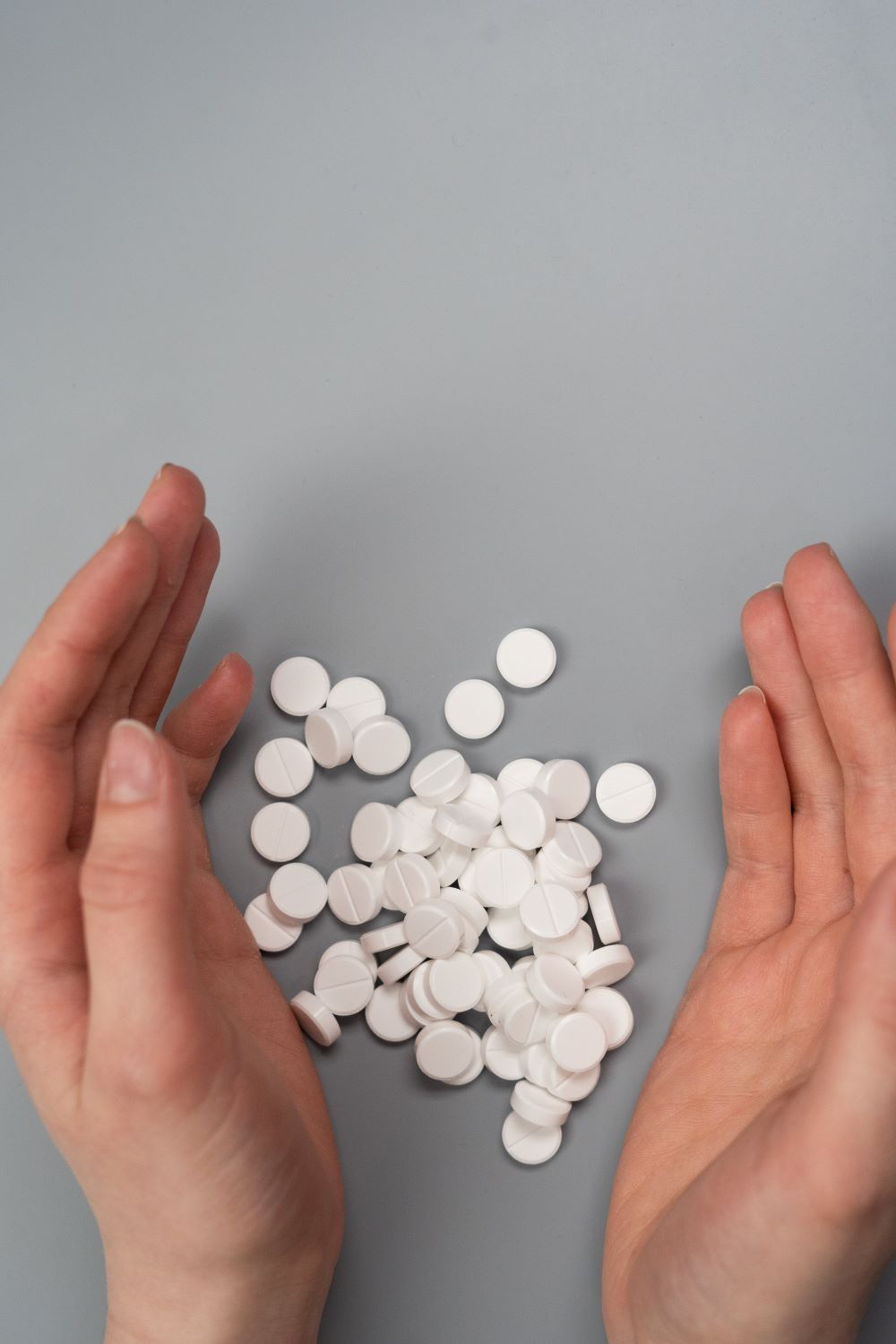
 Photo by Anna Shvets from Pexels
Sources:
Flesh-rotting Tranq Ushers in a Darker Era in the Opioid CrisisXylazine, a new scourge in the drug addiction crisis
About Sara E. Teller
Sara is a credited freelance writer, editor, contributor, and essayist, as well as a novelist and poet with nearly twenty years of experience. A seasoned publishing professional, she's worked for newspapers, magazines and book publishers in content digitization, editorial, acquisitions and intellectual property. Sara has been an invited speaker at a Careers in Publishing & Authorship event at Michigan State University and a Reading and Writing Instructor at Sylvan Learning Center. She has an MBA degree with a concentration in Marketing and an MA in Clinical Mental Health Counseling, graduating with a 4.2/4.0 GPA. She is also a member of Chi Sigma Iota and a 2020 recipient of the Donald D. Davis scholarship recognizing social responsibility. Sara is certified in children's book writing, HTML coding and social media marketing. Her fifth book, PTSD: Healing from the Inside Out, was released in September 2019 and is available on Amazon. You can find her others books there, too, including Narcissistic Abuse: A Survival Guide, released in December 2017.