
Experts Worried about Animals after Avian Influenza Detected
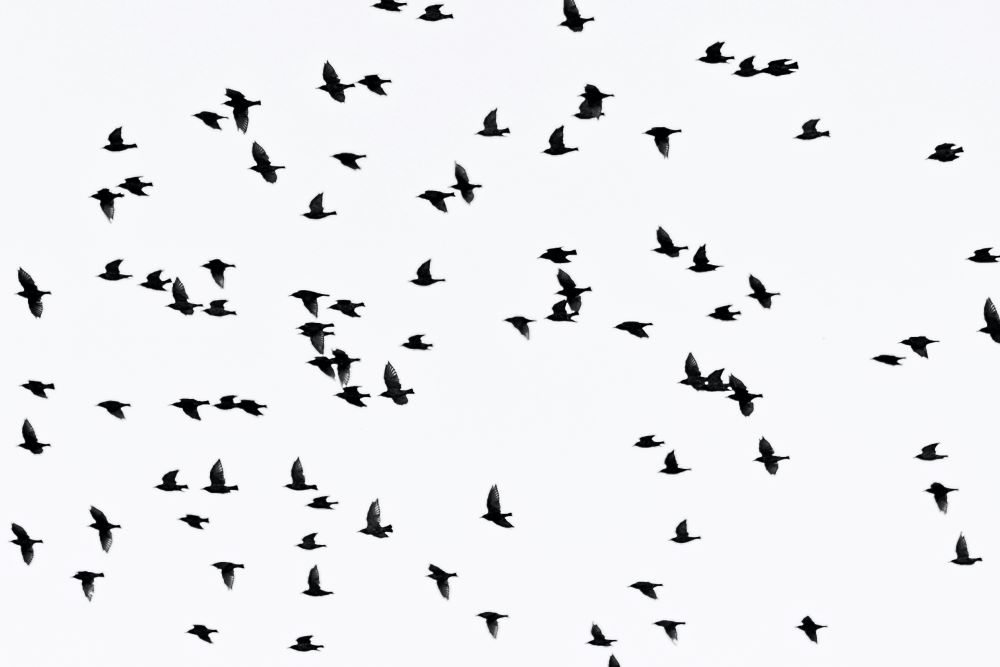
Experts Worried about Animals after Avian Influenza Detected
The Massachusetts Department of Agricultural Resources (MDAR) recently issued a warning regarding the detection of highly pathogenic avian influenza, commonly known as bird flu, in the state. The presence of avian flu was confirmed in a non-commercial, mixed-species backyard flock located in Essex County, signaling potential risks to both domestic and wild bird populations.According to MDAR officials, the affected birds in the backyard flock exhibited sudden deaths, without displaying other typical clinical signs associated with avian flu. Samples taken from the flock tested positive for the disease, prompting swift action from animal health authorities. In response to the detection, the flock was depopulated and disposed of as a precautionary measure to contain the spread of the virus.In light of the avian influenza detection, MDAR emphasizes the importance of implementing robust biosecurity measures, especially for backyard and commercial poultry owners. The virus, known to circulate in wild bird populations, particularly wild waterfowl, poses a significant threat to domestic poultry. MDAR advises poultry owners to prevent their birds from coming into contact with wild birds, feathers, and droppings, which could serve as potential sources of infection.
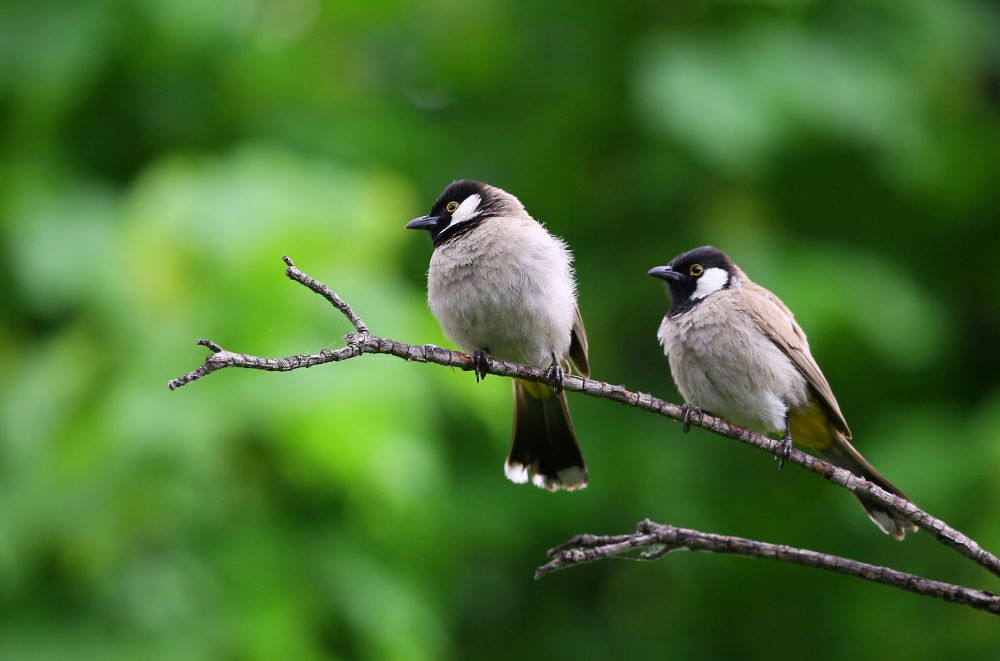 Photo by Daniyal Ghanavati from Pexels
Transmission
Human infections with avian influenza typically occur through direct or indirect exposure to infected birds or their secretions, such as respiratory droplets or feces. Individuals who handle infected poultry, participate in bird culling activities, or work in live poultry markets are at higher risk of exposure to the virus.Symptoms
The symptoms of avian influenza in humans can range from mild to severe and may include:Fever,
Cough,
Sore throat,
Muscle aches,
Difficulty breathing, and
In severe cases, avian influenza can lead to acute respiratory distress syndrome (ARDS), organ failure, and death.
Sources:
Animal health officials warn of avian influenza detection in MassachusettsAvian Influenza Virus (H5N1): a Threat to Human HealthAvian flu found in Massachusetts
About Sara E. Teller
Sara is a credited freelance writer, editor, contributor, and essayist, as well as a novelist and poet with nearly twenty years of experience. A seasoned publishing professional, she's worked for newspapers, magazines and book publishers in content digitization, editorial, acquisitions and intellectual property. Sara has been an invited speaker at a Careers in Publishing & Authorship event at Michigan State University and a Reading and Writing Instructor at Sylvan Learning Center. She has an MBA degree with a concentration in Marketing and an MA in Clinical Mental Health Counseling, graduating with a 4.2/4.0 GPA. She is also a member of Chi Sigma Iota and a 2020 recipient of the Donald D. Davis scholarship recognizing social responsibility. Sara is certified in children's book writing, HTML coding and social media marketing. Her fifth book, PTSD: Healing from the Inside Out, was released in September 2019 and is available on Amazon. You can find her others books there, too, including Narcissistic Abuse: A Survival Guide, released in December 2017.