
Going to the ER After a Car Accident: What You Need to Know

Going to the ER After a Car Accident: What You Need to Know
Emergency rooms provide immediate medical attention for victims in a critical health conditions or with health concerns. Even if you feel well after a car accident, you need a medical checkup since some injuries may not show externally. A medical professional can order a more detailed test to identify the injuries. An early diagnosis can also lead to a faster recovery time.Report All the Symptoms to the DoctorYou must report all your symptoms to the medical staff, including all the minor ones. Minor pains and aches can sometimes indicate serious injuries. Therefore, your doctor needs to know all the symptoms to diagnose correctly.Your doctor may order X-rays and blood tests, and you must wait until the results are available. The physician may extend your stay to keep your symptoms under observation. Follow your doctor's recommendations to the best of your ability.Read Everything and Be Careful with Your StatementsThe hospital will give you many documents to sign when seeking treatment in the ER. Therefore, you need to read through the documents carefully before signing anything.If your injuries prevent you from reading any documents, it’ll be wise for you to ask the person to wait until you are clear of mind. Additionally, it would help if you asked for clarification where necessary.Everything you say gets recorded in your medical report, including the statements about the accident. It is essential not to admit fault for the accident but rather keep your conversation directed toward your injuries and symptoms. Admitting fault will directly impact your efforts to claim compensation for the injuries you suffered in the crash.Keep Medical Records and PhotographsFailing to visit the ER or getting documentation on the day of the injury can make it hard for you to get the car accident injury claim. Moreover, in the ER, someone must photograph your visible injuries. The other party may argue that there is no way to determine whether the injury is from the accident or the past if you do not have clear evidence.
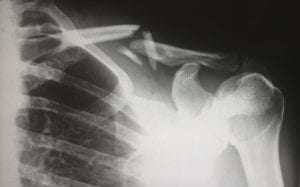 Image by Harlie Raethel, via Unsplash.com.
The cost of past and future medical care and treatment
The cost of personal care or assistance with the activities of daily living
Past and future loss of income, including a decrease in the income
Disfigurements, permanent impairment, and even disabilities
Emotional, physical, mental pain and suffering
Loss of enjoyment of life and a decrease in quality of life

About Crystal A. Davis
Crystal A. Davis was born into a family of attorneys and was raised with a strong sense of justice. During her high school years, she developed a passion for journalism and decided to combine this with her knowledge of the law. She realized that she can make her voice heard to the masses through legal journalism. Crystal is honored to follow and report on any legal case. She shares her analysis in reader-friendly articles. However, over the years, she has become a strong advocate for VA rights and made it her mission to help veterans seek justice.