
Government Should Act Like a Business?
Government Should Act Like a Business?
It was one of the rallying cries of the recent election season, and so many others. Government, folks say, should act like a business. Businesses are inherently better and more efficient, and gosh darn it, people like them. That's one reason Americans hired a “successful” businessman to turn government around. All of this sounds really reasonable, too, if you don't think too much about the details. Unfortunately, those details are where the proverbial devil resides.If you believe that the only way businesses stay profitable is by providing something valuable that customers are willing to pay for, it's easy to overlook the less savory ways that businesses stay afloat. In reality, businesses often profit by shifting costs onto others while pocketing the profits. One way is by pitting cities or states (or even countries) against each other, seeing who will provide the best tax breaks for companies willing to move there. (This means that the people there subsidize the company either by paying more in taxes or by accepting fewer government services, like pothole repair or clean water.)Another way businesses externalize costs is by manufacturing a product that they sell for profit, but not using a portion of that profit to clean up the mess caused by their manufacturing processes. Eventually the company goes out of business or declares bankruptcy, washing its hands of its moral responsibilities. (Perhaps this is why amorality is a feature, not a bug, to some folks. “Just business, nothing personal” - indeed.) This is why we (used to) have Superfund money to clean up places like the former site of the Velsicol Chemical Company in St. Louis, Michigan. We have the choice to live with toxins left behind (and the health problems they cause), or we can take on the burden of cleaning them up. Although this ends up being a kind of subsidy for polluters, sometimes taking a hit in the pocketbook beats watching your family die of cancer.Right-leaning politicians also push tort “reform” as another way for companies to externalize costs. When businesses cause injuries due to faulty products or general irresponsibility, they ought to make the sufferers whole again. Even when settlements are won in court, like the Montana asbestos decision handed down this month, the award may be too small to fully address the situation. To act like a business is often to delay, deny, cover up, lobby, litigate, and externalize.
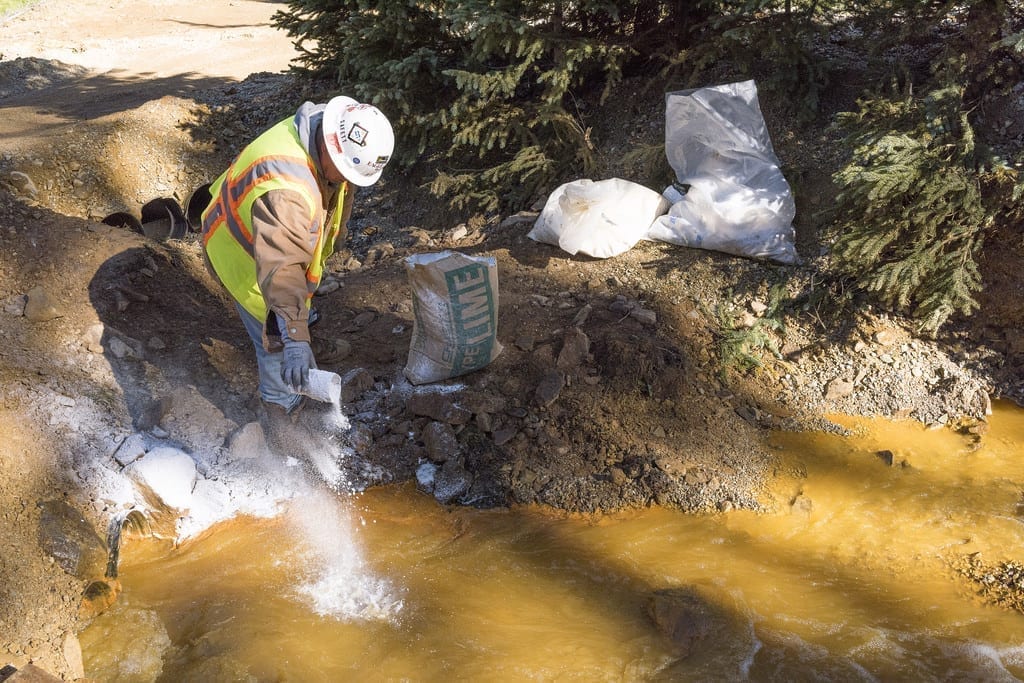
 Libby, Montana, where an asbestos-bearing vermiculite mine spawned thousands of lawsuits from mine workers and their families. Photo courtesy of the US EPA, via Flickr.
Sources:
What's the fate of one of the largest pollution cleanup projects in Michigan?
Montana Asbestos Mine Settlement Little Comfort to Future Victims
East Lansing wants mercury, asbestos suit thrown out
EPA rejects $1.2B in claims from Gold King Mine spill
EPA won't pay claims in mine spill that released 3M of gallons of toxic water
UNBELIEVABLE. EPA Refuses To Pay Claims In Mine Spill, Hides Behind Tort Law
Outraged Westerners look to Trump after Obama’s EPA refuses to pay claims from Gold King Mine spill
Moon Express Reaches Finals In Google Lunar Xprize Competition
About Dawn Allen
Dawn Allen is a freelance writer and editor who is passionate about sustainability, political economy, gardening, traditional craftwork, and simple living. She and her husband are currently renovating a rural homestead in southeastern Michigan.