
Hit and Run: Understanding Your Rights as a Victim
Hit and Run: Understanding Your Rights as a Victim
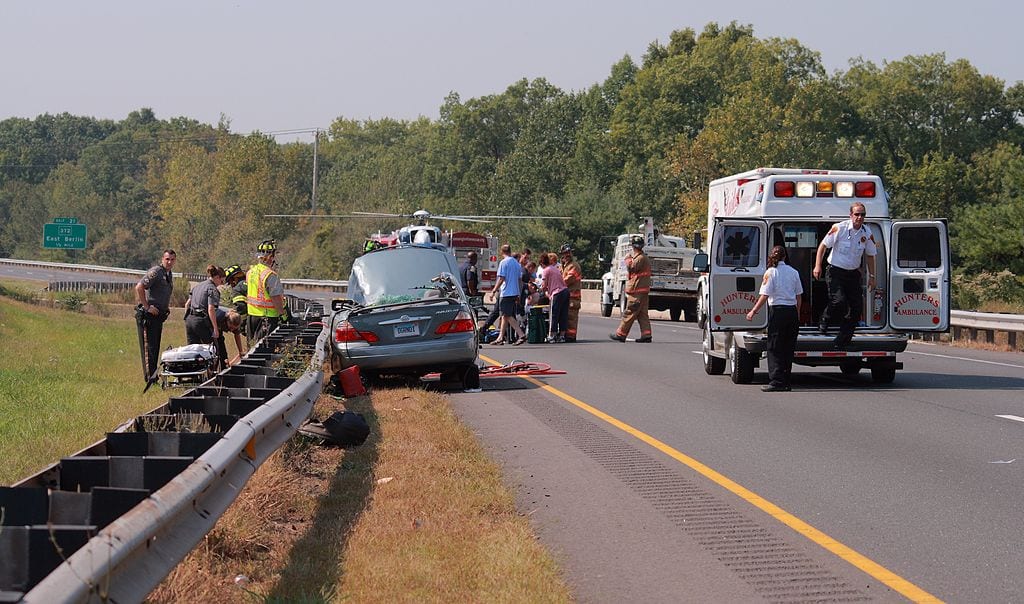
Road accidents are always unfortunate as they cause injuries and property damage in most cases. Some situations can be even worse, like hit and run incidents where the guilty party flees the scene to avoid liability. The experience can be traumatic for the victim, particularly when there is no one around to get help and treatment for them. Help comes only when someone arrives at the scene, and the negligent driver is nowhere to be spotted by then. As a victim, you would want to know about your rights to compensation when the other party is absconding. After all, you will have doubts regarding your damages when you do not even know the identity of the driver at-fault. Specifics of hit and runBefore understanding your rights as a victim, you need to know the specifics of these mishaps. These accidents happen when a moving car crashes into a pedestrian, cyclist, a non-moving vehicle, or a still object or property and the driver subsequently flees the scene. If the accident involves a pedestrian, cyclist, or a vehicle with occupants, it is regarded as an act of felony by law. On the other hand, it is considered as a misdemeanor of a non-moving vehicle or another form of property is on the receiving end. Felony is obviously a more serious instance as it involves people who are injured in the mishap. Civil chargesAs a victim of hit and run, you have the right to sue the offender for claiming compensation for the damages. The process is similar to the conventional personal injury lawsuits if you know the identity of the guilty driver. However, the case can get complicated if you do not know the driver’s identity, which often happens in the hit and run accident lawsuits. In such instances, you can consider naming another defendant in the lawsuit. It can be someone who has a role in the mishap and varies from case to case. For example, you can file against a third-party driver, a negligent mechanic, an automaker or part manufacturer, a taxi or trucking company, or an employer. A majority of states impose treble damages on the offender, while insurance companies may cancel automobile insurances for such offenders.
 Handcuffs and key sitting on fingerprint card; image by Bill Oxford, via Unsplash.com.
About Derek Hanson
Derek Hanson has worked with some of the world's leading content agencies. Currently working as a lead content analyst, he has helped thousands of readers with his profound knowledge in the field.