
Strand by Strand: Holding Products Accountable for Hair Treatment Harm
Strand by Strand: Holding Products Accountable for Hair Treatment Harm
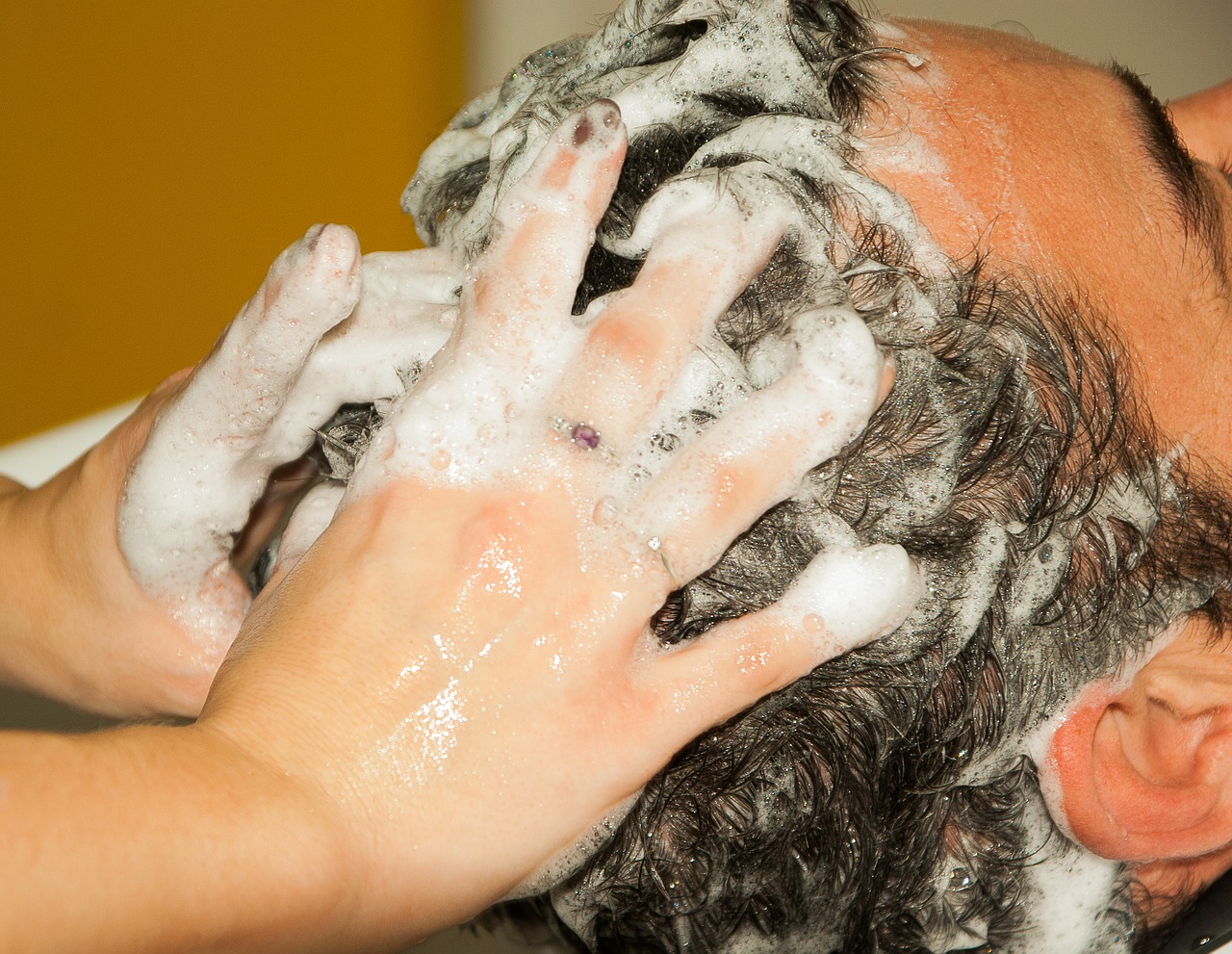
Embarking on the journey toward flawless locks, many individuals dive into a plethora of hair treatments and products, each promising marvels, whether it's achieving sleek straightness or bouncing curls. However, intertwined with these lofty promises often lurk detrimental consequences, spanning from hair damage to scalp irritation. In recent times, a mounting apprehension has surfaced regarding the safety and liability of hair treatment products. This article delves into the risks entailed by these products, the regulatory maze governing their usage, and the measures consumers can employ to safeguard themselves.Unraveling the HazardsHair treatment products encompass an extensive spectrum of formulations, ranging from relaxers and dyes to perms and styling agents. While these concoctions aspire to metamorphose the appearance and texture of hair, they frequently harbor potent chemicals capable of inflicting serious health hazards. For instance, myriad relaxers and straightening treatments boast ingredients like sodium hydroxide or formaldehyde, notorious for instigating chemical burns, hair breakage, and in severe cases, hair loss, if mishandled.Moreover, hair dyes often contain substances such as ammonia and paraphenylenediamine (PPD), notorious for eliciting allergic reactions and skin sensitization. The lax regulation and oversight prevailing in the beauty industry have paved the way for these deleterious ingredients to persist in products, imperiling consumers with a spectrum of adverse health ramifications.Navigating the Regulatory LabyrinthResponding to the escalating concerns regarding the safety of hair treatment products, regulatory bodies worldwide have instituted diverse measures to shield consumers. In the United States, the Food and Drug Administration (FDA) presides over the regulation of cosmetics, including hair care products, under the Federal Food, Drug, and Cosmetic Act. However, in stark contrast to drugs, cosmetics circumvent the prerequisite of FDA approval before gracing the consumer market.Instead, cosmetic manufacturers shoulder the onus of ensuring the safety of their products, absolved from the obligation to divulge all ingredients on product labels. This opaqueness compounds the challenge for consumers striving to make informed choices concerning the products they apply to their hair and skin. Furthermore, the FDA's jurisdiction over cosmetics is circumscribed, and its capacity to execute pre-market testing on every product remains wanting.Demanding Accountability and Empowering ConsumersIn light of these regulatory crevices, consumers find themselves compelled to adopt proactive measures to shield themselves from the perils posed by hair treatment products. One stratagem entails acquainting oneself with the prevalent harmful ingredients lurking in these products and meticulously scrutinizing product labels before making a purchase. Vigilantly seek out products devoid of harsh chemicals such as sulfates, parabens, and phthalates, known culprits for depleting the hair's natural oils, fostering dryness, and precipitating breakage.Furthermore, contemplate embracing natural or organic hair care alternatives, crafted with botanical constituents, less prone to instigate adverse reactions. Additionally, conduct reconnaissance on brands prioritizing safety and transparency in their manufacturing protocols, ardently championing the utilization of ethically sourced ingredients.Pursuing Legal Redress
 Gavel on white marbled background; image by Tingey Injury Law Firm, via Unsplash.com.

About Leland D. Bengtson
As a journalist, Leland D. Bengtson dedicated most of his career to law reporting. He aims to draw in the public and make people more interested in the field. He is active on multiple platforms to increase his outreach to the public. Leland tirelessly covers all types of legal issues, but he has a personal preference for medical malpractice. This is mainly because he witnessed the implications of medical malpractice on a family member.