
Oh My, Look What the Cat 4 Dragged In
Oh My, Look What the Cat 4 Dragged In
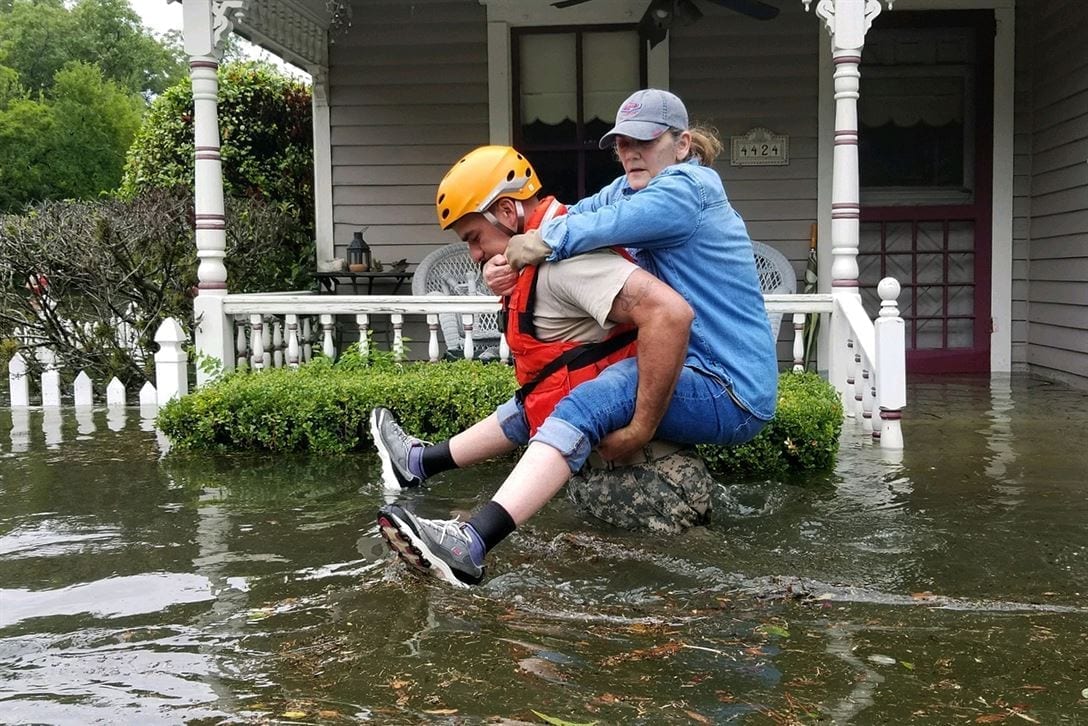
With the recent landfall of hurricanes Harvey and Irma, the United States marked an important and frightening milestone. In 166 years of weather recordkeeping, this is the first time two Category 4 Atlantic hurricanes made landfall during the same year. With winds ranging from 130-156 miles per hour, Category 4 hurricanes pack a destructive punch. Nowadays, though, the dangerous effects of such large storms don't blow away with the weakening winds. Some of it is our own fault, and it's fouling Houston floodwater and air long after Harvey blew out of town.Even before the industrial era, deadly hurricanes destroyed homes and sank ships. A Category 4 that hit Galveston in 1900, killing 6,000-12,000 people, is considered the deadliest storm in American history. The Galveston storm awakened the Weather Bureau (the 10-year-old precursor to the National Weather Service) to the need for better communication about weather tracking and prediction. In 1900, however, the Texas oil industry was still in diapers. Spindletop wouldn't start gushing oil until January of 1901, kicking into high gear the industry that would poison Houston floodwater more than a hundred years later.As Harvey battered the Texas gulf coast and Houston floodwater started to rise, what gushed through the streets and seeped into peoples' homes wasn't the same water as they might have expected in 1900. According to a report by the New York Times, which sponsored independent testing of the Houston floodwater by teams from Baylor Medical College and Rice University, the water is contaminated by E. coli bacteria and toxic industrial chemicals.E. coli, which came from fecal matter flushed out of the sewage treatment system by the Houston floodwater, was found to be scandalously plentiful, especially inside homes where the warm water festered for days. Residents also came down with mysterious rashes and infections near places where the skin was broken by cuts or blisters. Because local authorities haven't been particularly thorough in notifying Houston area residents about potential contamination, residents have been wading into long-flooded homes to salvage belongings and kids are splashing around in the Houston floodwater for fun, despite the danger.The children have also been playing in “sand,” or at least what looks like sand. It's sludge sediment, containing lead, arsenic, and other toxic heavy metals, washed into homes by the flooding.It's not just E. coli and lead, either. Houston floodwater is chock full of all the insecticides, weed killer, and other household chemicals that people kept in their cabinets and garages, but which was set free to flow and mingle by Hurricane Harvey.
 Hurricane Harvey flooding and damage; photo by Jill Carlson (jillcarlson.org), CC BY 2.0, via Wikimedia Commons, no changes made.
Sources:
Hurricanes Irma and Harvey Mark the First Time Two Atlantic Category 4 U.S. Landfalls Have Occurred in the Same YearHow the Galveston Hurricane of 1900 Became the Deadliest U.S. Natural DisasterIndependent Monitors Found Benzene Levels After Harvey Six Times Higher Than GuidelinesHouston’s Floodwaters Are Tainted, Testing ShowsE. Coli As High As 135 Times The Safe Limit Discovered In Houston Homes As Residents Return After HarveyU.S. Air Force Is Spraying 6 Million Acres With Chemicals in Response to HarveyPost-Harvey aerial mosquito spraying set for Thursday nightEPA to potentially close lab in Houston, despite Harvey raising contamination worriesHow Houston’s Growth Created the Perfect Flood ConditionsHarvey’s Poorest Victims Will Never Rebuild. They’re Getting Evicted.
About Dawn Allen
Dawn Allen is a freelance writer and editor who is passionate about sustainability, political economy, gardening, traditional craftwork, and simple living. She and her husband are currently renovating a rural homestead in southeastern Michigan.