
How a Court Reporter can be an Attorney’s Secret Weapon
How a Court Reporter can be an Attorney’s Secret Weapon
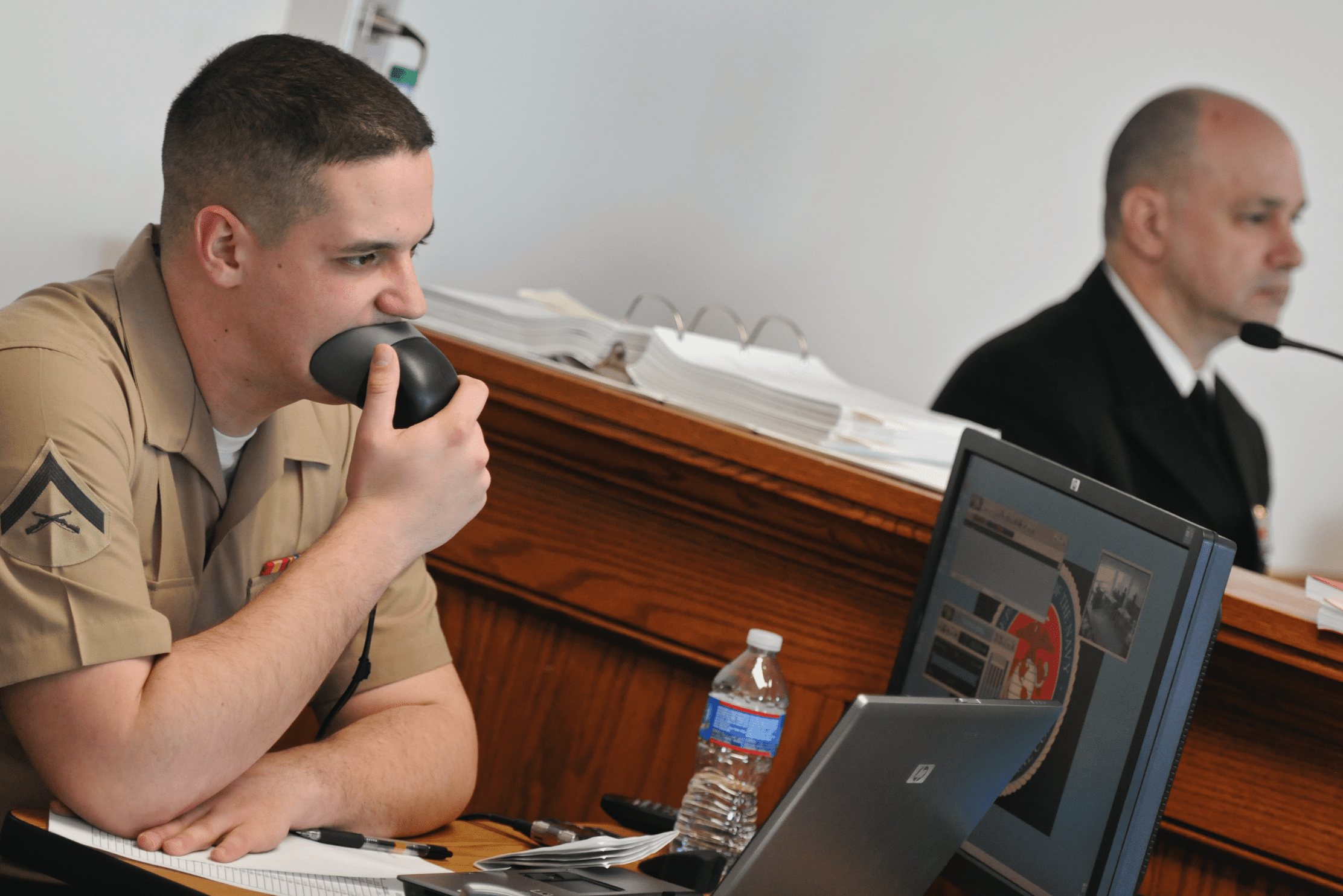
We’ve all seen movies with dramatic courtroom showdowns. In many cases, the court reporter reads back testimony providing a “gotcha” statement that turns out to be the story’s climax. While real court cases seldom play out so compellingly, the work of court reporters is often the turning point of a case. On the surface, these highly trained, highly skilled professionals work to ensure accurate documentation of a courtroom proceeding. As we’ll soon discuss, this plays an integral role in the trial’s outcome more often than you might expect.What a Court Reporter DoesCourt reporters Seattle are trained in stenography, the practice (or art) of providing real-time transcriptions of dictation or testimony. They use an efficient shorthand that allows them to truncate words, phrases, and sentences to ensure speedy availability of transcripts for the court record. Code of EthicsThe National Court Reporters Association is an organization to which many successful court reporters belong. This governing body sets a standard code of ethics for court reporters that emphasizes impartiality and focus on the objective task. Those who are members are trained and expected not to show favor to either party in a case, and to maintain a neutral, professional demeanor, not betraying any personal opinions or bias relating to the testimony being given.Reading Back TestimonyWe’ve talked about the functions of a court reporter, now we’ll look at how they can be critical to determining the outcome of the case for either the defense or prosecution. First, let’s examine their duty to read back testimony. If a witness is on the stand for hours or even days facing grueling cross-examination, everything they say is fair game for either side and subject to the utmost scrutiny. After all, they are under oath, providing sworn testimony. This becomes invaluable for attorneys when they can key in on contradictory statements by the witness and ask the court reporter to read back something that may resonate with the jury. These are moments that attorneys live for!Reading DepositionsIn a similar vein, court reporters are often tasked with reading back depositions that were taken prior to the start of the trial. By definition, a deposition is sworn evidence given in the presence of attorneys for use in a courtroom proceeding. This is sometimes done by the witness providing a written statement. In other cases, the witness is deposed by counsel and the testimony is recorded. Generally, the audio recordings are of low quality, and may not resonate with a jury. A savvy attorney, however, may identify an opportune time in a trial for the court reporter to read back the transcript of a deposition. Even though court reporters are trained to provide emotionless, straightforward, objective information, hearing the words out loud live in court has an undeniable effect of jurors.Technology
 Old ad for training as a stenotype operator; image by employees of LSEU, public domain.
About Kevin Gardner
Kevin Gardner graduated with a BS in Computer Science and an MBA from UCLA. He works as a business consultant for InnovateBTS where he helps companies integrate technology to improve performance. He shares his knowledge and expertise not only with his clients, but also with his fellow bloggers and readers.