How Does No-Fault Car Insurance Work?
How Does No-Fault Car Insurance Work?
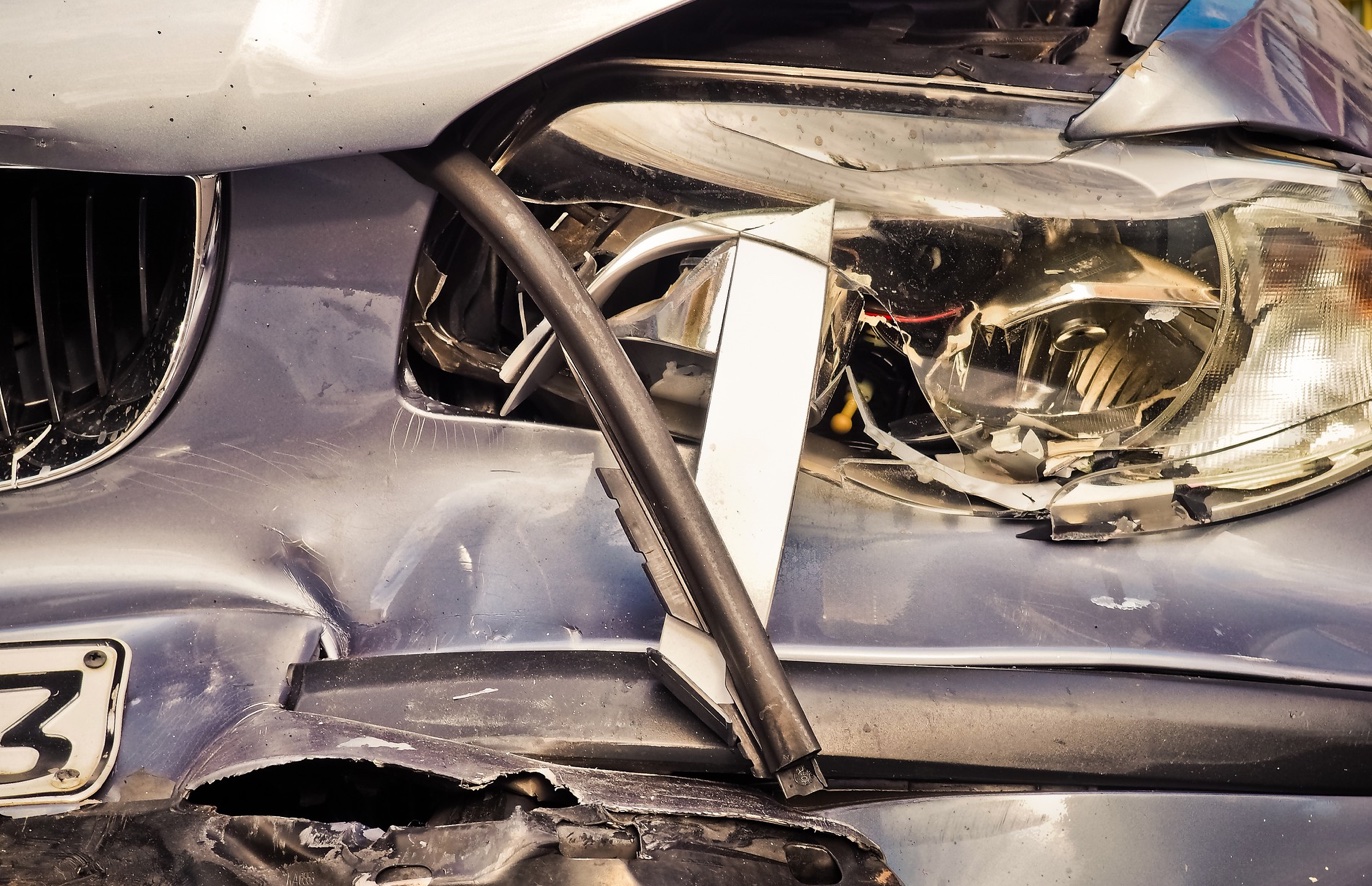
No-fault car insurance, also known as personal injury protection (PIP) insurance, is a type of car insurance that is designed to cover medical expenses and lost wages for you and your passengers in the event of an accident, regardless of who is at fault. In this article, we'll explore how no-fault car insurance works and how it differs from traditional liability insurance.What is No-Fault Car Insurance?No-fault car insurance is a system that is used in certain states to determine how claims are handled following a car accident. Under a no-fault system, each driver's insurance company is responsible for paying their own policyholder's medical expenses and lost wages, regardless of who caused the accident. This is in contrast to a traditional liability insurance system, where the driver who is determined to be at fault is held responsible for the other driver's damages.The main advantage of no-fault insurance is that it can help speed up the claims process and reduce the number of lawsuits filed following an accident. This is because each driver's insurance company is responsible for paying their own policyholder's expenses rather than having to determine who was at fault for the accident.How No-Fault Car Insurance Affects ClaimsWhen you are involved in an accident and have no-fault car insurance, your insurance company will cover your medical expenses and lost wages up to the limits of your policy. However, there are some limitations to this coverage. For example, most no-fault policies limit the amount of medical expenses that will be covered, and some states require a waiting period before benefits can be paid. Additionally, no-fault insurance policies do not cover damages to your vehicle, so you will still need to purchase collision coverage to cover these costs.Another aspect of no-fault insurance is that it limits your ability to sue the other driver for additional damages. In most no-fault states, you can only sue for additional damages if your injuries meet a certain threshold, such as serious or permanent injuries.No-Fault vs. Liability InsuranceOne of the main differences between no-fault and liability insurance is how claims are handled following an accident. Under a liability insurance system, the driver who is determined to be at fault is held responsible for the other driver's damages. This means that the at-fault driver's insurance company will be responsible for paying the other driver's medical expenses, lost wages, and any other damages they may have suffered.In contrast, under a no-fault system, each driver's insurance company is responsible for paying their own policyholder's expenses, regardless of who caused the accident. Coverage LimitsAnother key difference between the two types of insurance is the amount of coverage that is provided. No-fault insurance typically has lower limits on the amount of medical expenses that will be covered and does not cover damages to your vehicle. Liability insurance, on the other hand, will typically provide higher limits on medical expenses and will also cover damages to the other driver's vehicle.Considerations When Reviewing Insurance Options
 Toy car, magnifying glass, paper money sitting on insurance policy; image by Vlad Deep, via Unsplash.com.
About Kerry L. Tucker
Early in his journalism career, Kerry L. Tucker had a revelation: there were not enough experts reporting on law issues. Legal matters are part of daily life. Yet, there seems to be a general aversion towards them. One of the main reasons for this is that the convoluted legal language is difficult for many people to follow. Therefore, he decided to change how the law is perceived by the public. Throughout his career, he met with many people who shared their personal stories with him. Some of these hit him harder. One of the cases that stayed with him and influenced his future career development was a car accident case involving a child. From then on, he decided to zero in on car accident lawsuits.