
How to Be a More Conscious Consumer
How to Be a More Conscious Consumer
Conscious consumerism might seem like nothing more than a trend. Now, more than ever, companies are throwing around words like “sustainable,” “eco-friendly,” and “fair trade.” There’s nothing wrong with that, as long as they aren’t greenwashing or using those words in an unethical way. But, conscious consumerism is more than a trend. In reality, people want to feel good about the businesses they support. The concept of being a conscious consumer is nothing new. The phrase was first introduced in the 1970s and has seen waves of popularity over the years. In today’s fast-paced society, 73% of consumers worldwide say they would change their consumption habits to reduce their impact on the environment. Those habits can change to promote employee safety and wellness, fair wages, and so much more. So, you know that conscious consumerism is here to stay, but do you really know what it is? Once you have a better understanding of the definition, you can learn how to be more conscious about your purchasing choices. What Defines a Conscious Consumer? The first thing that might come to mind when you think of conscious consumerism is choosing to support businesses that take climate change seriously. Or, businesses that focus on sustainability efforts and green practices. That’s true, but conscious consumerism is so much more. It is the practice of changing your purchasing habits to have a positive effect on the environment or economy. Or, supporting businesses that are making a positive social impact. To be a conscious consumer, you might do things like researching different companies and the practices they use in their daily operations. Conscious consumerism is a commitment. It requires you to change your shopping mindset. So, don’t feel pressured into making huge changes all at once. Taking small steps toward better purchasing habits is a great way to start.
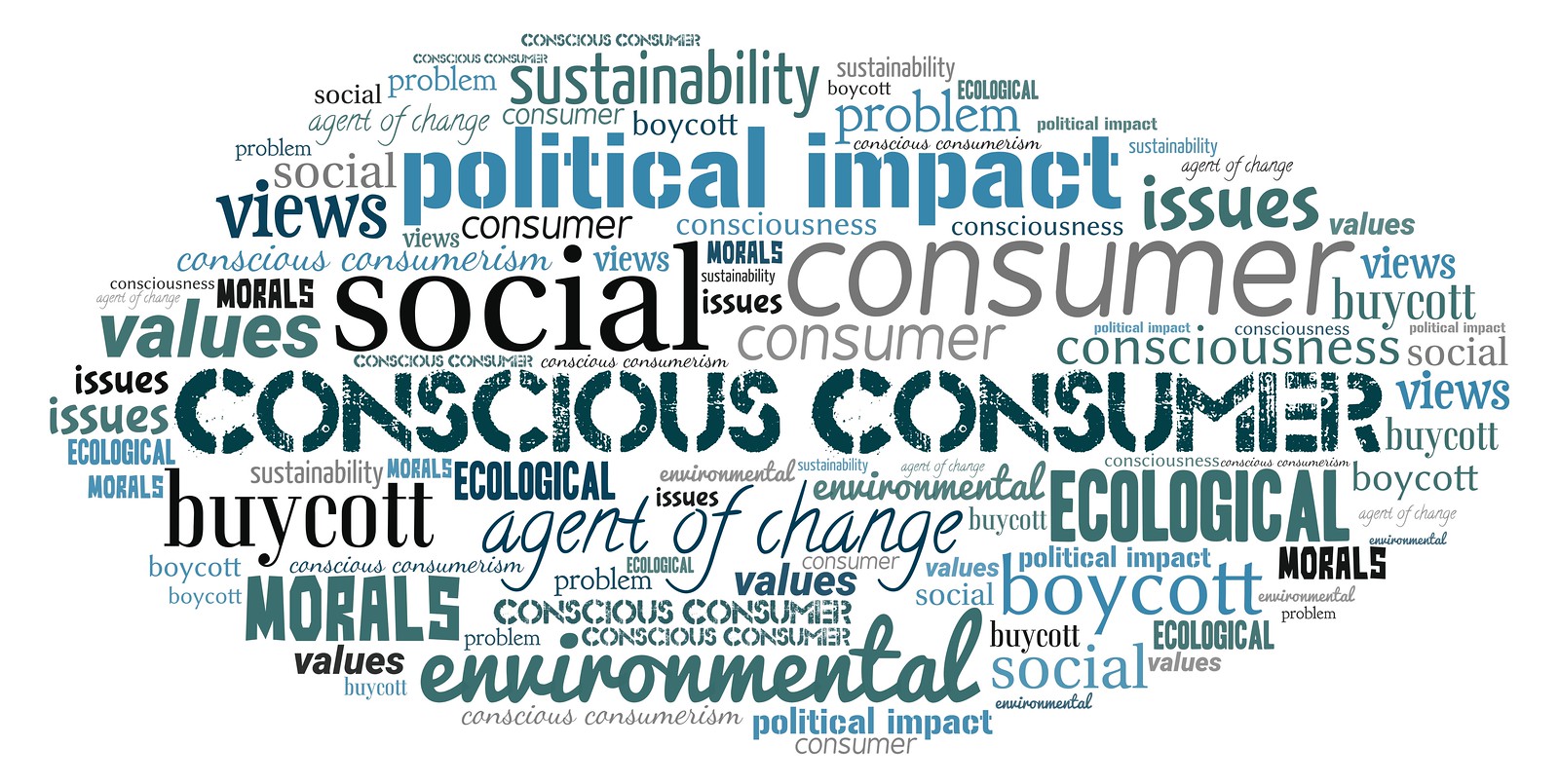 Image credit EpicTop10.com on Wunderstock (license).
They value the opinions of their employees
They have a zero-tolerance policy for harassment and/or violence in the workplace
They respect consumers by listening to feedback
They utilize fair buying practices
They have eco-friendly efforts in place to reduce their carbon footprint
They are working toward a more sustainable future
Less stress
A stronger budget
Increased productivity
It’s easier to stay organized
Better for the environment

About Noah Rue
Noah Rue is a journalist and a digital nomad, fascinated with the intersection between global health, personal wellness, and modern technology.