
How to Handle a Car Accident Claim in New Jersey: Step-by-Step Guide
How to Handle a Car Accident Claim in New Jersey: Step-by-Step Guide
Navigating the aftermath of a car accident in New Jersey can be a complex process, fraught with legal considerations and procedural requirements. Whether a driver is dealing with minor damages or significant injuries, understanding how to properly file a car accident claim is crucial. This guide provides a comprehensive overview of the steps they should take to ensure their claim is handled effectively within the state's legal framework.In New Jersey, the auto insurance system is a no-fault system, meaning that drivers typically turn to their own car insurance coverage first to pay for medical expenses and other losses, regardless of who was at fault for the accident. However, situations may arise where a driver needs to file a claim against the other party involved. It is important for them to be aware of New Jersey's statute of limitations for car accident claims, as well as the state-specific forms and documentation required.The process begins at the scene of the accident, where drivers are advised to collect as much information as possible, including the contact and insurance details from all parties involved and any witnesses. Documentation such as photos of the accident scene, damage to the vehicles, and any visible injuries can be invaluable. Subsequent steps involve reporting the accident to their insurance company, understanding their policy coverage, and possibly consulting with a legal professional to navigate any disputes or complex issues that may arise.Steps to Take Immediately After a Car AccidentThe moments following a car accident are critical for ensuring the safety of all involved and protecting one's legal rights.Assess the SituationFirstly, check for any injuries and confirm if everyone involved in the accident is safe. If the vehicles are causing a road hazard and it is safe to move them, New Jersey law requires drivers to move to the shoulder or as far off the road as possible.Report the AccidentNew Jersey law mandates that a car accident must be reported if it involves injury, death, or significant property damage. Contact the police immediately, as a legal accident report is crucial for any subsequent insurance claims. Mention if medical assistance is needed so that emergency services are dispatched if not already present.Document the Scene and Gather InformationWhen it's safe to do so, gather the following information:
Names and contact information: Collect from all drivers, passengers, and witnesses.
Insurance details: Exchange with other drivers involved.
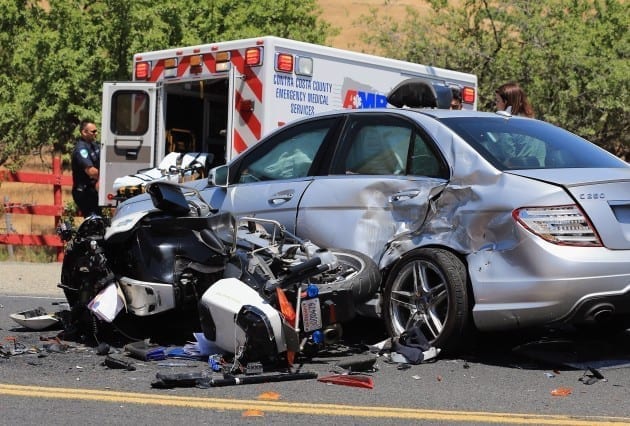
Photos: Take pictures of the accident scene, vehicle damage, and any physical injuries.
Police officers' names and badge numbers: For referencing the accident report.
Note the location and time: New Jersey streets, like those in Bergen Law's jurisdiction, should be documented clearly.
 Photo by Thirdman from Pexels

About Michael Davis
Michael Davis is the Content Director of Miami’s On the Map Marketing, Inc. As the chief content editor of one of the fastest-growing Internet marketing firms in the country, Michael has made it his mission is to provide high-level, factual, and error-free content that emphasizes the best SEO practices and helps his company’s clients convert sales. When he’s not editing SEO content for On the Map, Michael writes his own industry-specific content for various publications.