
How to Handle Traumatic Brain Injury Cases in Houston, Texas
How to Handle Traumatic Brain Injury Cases in Houston, Texas
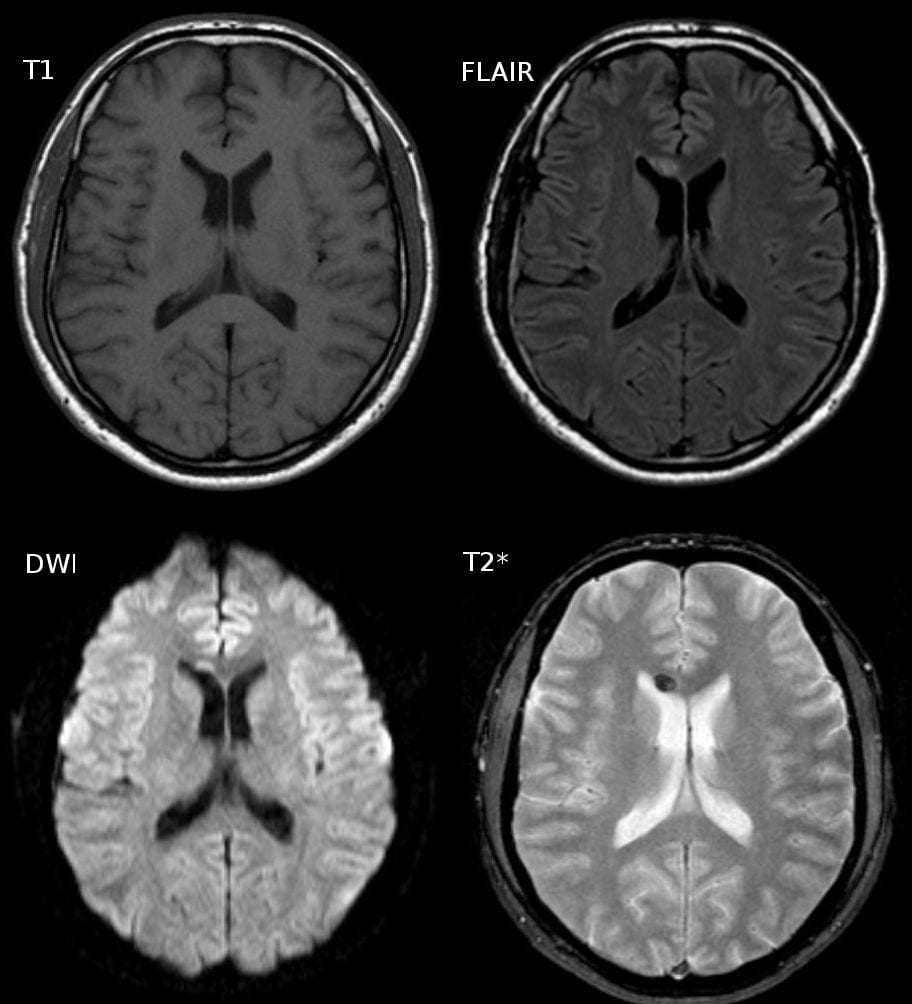
When an accident occurs, be it an auto collision or a slip and fall, one of the worst things that can happen to the persons involved is that they suffer a traumatic brain injury (TBI). Depending on the severity of the injury, there may be some patients whose quality of life may be negatively impacted afterward. The effects of the condition can be lifelong, and medical solutions may not always deliver good outcomes.If you or a loved one is suffering from a traumatic brain injury, it’s important for you to take action at once. This might mean bringing the case to court for adequate compensation while seeking the appropriate medical treatment.Read on to get some insights on how you should deal with traumatic brain injury cases in Houston, Texas.1. Have the Patient Undergo Imaging TestsBefore a personal injury claim can be filed, medical tests are necessary to serve as documentary proof of the brain injury’s severity. So once a patient has suffered the condition as the result of an accident, the only way to assess what’s the damage inside the body is to make sure that they undergo imaging tests.
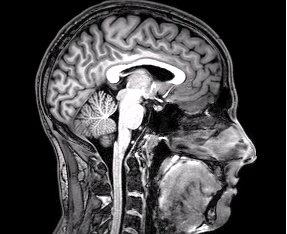 An FMRI brain scan. Image via Wikimedia Commons/user:DrOONeil. (CCA-BY-3.0).
Computerized Tomography (CT) Scan - This is usually one of the very first tests done on the patient after they’ve been brought to the emergency room. It involves using a number of different x-rays to get a detailed view of the brain from the inside.
Magnetic Resonance Imaging (MRI) - This test makes use of powerful magnets and radio waves to provide three-dimensional images of the brain.
Immediate Emergency Care - Whatever the type of brain injury a patient suffers from, immediate emergency care will always be needed. This is to ensure that a thorough assessment is made and early treatment and intervention can be given.
Medications - Some of the most common types of medications prescribed are:
Diuretics
Anti-seizure drugs
Coma-inducing drugs for severe cases
Surgery - For serious cases, emergency surgery may also be needed to minimize the potential effects of the condition and the damage to the brain. Surgery is needed to address problems such as fractures and blood clots.
There’s strong evidence that there wasn’t a preexisting injury when the accident took place.
There are strong points to disprove liability, which means that the patient didn’t have any fault in or contribution to the occurrence of the injury or accident.
There’s a clear change in the patient’s behavior and mannerism before and after the accident, which is a symptom of TBI.
The patient is currently unconscious, in a state of coma, or fighting for their life in intensive care as a direct result of the accident.
The patient can no longer work, whether temporarily or permanently, because of their injuries.

About Ricky Sorensen
Ricky Sorensen currently works as a legal researcher, while completing his Bachelor of Laws degree. He has been in the industry for three years now. Apart from his legal research work, he shares his expertise with others by writing blogs online. During his free time, he enjoys taking long walks out in nature, and fishing.