How to Minimize Risks in Legal Translations
How to Minimize Risks in Legal Translations
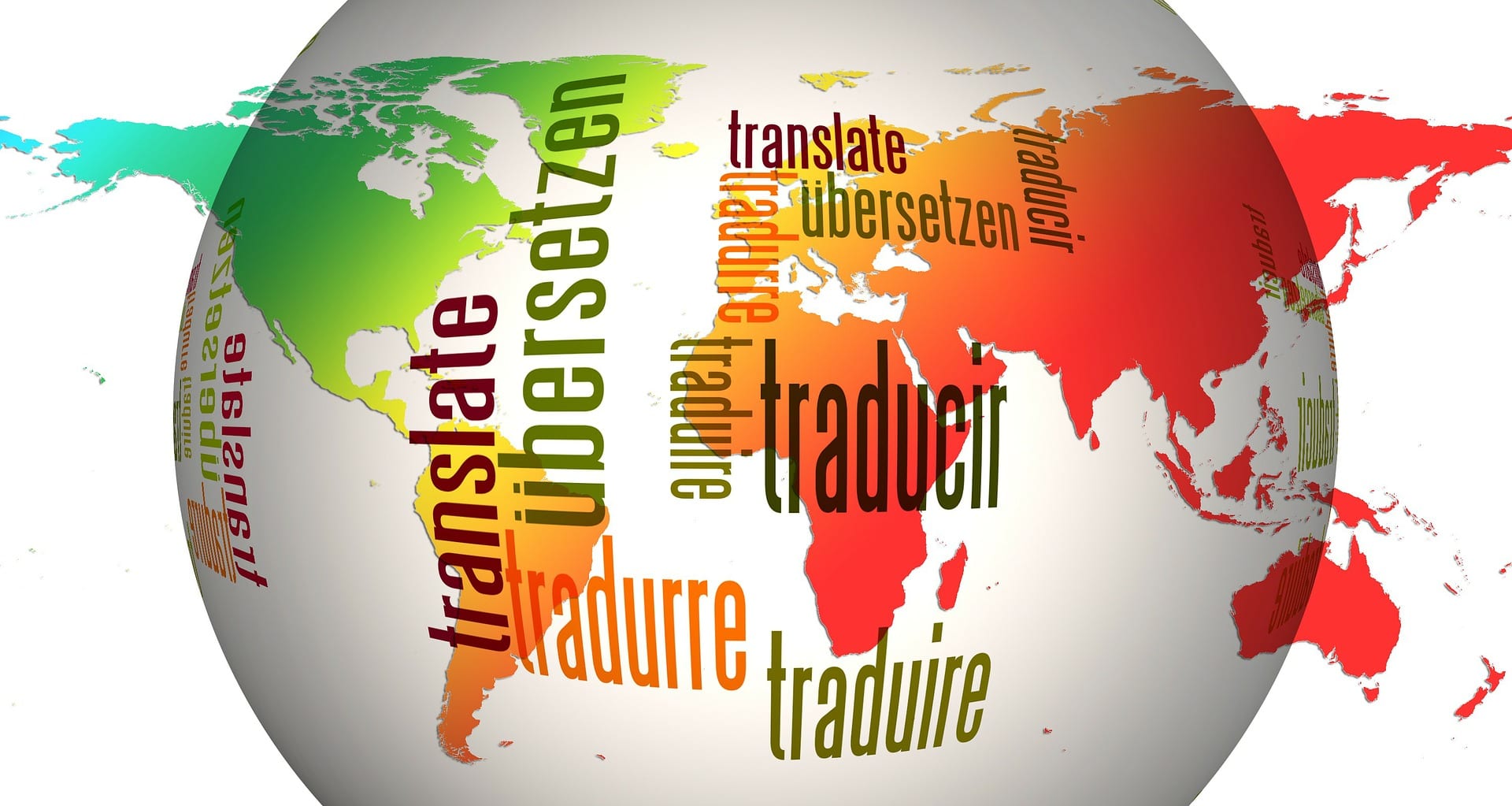
Making a mistake in legal translations can have catastrophic consequences for both the person submitting the translations and the translator. This is why it is extremely important to ensure the document is translated carefully and double-checked.When it comes to the party the translation is for, legal translation can put their reputation at risk, cause them to lose time and money, and even influence the verdict in a trial. When it comes to the translation provider, they can also suffer a loss of reputation, face legal liability, and even falsification charges.What not to doSo, what could go wrong in the translation process? Here are three potential issues with legal translations that can be easily avoided.Using machine translationMachine translation is a great tool to get a general understanding of a text or for some translation fields if paired with a revision by an experienced translator. When it comes to legal translation, however, using human translators for the whole process is the best option. Legal systems and terminology vary from country to country and accuracy is paramount in this particular field.Moreover, if you use Google translate, it is important to note that once you feed the text to it, you give Google the right to use and store it. This means the content of the document is no longer confidential, which poses a significant risk.Setting tight deadlinesLegal translations shouldn’t be rushed. As mentioned above, they entail specialized jargon, and legal systems and terminology differ depending on the country. You are more likely to get a high-quality translation if the translator has enough time to carry out the relevant research and carefully work on the text.
 Clock face; image by Age Barros, via Unsplash.com.
About Mariel Lettier
Mariel is an English-Spanish translator and content writer from Uruguay. She graduated as a Sworn Translator in 2010 and has been working in various fields since. She specializes in legal and patent translation, as well as literature and localization. She has two master's degrees, one in Literary Translation from the University of Edinburgh and the other in Localization from ISTRAD. She is currently working on her PhD in Literary Translation at Te Herenga Waka—Victoria University of Wellington. She's currently writing for RushTranslate, a translation company that offers Legal Translation Services.