
Humans Can Help the Environment
Humans Can Help the Environment
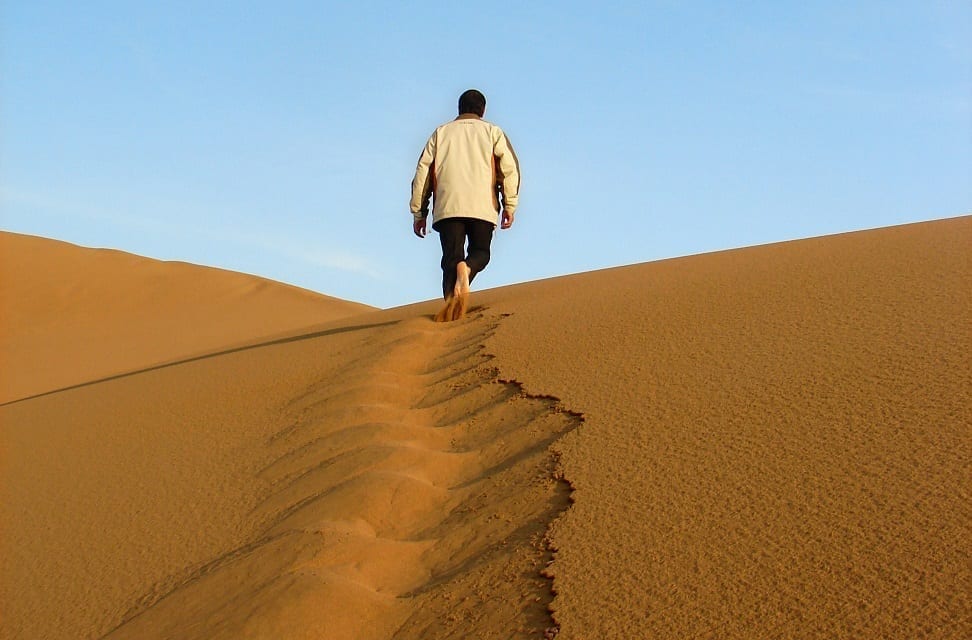
As the environment has become an increasingly important topic in public discourse over the last couple generations, the two major sides have crystallized their arguments in some less-than-helpful ways. On one side, we have the pro-corporate or “I don't want to deal with it, I'll be dead when it matters” climate deniers, who do their level best to sow doubt and confusion in the service of laziness and profit. On the other side, there are hand-wringing environmentalists who assure us that all is already lost. If people, simply by existing, exact a fatal toll on the planet and nothing we do can change that, the logical endpoint of that train of thought is that we should all just off ourselves. I don't know about you, but I'm unwilling to go there. What this conclusion ignores is that humans can help the environment.Since Earth Day is tomorrow, it's worth considering a couple old, bold examples of what humans can do right – and wrong. Surprisingly, two of the most contrary landscapes on the face of the planet may both have been created by people. What can we learn from the stark difference between the Sahara and the Amazon?New research suggests that people had a hand in drying the Sahara. Long ago, the Sahara was a lush region populated with plants and animals – and us. Ancient rock art among the sands depicts long absent animals like elephants, giraffes, and crocodiles. People thrived there too, eating 300-pound Nile perch that lived in the vast Saharan lakes. So, what happened? About 8,200 years ago, the Sahara began a long transition from paradise to parched desert. Ecosystems are complex; there may be many causes, including changes in the Earth's orbit, but an increase in pastoralism also brought with it the scrubby desert vegetation that is familiar in the region today. As more people herded more animals that ate more plants, more sunlight reflected from the lighter surface, creating warmer atmospheric conditions that affected monsoon patterns. And as people and their animals stripped the area bare, the more people had to rely on those very animals for their living. The cycle perpetuates itself.
 The Amazon rainforest is comprised of more tree species that are useful to people than one would expect for a random forest grouping, implying that these are the descendants of ancient forest gardens gone rogue. Humans can help the environment by obtaining their food in ways that revitalize the environment instead of degrading it. Photo by Ben Britten, via Flickr. CC BY 2.0
Sources:
Did Humans Create the Sahara Desert?
Amazon Rainforest Was Shaped by an Ancient Hunger for Fruits and Nuts
Ancient peoples shaped the Amazon rainforest
The Amazon Rainforest Was Profoundly Changed by Ancient Humans
Amazon rainforest grew after climate change 2,000 years ago: study
Why Solving Climate Change Will Be Like Mobilizing for War
Scientists made a detailed “roadmap” for meeting the Paris climate goals. It’s eye-opening.
Meet the 'Merchants of Doubt' Who Sow Confusion about Tobacco Smoke and Climate Change
Book Suggests That as a Result of Our Environmental Actions, We Are Contemplating Our Own Extinction

About Dawn Allen
Dawn Allen is a freelance writer and editor who is passionate about sustainability, political economy, gardening, traditional craftwork, and simple living. She and her husband are currently renovating a rural homestead in southeastern Michigan.