Inaccuracies in AI Diagnosing Can Have Harmful Results
Inaccuracies in AI Diagnosing Can Have Harmful Results
The utilization of artificial intelligence (AI) tools by doctors for diagnosing patients can lead to inaccuracies due to the inherent biases embedded in these tools. Despite efforts to promote transparency in explaining how AI makes predictions, a recent study published in JAMA suggests that this transparency does not effectively address the issue of potential bias in AI-assisted diagnoses.The significance of this issue is heightened by the increasing role of AI in diagnosis and treatment, which necessitates the identification and rectification of models developed with flawed assumptions. For instance, if an AI model is trained on data that consistently underdiagnoses heart disease in female patients, it may learn to perpetuate this bias, resulting in underdiagnoses in females, as highlighted by the researchers. The concern is to ensure that AI models are unbiased and do not impact medical decision-making.In the study, approximately 450 healthcare professionals, including doctors, nurses, and physician assistants, were presented with various cases of patients admitted to the hospital with acute respiratory failure. The clinicians were provided with information about the patient's symptoms, physical examinations, laboratory results, and chest radiographs. Their task was to assess the likelihood of pneumonia, heart failure, or chronic obstructive pulmonary disease. To establish a baseline, all participants initially evaluated two cases without any input from an AI model.
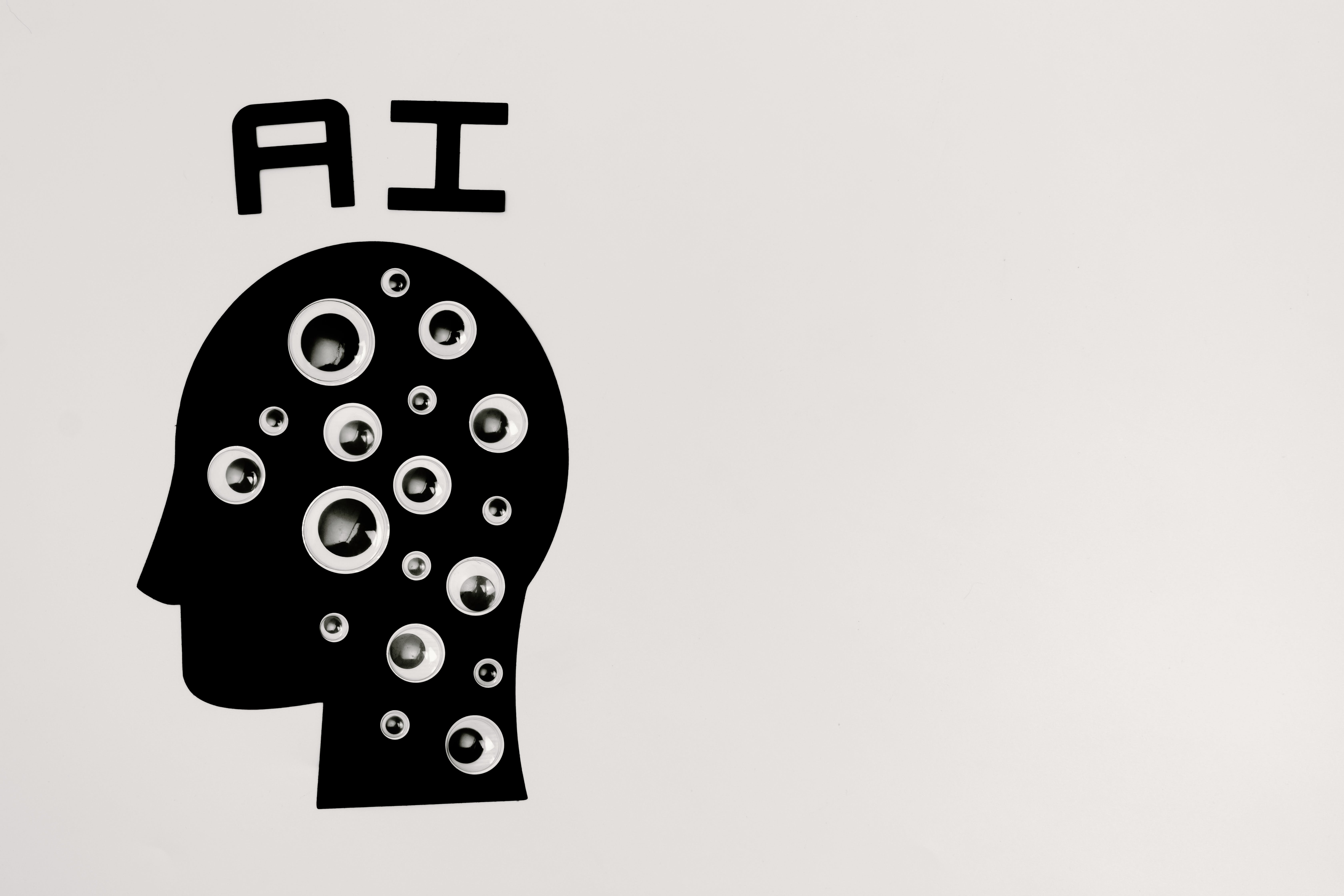 Photo by Tara Winstead from Pexels
Sources:
AI guardrails can fall short in health care: studyMeasuring the Impact of AI in the Diagnosis of Hospitalized PatientsBiden to HHS: Create an AI task force to keep health care 'safe, secure and trustworthy'
About Sara E. Teller
Sara is a credited freelance writer, editor, contributor, and essayist, as well as a novelist and poet with nearly twenty years of experience. A seasoned publishing professional, she's worked for newspapers, magazines and book publishers in content digitization, editorial, acquisitions and intellectual property. Sara has been an invited speaker at a Careers in Publishing & Authorship event at Michigan State University and a Reading and Writing Instructor at Sylvan Learning Center. She has an MBA degree with a concentration in Marketing and an MA in Clinical Mental Health Counseling, graduating with a 4.2/4.0 GPA. She is also a member of Chi Sigma Iota and a 2020 recipient of the Donald D. Davis scholarship recognizing social responsibility. Sara is certified in children's book writing, HTML coding and social media marketing. Her fifth book, PTSD: Healing from the Inside Out, was released in September 2019 and is available on Amazon. You can find her others books there, too, including Narcissistic Abuse: A Survival Guide, released in December 2017.