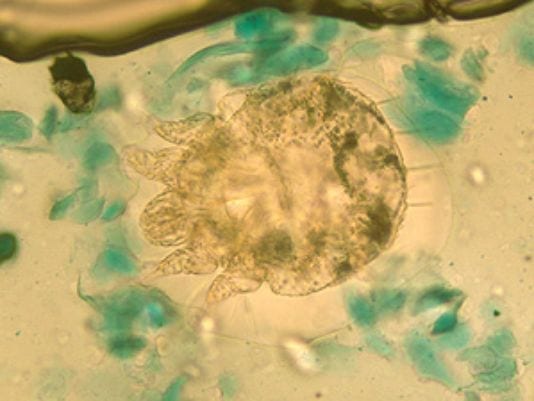
After a scabies infestation at the Metro-Davidson County Detention Facility, operated by the Nashville based private prison, CoreCivic, its female inmates were forced to keep quiet. They were warned that they would immediately be transferred to solitary confinement if they mentioned anything about the rash or feeling itchy. They attempted to inform family members over the phone and asked their family to research the infestation on their behalf, but their calls were monitored and the staff made good on their word. The inmates call privileges revoked. They were coerced into silence and forced to live with the parasite.A 21-page lawsuit was filed by attorney Gary Blackburn, finally, on their behalf, which details allegations of the threats if inmates didn't stay quiet, retaliation and denial of medical treatment. It is seeking class action status for all female
inmates who suffered from the outbreak and were forced to remain quiet or who will suffer. The parasite infected all inmates at the 1,300-bed facility as well as many courthouse employees. At least, CoreCivic denied treatment for the inmates as word began to spread and downplayed the severity of the situation when asked about it by those in positions of authority, including judges and lawmakers.
 Image Courtesy of Bell & Associates Construction
By the time word got out, however, not only were hundreds of inmates receiving treatment, but the parasite had infested everyone in the building and had spread to attorneys and staff at Nashville's courthouse. Concern over the spread of the mite delayed some of the court’s hearings, including a murder trial. “They knew about a rash for a long time and downplayed it, minimized it and dismissed people who were suffering as out of hand complainers,” said Public Defender Dawn Deaner. Pre-trial detainee, Jennifer King, who first noticed she was infected back in January, was denied treatment "pursuant to (CoreCivic's) official policy, custom, and practice of ignoring requests for medical attention," according to the
lawsuit. By the time King was transferred to a different housing unit approximately four months later, she was "covered from head to toe with the visible rash.” Metro Health Department officials didn't learn of the parasite until halfway through the month of May. Wendy Snead, an inmate, called a family member and begged them to inform department. Snead was taken May 19 to a skin specialist in Franklin who diagnosed scabies and prescribed treatment. However, when she returned to her dwelling, she was not allowed to continue treating the rash. "(Snead was) then placed in segregation without food, a mattress or any of her personal belongings for many hours. She was not allowed to call her family," according to the lawsuit. "(CoreCivic's) retaliation towards Plaintiff was intended to intimidate (Snead) and other inmates from filing grievances, seeking outside medical treatment, or otherwise reporting the scabies outbreak to individuals outside of (CoreCivic's) facility." The inmates want CoreCivic to immediately provide treatment to anyone at the facility suffering from scabies. They are also seeking monetary damages for pain and suffering.
Sources:
Lawsuit: Nashville inmates threatened with solitary confinement if scabies outbreak mentioned
New lawsuit: Nashville jail ignored scabies outbreak as disabled inmates suffered