Intermittent Fasting Doesn't Have Long-Term Effects on Weight Loss
Intermittent Fasting Doesn't Have Long-Term Effects on Weight Loss
A new study published on in mid-January in the Journal of the American Heart Association revealed that the common “fad” diet practice of intermittent fasting is in fact not effective for weight loss over time. While immediate results may be noticeable, they’re not sustainable. The research team at John Hopkins University found that when trying to lose weight, the amount of food a person eats is much more important than the time of each meal. The study consisted of 547 individuals, all of whom were asked to record both the size of their meals and the timing of when they ate on a mobile app daily over the course of six months. The scientists then recorded the participant’s weight over the course of roughly six years, five years before they began logging their meals, and roughly six months after, using electronic health records.Within the study, the participant’s meals were divided into three distinct size categories: meals with fewer than 500 calories, meals that ranged from 500 to 1,000 calories, and meals consisting of over 1,000 calories. The results of the study demonstrated that those who ate the most large and medium meals gained weight over six years, and those who ate smaller, fewer meals lost weight.
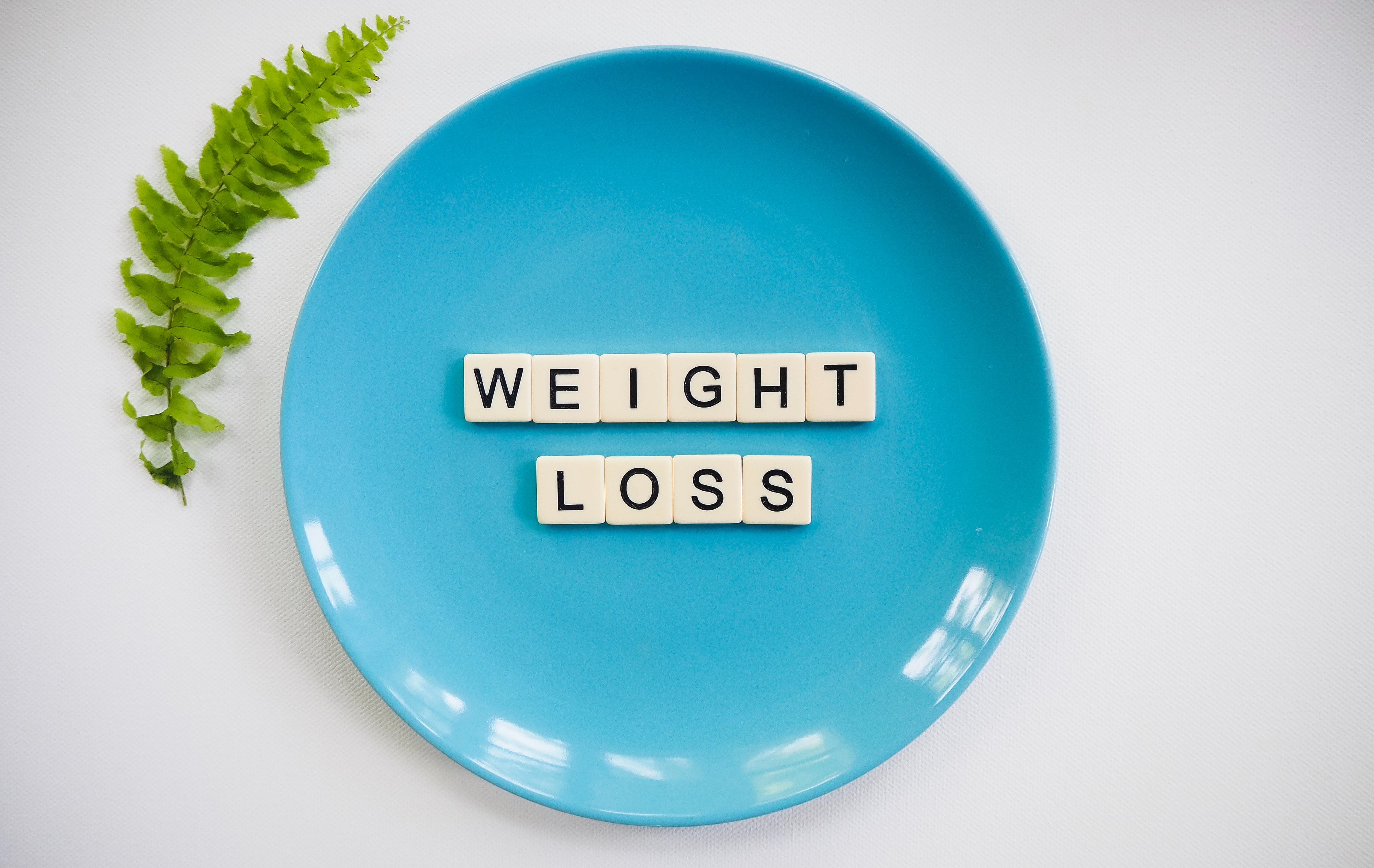
 Photo by Andrea Piacquadio from Pexels
Sources:
Intermittent fasting wasn't associated with weight loss over 6 years, a new study foundComparison of weight-loss diets with different compositions of fat, protein, and carbohydrates
About Sara E. Teller
Sara is a credited freelance writer, editor, contributor, and essayist, as well as a novelist and poet with nearly twenty years of experience. A seasoned publishing professional, she's worked for newspapers, magazines and book publishers in content digitization, editorial, acquisitions and intellectual property. Sara has been an invited speaker at a Careers in Publishing & Authorship event at Michigan State University and a Reading and Writing Instructor at Sylvan Learning Center. She has an MBA degree with a concentration in Marketing and an MA in Clinical Mental Health Counseling, graduating with a 4.2/4.0 GPA. She is also a member of Chi Sigma Iota and a 2020 recipient of the Donald D. Davis scholarship recognizing social responsibility. Sara is certified in children's book writing, HTML coding and social media marketing. Her fifth book, PTSD: Healing from the Inside Out, was released in September 2019 and is available on Amazon. You can find her others books there, too, including Narcissistic Abuse: A Survival Guide, released in December 2017.