Is CBD Oil Legal in the UK?

Is CBD Oil Legal in the UK?
CBD has seen such a rapid rise to popularity in the UK. In the last few years, over 6 million people in the UK (11% of the population) have tried CBD oil and the market is now larger than both the Vitamin C and Vitamin D industries combined – coming in at a value of £300 millionSo why does such a mainstream and popular product still have a stigma attached to it? You have probably experienced this yourself when bringing it into conversation with friends or colleagues – “isn’t it cannabis?” “is it legal?” are frequently the responses we receive. Yes, there is a close association to cannabis, but a distinct difference separates them on either side of the law.So, let’s set the story straight and squash these beliefs once and for all by outlining the UK’s position on CBD (cannabidiol).Is CBD Oil Legal in the UK?Yes! There are numerous large-scale businesses in the UK that source and manufacture CBD products. These businesses, who employ 1,000s of people, would not be allowed to operate if CBD was an illegal substance. That said, there is one major caveat that determines if a CBD product is legal or not – its THC levels. Along with CBD, there are hundreds of cannabinoids found in the hemp plant. One of these is THC (tetrahydrocannabinol) and it is this compound that gives rise to the psychoactive effects of cannabis.In the production of CBD, an industrial strain hemp seed must be used to grow the hemp used to make the product. Industrial strain hemp contains very little THC in comparison to marijuana plants. Once the crop is cultivated, it goes through an extraction process to isolate and concentrate the CBD. During this time, THC compounds are further separated and removed. To be legal in the UK, CBD products must have less than 1mg of THC present in its finished product. Respected and well-established companies will ensure their products are tested by third-party laboratories to verify the compounds present. The reports are used as evidence for the strength of CBD and to show the legal limits of THC are met.Why are there CBD issues?Unfortunately, whilst the law for CBD is clear, there is currently very little regulatory framework in place to guarantee all manufacturers are complying. For example, not all CBD companies have their products third party lab tested and/or don’t make these reports readily available to consumers. A recent study by the centre for medical cannabis into the scrupulous acts of some companies found that 38% of the CBD oils reviewed didn’t contain the advertised levels of CBD and, in some cases, no CBD was present at all!If the CBD levels can’t be verified, it is likely the THC levels aren’t accurate either. If the THC levels for a product rises above 1mg per finished product, the oil goes from being a legal food supplement to an illegal drug. For this reason, many consumers and professionals interested in the CBD market, are still wary, and opt to stay away.What should I look out for?Don’t let this dissuade you from buying and using CBD. As a consumer, there are things you can do to purchase your CBD from the ‘right’ places.You can remove all worry about the legality of your chosen CBD products by purchasing them from a reputable company. Always look for third party lab reports before buying. Any CBD company worth its salt will make these readily available through their website. If they don’t, you have every right to request them. If they aren’t forthcoming with the reports, we advise you to stay away.Secondly, be sure to research third-party consumer reviews on websites like Trustpilot, Facebook & Google. These types of reviews will give you first hand insights into the product's quality and effectiveness. A good example is CBD shopy, a trusted UK CBD retailer who is backed by over 500 reviews on Trustpilot and displays third-party lab reports on all products listed on their website.
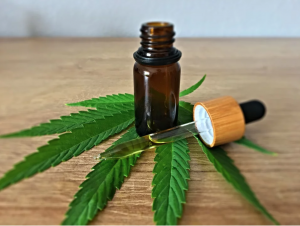 Marijuana leaf on wooden surface, with a brown bottle and eyedropper on the leaf; image by CBD-Infos-Com, via Pixabay.com.
The company must not make explicit medical claims, advise if the product can treat any specific condition or publish articles that imply the product has been used to treat illnesses
The company must not use imagery, graphs or product names that imply the products are medicines or make comparisons with licensed medicines.
The company must not publish Doctor recommendations, or testimonials from customers that imply medicinal benefits.

About Layton Brooks
Experienced Co-Founder with a demonstrated history of working in the financial services industry. Skilled in Marketing Management, Sales, Market Research, Lead Generation, and Direct Marketing. Strong entrepreneurship professional with a BSc focused in Psychology from Cardiff University / Prifysgol Caerdydd.