Isotretinoin is 'Not Independently Linked' to Psychiatric Disorders
Isotretinoin is 'Not Independently Linked' to Psychiatric Disorders
A new, broad retrospective study published in the British Journal of Dermatology showed isotretinoin (aka, Zenatane, Absorica or Myorisan), a drug used to treat acne outbreaks, was not associated with an increase in incidents of psychiatric disorders compared with oral antibiotics. Isotretinoin, a retinoid, is commonly prescribed to treat cystic acne which has not responded to other treatment options. It decreases the skin’s overall production of facial oils.According to WebMD, “isotretinoin is usually taken twice daily for 15 to 20 weeks, or as directed by [a] doctor. Directions for most generic forms of isotretinoin state that it should be taken with meals. However, the FDA has indicated that Absorica may be taken with or without food.”Neuropsychiatric effects associated with isotretinoin have been reported in the past. However, “the evidence base…is mixed and inconclusive, and many studies are small,” said Seena Fazel, MBChB, MD, of the department of psychiatry, Oxford University, Oxford. Fazel added, “The study results suggest that isotretinoin is conferring protection against adverse neuropsychiatric outcomes, particularly when compared with using oral antibiotics to treat acne.”
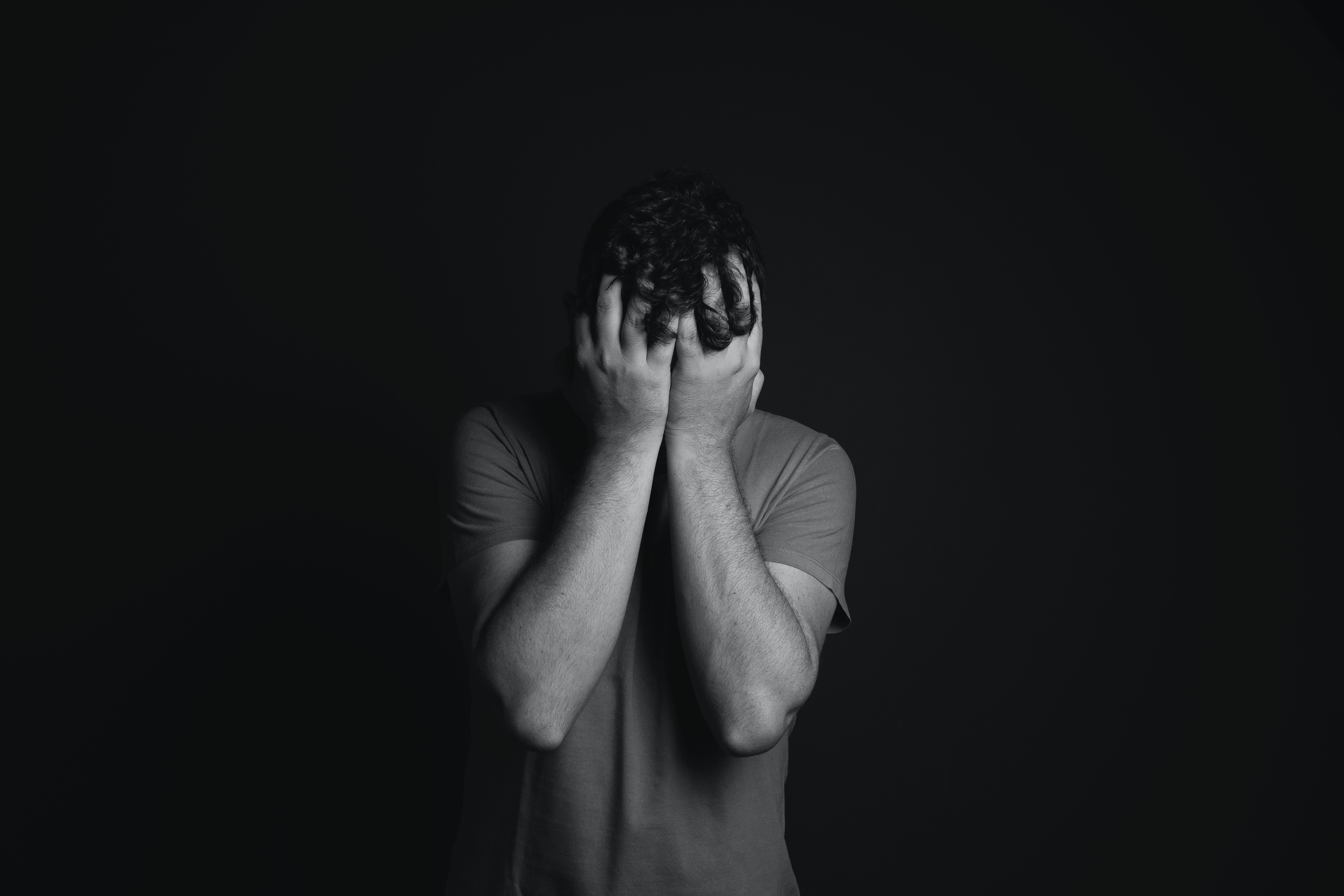
 Photo by Miguel á Padriñán from Pexels
Sources:
Study Provides New Analysis of Isotretinoin and Risk for Adverse Neuropsychiatric OutcomesIsotretinoin Capsule - Uses, Side Effects, and MoreIsotretinoin and adverse neuropsychiatric outcomes: retrospective cohort study using routine data
About Sara E. Teller
Sara is a credited freelance writer, editor, contributor, and essayist, as well as a novelist and poet with nearly twenty years of experience. A seasoned publishing professional, she's worked for newspapers, magazines and book publishers in content digitization, editorial, acquisitions and intellectual property. Sara has been an invited speaker at a Careers in Publishing & Authorship event at Michigan State University and a Reading and Writing Instructor at Sylvan Learning Center. She has an MBA degree with a concentration in Marketing and an MA in Clinical Mental Health Counseling, graduating with a 4.2/4.0 GPA. She is also a member of Chi Sigma Iota and a 2020 recipient of the Donald D. Davis scholarship recognizing social responsibility. Sara is certified in children's book writing, HTML coding and social media marketing. Her fifth book, PTSD: Healing from the Inside Out, was released in September 2019 and is available on Amazon. You can find her others books there, too, including Narcissistic Abuse: A Survival Guide, released in December 2017.