Ivermectin is Ineffective Against COVID Progression
Ivermectin is Ineffective Against COVID Progression
Ivermectin, when given to high-risk patients with mild-to-moderate COVID-19 during the first week, did not prevent the disease progression, according to results from a randomized clinical trial conducted at nearly two dozen hospitals and a COVID-19 quarantine center in Malaysia between May 31 and October 25, 2021.The research team concluded that “the findings do not support the use of ivermectin for patients with COVID-19. The study was published in JAMA Internal Medicine and the lead author was by Steven Chee Loon Lim, MRCP, Department of Medicine, Raja Permaisuri Bainun Hospital, Perak, Malaysia.Among almost 500 patients in the analysis, “52 of 241 patients (21.6%) in the ivermectin group and 43 of 249 patients (17.3%) in the control group progressed to severe disease (relative risk [RR], 1.25; 95% confidence interval [CI], 0.87 - 1.80; P = .25). All major ethnic groups in Malaysia were well represented,” the researchers write in their paper.
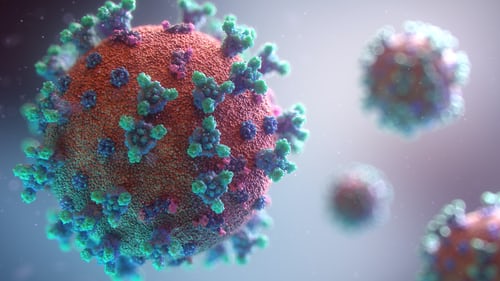 Photo by Fusion Medical Animation from UnSplash
Sources:
Ivermectin Does Not Stop Progression to Severe COVID: Randomized TrialEfficacy of Ivermectin Treatment on Disease Progression Among Adults With Mild to Moderate COVID-19 and Comorbidities
About Sara E. Teller
Sara is a credited freelance writer, editor, contributor, and essayist, as well as a novelist and poet with nearly twenty years of experience. A seasoned publishing professional, she's worked for newspapers, magazines and book publishers in content digitization, editorial, acquisitions and intellectual property. Sara has been an invited speaker at a Careers in Publishing & Authorship event at Michigan State University and a Reading and Writing Instructor at Sylvan Learning Center. She has an MBA degree with a concentration in Marketing and an MA in Clinical Mental Health Counseling, graduating with a 4.2/4.0 GPA. She is also a member of Chi Sigma Iota and a 2020 recipient of the Donald D. Davis scholarship recognizing social responsibility. Sara is certified in children's book writing, HTML coding and social media marketing. Her fifth book, PTSD: Healing from the Inside Out, was released in September 2019 and is available on Amazon. You can find her others books there, too, including Narcissistic Abuse: A Survival Guide, released in December 2017.