
Categories | News & Politics Article

Journal Study Shows Genetics Partially to Blame for Depression
December 16th, 2019 News & Politics 3 minute read
Article Image

Journal Study Shows Genetics Partially to Blame for Depression

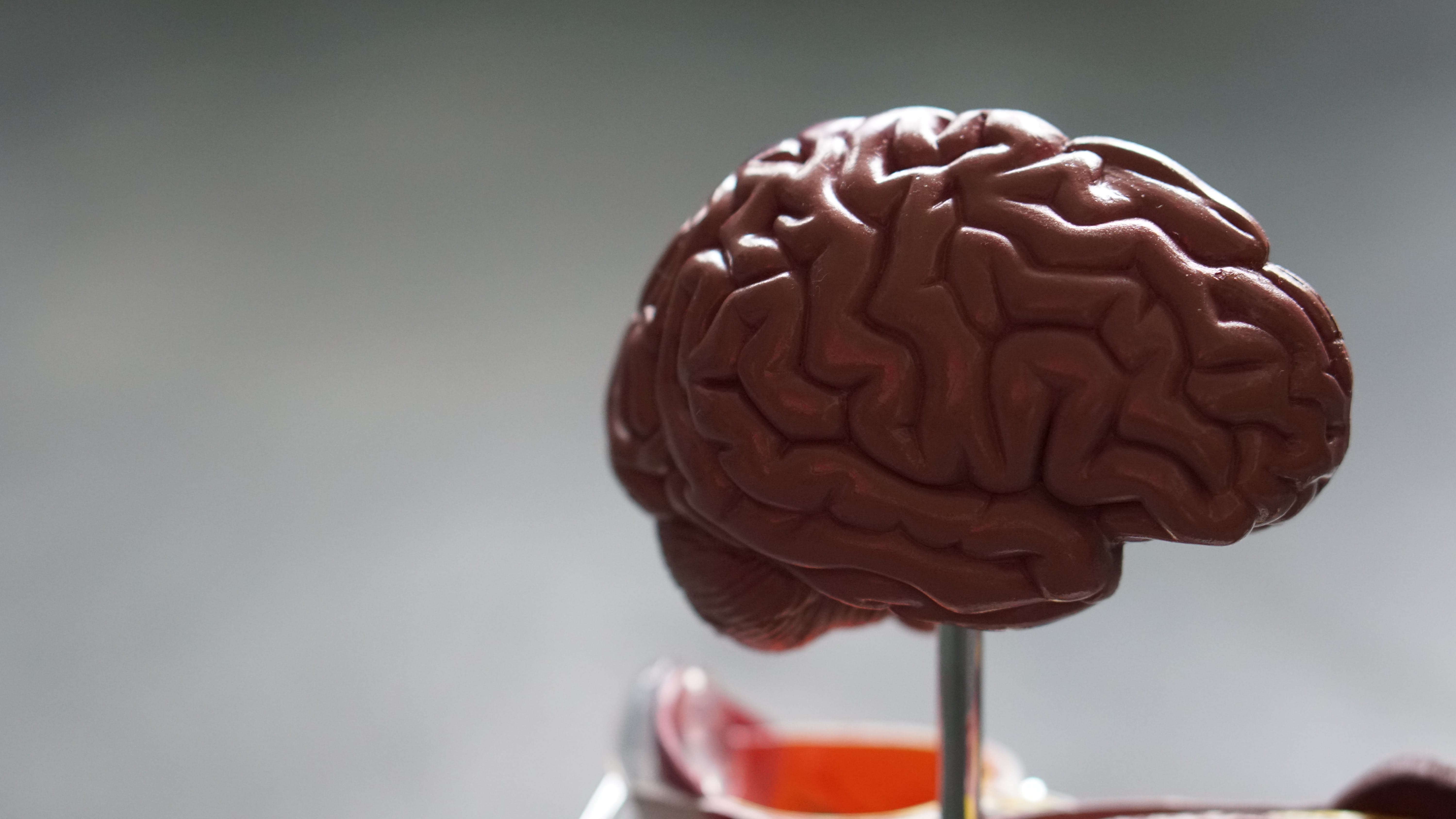
“The brains of kids who have a high risk of depression because they have parents with depression are structurally different from other kids’ brains,” according to a new journal study by Columbia University.  Having a parent with depression is one of the biggest known risk factors in adolescents also being diagnosed.  According to researchers, “teens whose parents have depression are two to three times more likely to develop depression than other teens.”University researchers took a look at brain images from more 7,000 children and found approximately “one-third of these children were at high risk because they had a parent with depression.”  What’s more, in those cases, the right putamen, which is linked to motivation and pleasure, was smaller than in children of parents without a history of depression.  The study was published in the Journal of the American Academy of Child & Adolescent Psychiatry.
Journal Study Shows Genetics Partially to Blame for DepressionPhoto by Robina Weermeijer on Unsplash

Randy P. Auerbach, PhD, associate professor of medical psychology at Columbia University Vagelos College of Physicians and Surgeons and senior author of the study, notes, “These findings highlight a potential risk factor that may lead to the development of depressive disorders during a peak period of onset.   However, in our prior research, smaller putamen volumes also has been linked to anhedonia – a reduced ability to experience pleasure – which is implicated in depression, substance use, psychosis, and suicidal behaviors.  Thus, it may be that smaller putamen volume is a transdiagnostic risk factor that may confer vulnerability to broad-based mental disorders” and substance use disorders.A related study recently published in Addiction found “individuals with depression were more than twice as likely to use cannabis than those without depression.”  Renee D. Goodwin, PhD, of Columbia University Mailman School of Public Health, said, “Screening for cannabis use among people seeking treatment for depression, especially among young adults among whom nearly 40% reported past-month cannabis use, may be increasingly important as the risks of cannabis use for persons with depression are not known.  If depression is treated with either medicine or therapy, cannabis use is generally likely not to be indicated or helpful toward recovery.  Medicinal cannabis is not approved to treat depression.”Auerbach said, “Understanding differences in the brains of children with familial risk factors for depression may help to improve early identification of those at greatest risk for developing depression themselves, and lead to improved diagnosis and treatment. As children will be followed for a 10-year period during one of the greatest periods of risk, we have a unique opportunity to determine whether reduced putamen volumes are associated with depression specifically or mental disorders more generally.”Columbia’s journal study lead David Pagliaccio, an assistant professor of clinical neurobiology, said, “Understanding differences in the brains of kids with familial risks may help identify those with highest odds for developing depression and could lead to improved treatment.”  He added, “As children will be followed for a 10-year period during one of the greatest periods of risk, we have a unique opportunity to determine whether reduced putamen volumes are associated with depression specifically or mental disorders more generally.”

Sources:

Differences Found in Brains of Kids Born to Depressed ParentsBrain differences detected in children with depressed parentsPeople with depression twice as likely to use cannabis

Sara E. Teller

About Sara E. Teller

Sara is a credited freelance writer, editor, contributor, and essayist, as well as a novelist and poet with nearly twenty years of experience. A seasoned publishing professional, she's worked for newspapers, magazines and book publishers in content digitization, editorial, acquisitions and intellectual property. Sara has been an invited speaker at a Careers in Publishing & Authorship event at Michigan State University and a Reading and Writing Instructor at Sylvan Learning Center. She has an MBA degree with a concentration in Marketing and an MA in Clinical Mental Health Counseling, graduating with a 4.2/4.0 GPA. She is also a member of Chi Sigma Iota and a 2020 recipient of the Donald D. Davis scholarship recognizing social responsibility. Sara is certified in children's book writing, HTML coding and social media marketing. Her fifth book, PTSD: Healing from the Inside Out, was released in September 2019 and is available on Amazon. You can find her others books there, too, including Narcissistic Abuse: A Survival Guide, released in December 2017.

Related Articles